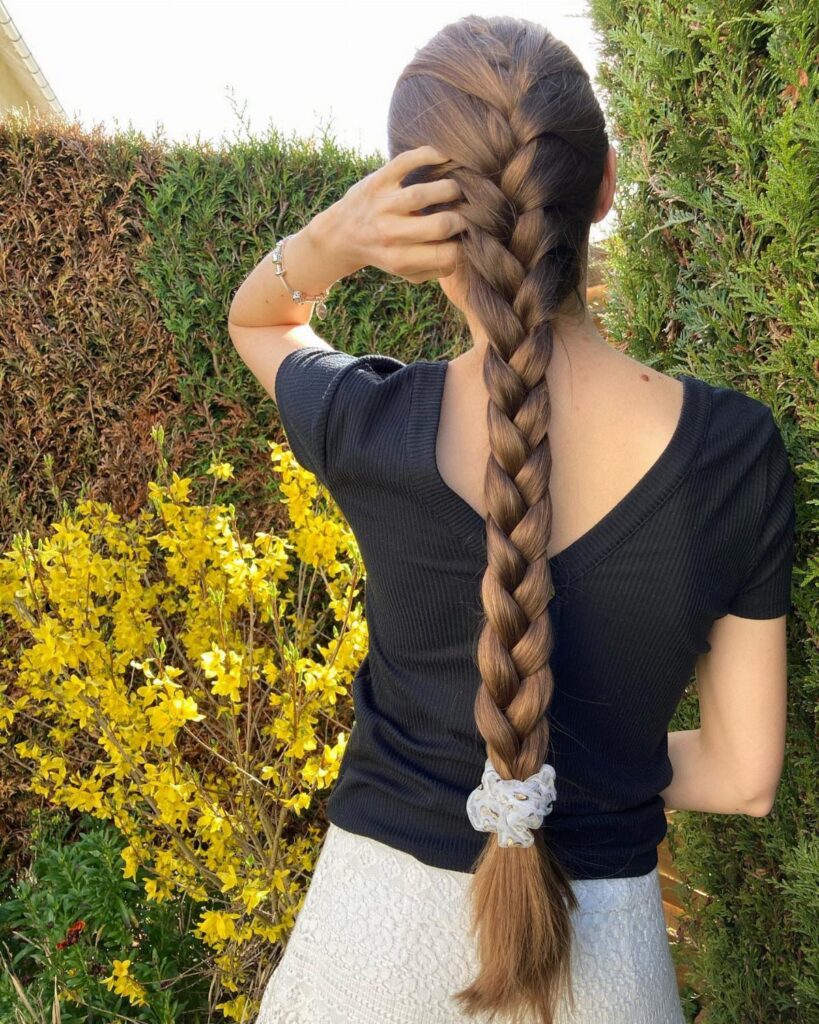
Your hair’s texture and thickness decide which of these styles will work, more than any photo does: fine hair can look thin at the ends when it’s very long, while curls, coils and thick strands carry a puff or Bantu knots easily.
The list runs from pin straight hair that needs a heat protectant, smoothing serum and silk pillowcase to keep its line, to styles like beachy waves where mistakes simply look like part of the look.
Pick by how much time your mornings give you, since 5 minutes goes furthest with your natural texture.
1. Half-Up, Half-Down
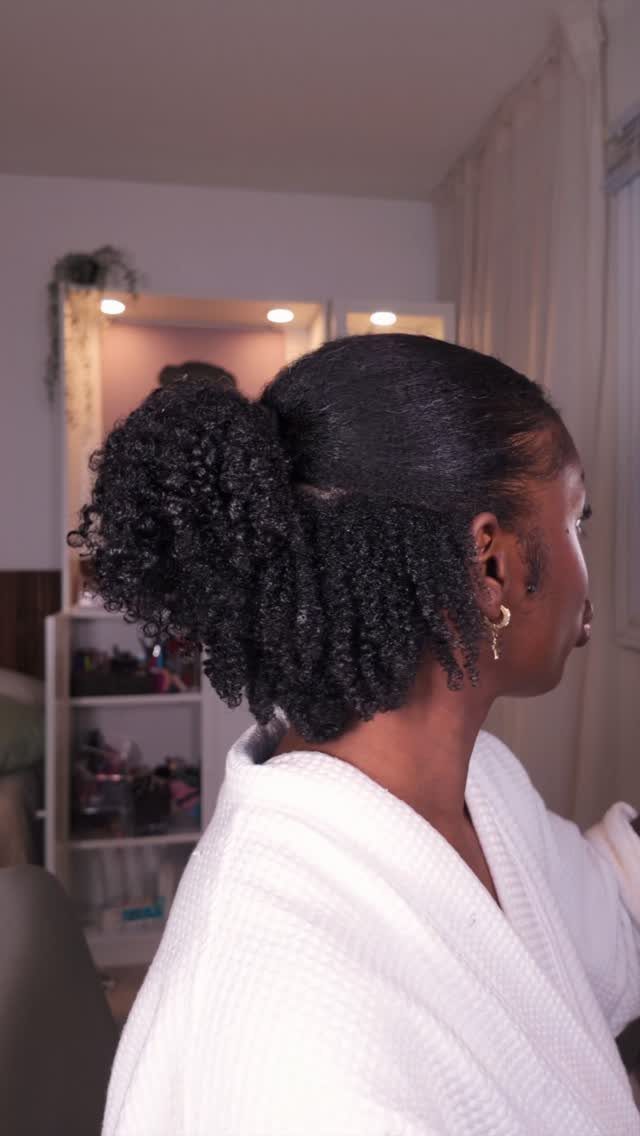
A half-up, half-down style keeps the length loose while pulling the top section out of your face. On curly hair like this, a high ponytail on the upper section leaves the curls underneath free to show their natural shape.
Fluff the tail with your fingers instead of a brush, which would break up the curl pattern.
I like this one for days between wash days, when you want it to look intentional without much effort.
2. High Puff
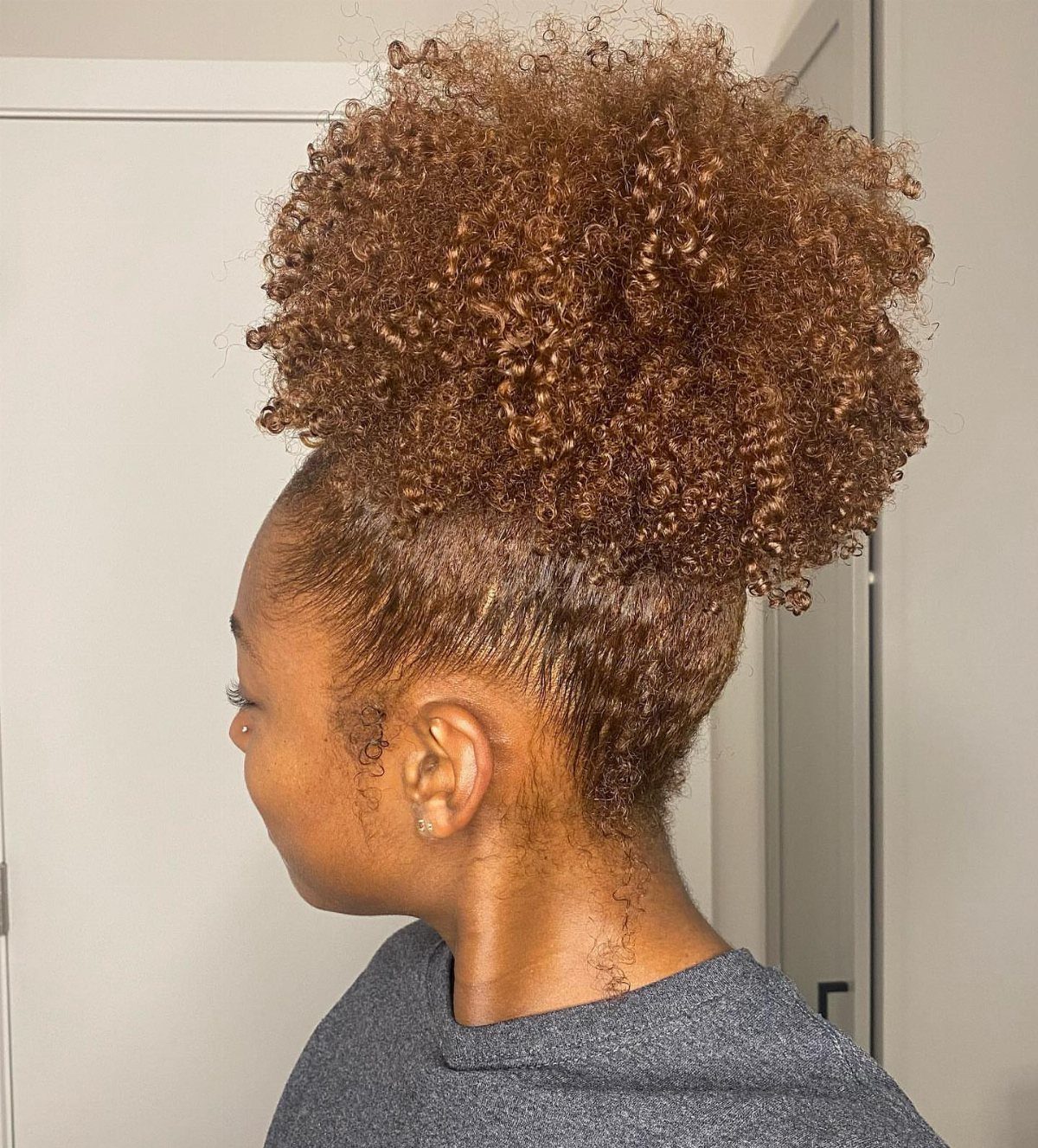
Gathered at the crown, a high puff turns curly hair into a shape of its own, with all the volume lifted up and away from your neck.
It suits long textured hair because the length stays in the puff instead of weighing on your shoulders.
Place it right at the top of your head, not partway back, so it reads as a puff and not a ponytail. A soft scrunchie or a stretchy band holds it without crushing the curls.
Pair it with a simple tee and let the hair be the statement.
3. Classic Curls
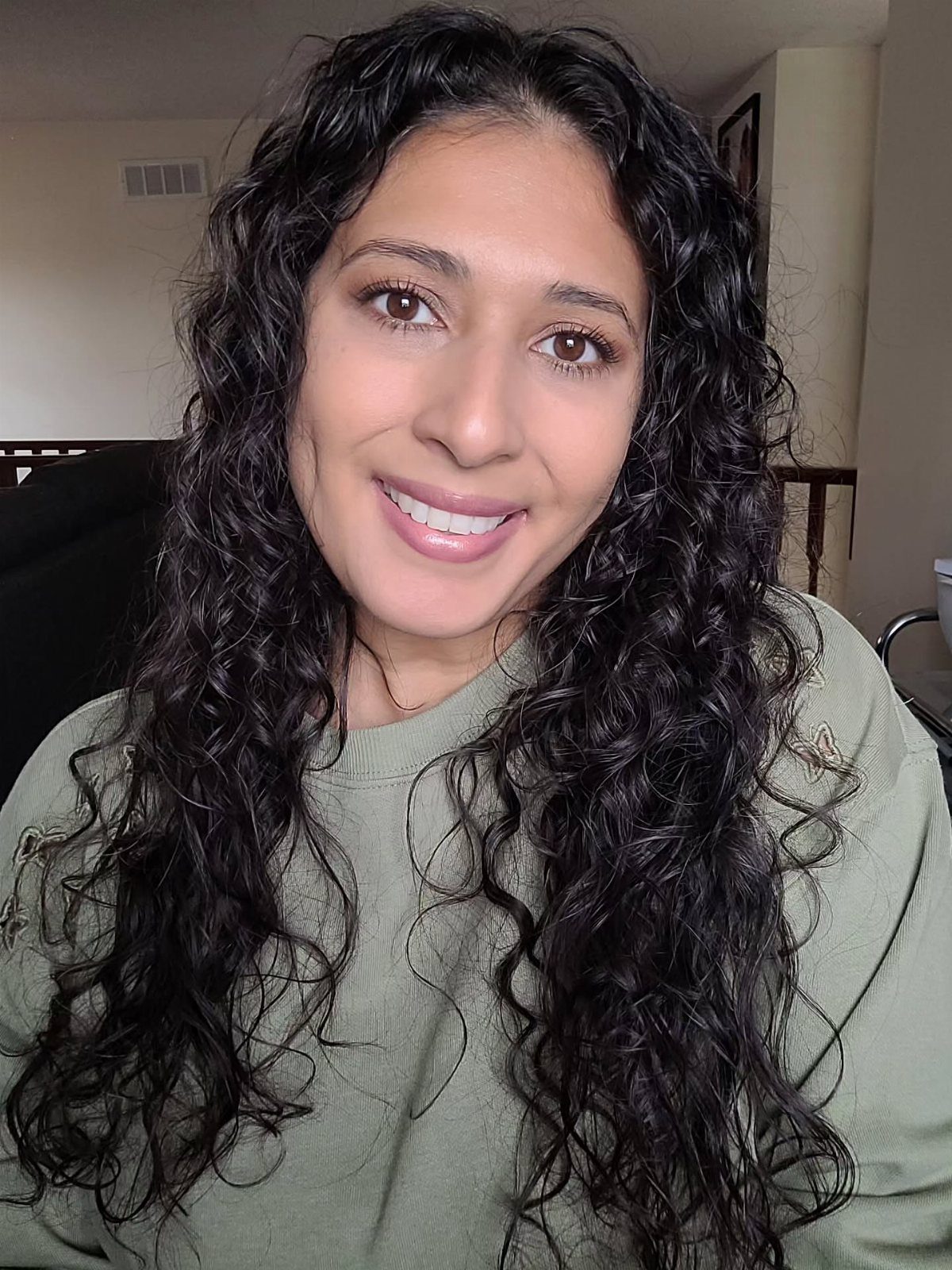
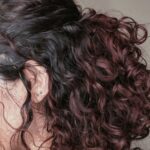
Classic curls are the style I reach for when I want long hair to look polished without looking stiff. The soft, defined ringlets land around the face and add shape right where you want it.
Start with clean, damp hair for the best definition, and resist brushing once the curls dry.
If your curls are natural, a gentle finger-fluff at the roots adds lift. If they aren’t, a curling iron can build the same look, though it takes more time.
Dark hair makes the curl pattern easy to see, so every ringlet reads clearly.
4. Beachy Waves
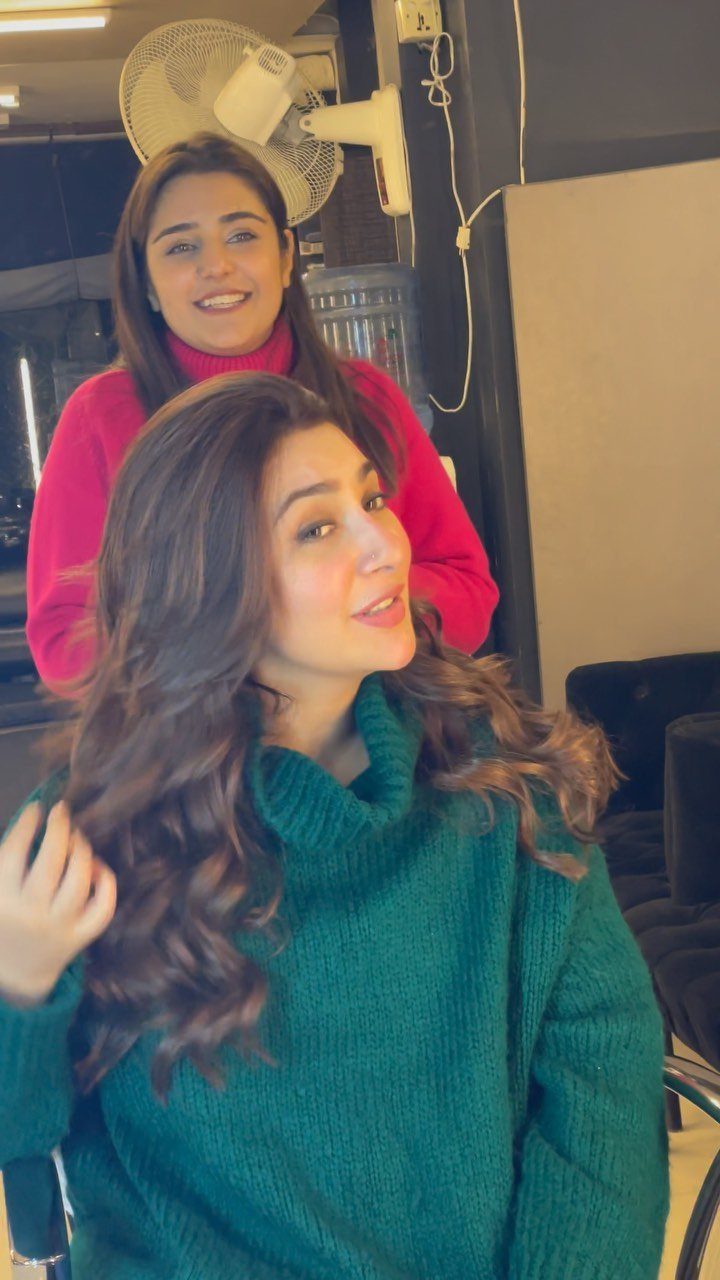
Loose, lived-in texture is what makes beachy waves work: the bends are uneven, and that is the whole look. It is among the easiest styles to wear with long hair because mistakes simply look like part of the style.
Keep the waves relaxed by leaving the ends slightly undone, and avoid brushing them out too much afterward. Scrunching with your hands gives a softer result than combing.
A turtleneck or other high neckline suits this look well, since the waves fall over the collar and show off their movement.
5. Face-Framing Braids
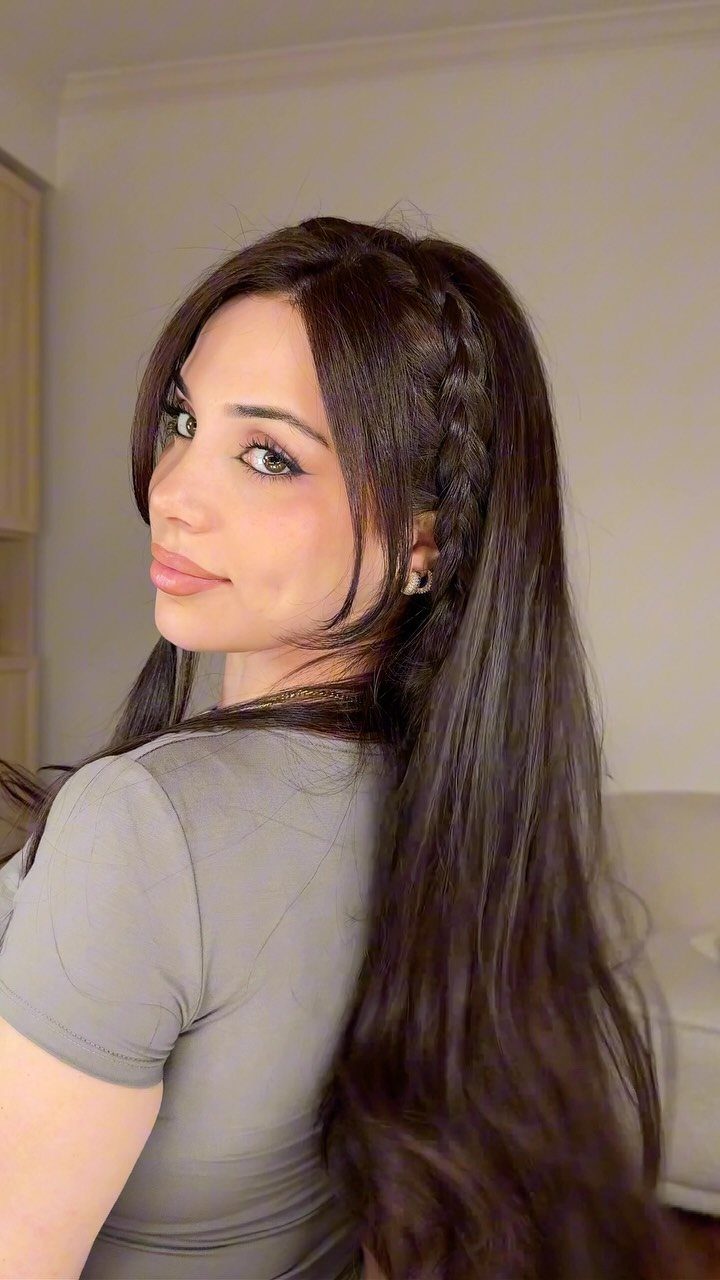
A single thin braid at the side is a small detail with a big effect.
It pulls a few strands off the face while the rest of the hair stays in loose waves, which gives the whole style a romantic feel.
Braid close to the front hairline, then secure the end with a clear elastic. Gently tug at the loops to soften it.
I prefer one braid over several because it keeps the hair looking natural, not styled. It won’t hold back much hair, so it works for tidying the front, not for keeping all your hair out of the way.
6. Loose Long Hairstyles
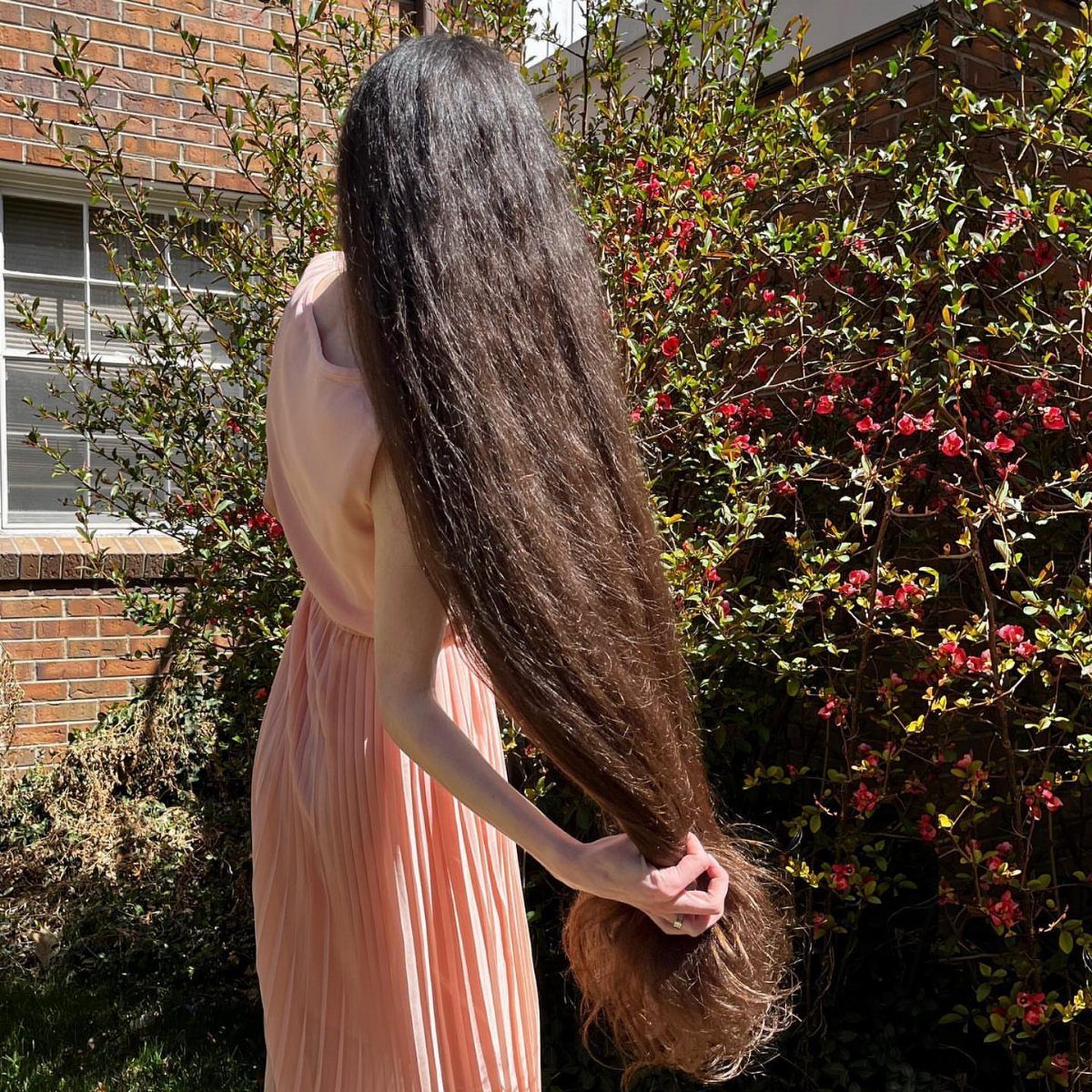
Wearing very long hair completely loose is the simplest option, and with a length like this the hair itself becomes the accessory. A flowy dress, especially a pleated one, gives loose length room to move.
Skip heavy products so the hair keeps its swing. A light brush-through before you head out is usually enough.
The cost is upkeep: hair this long tangles easily, especially outdoors, so I would carry a wide-tooth comb. If wind is a problem, switch to a half-up style.
7. Pin Straight Hair
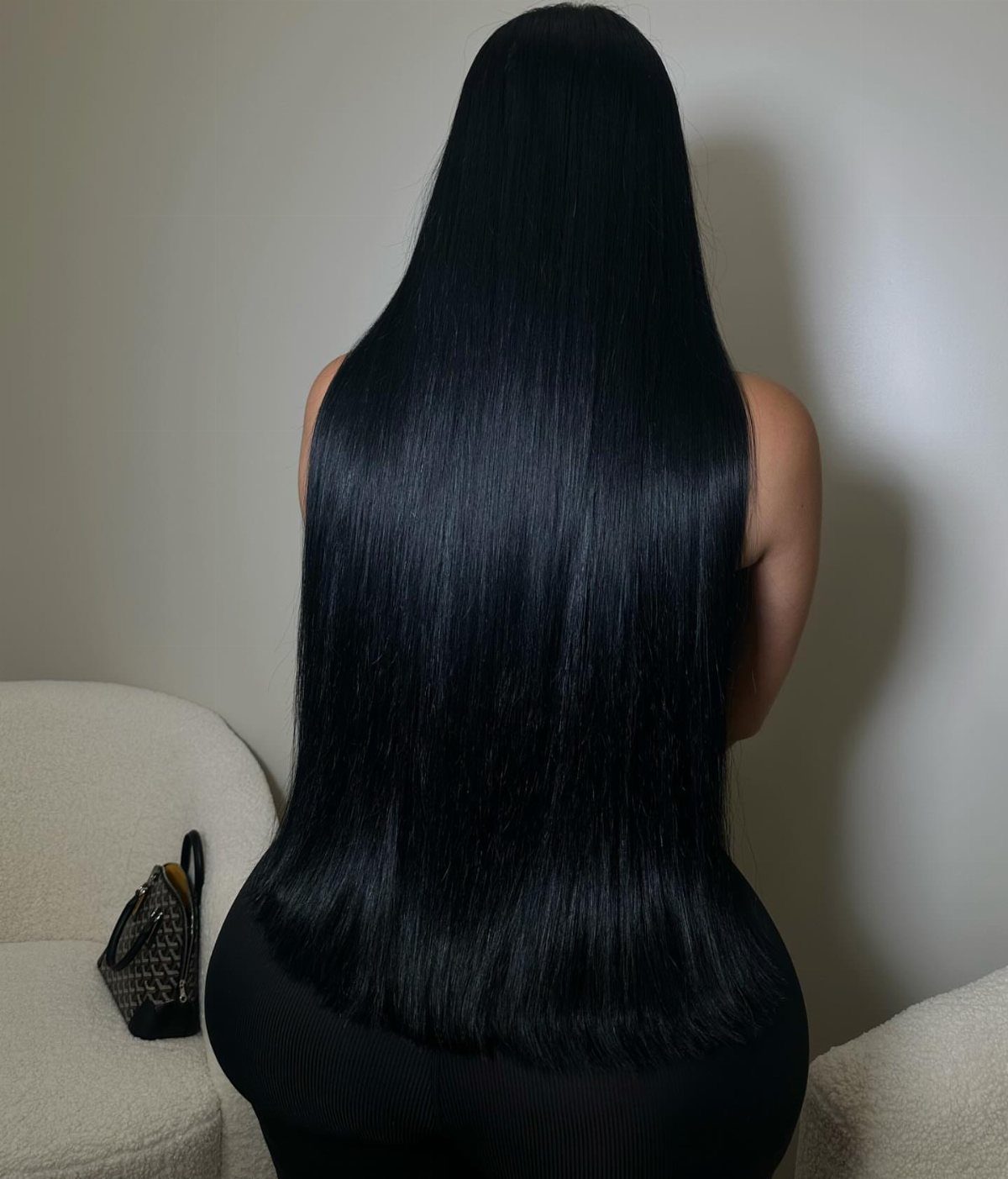
Pin straight hair has no wave and no curl, so the whole look depends on the length hanging in one clean, even line. On very long black hair, that sheen reads as polish.
Straight hair shows every snag and split end, so keep the ends trimmed. Black leggings and a simple top keep the attention on the hair.
Sleek, pin straight hair only looks expensive when it’s kept up: a little heat protectant, a smoothing serum, and a silk pillowcase at night go a long way.
Weather and friction can break the line, and nothing hides a rough patch.
8. Long Layered Haircut
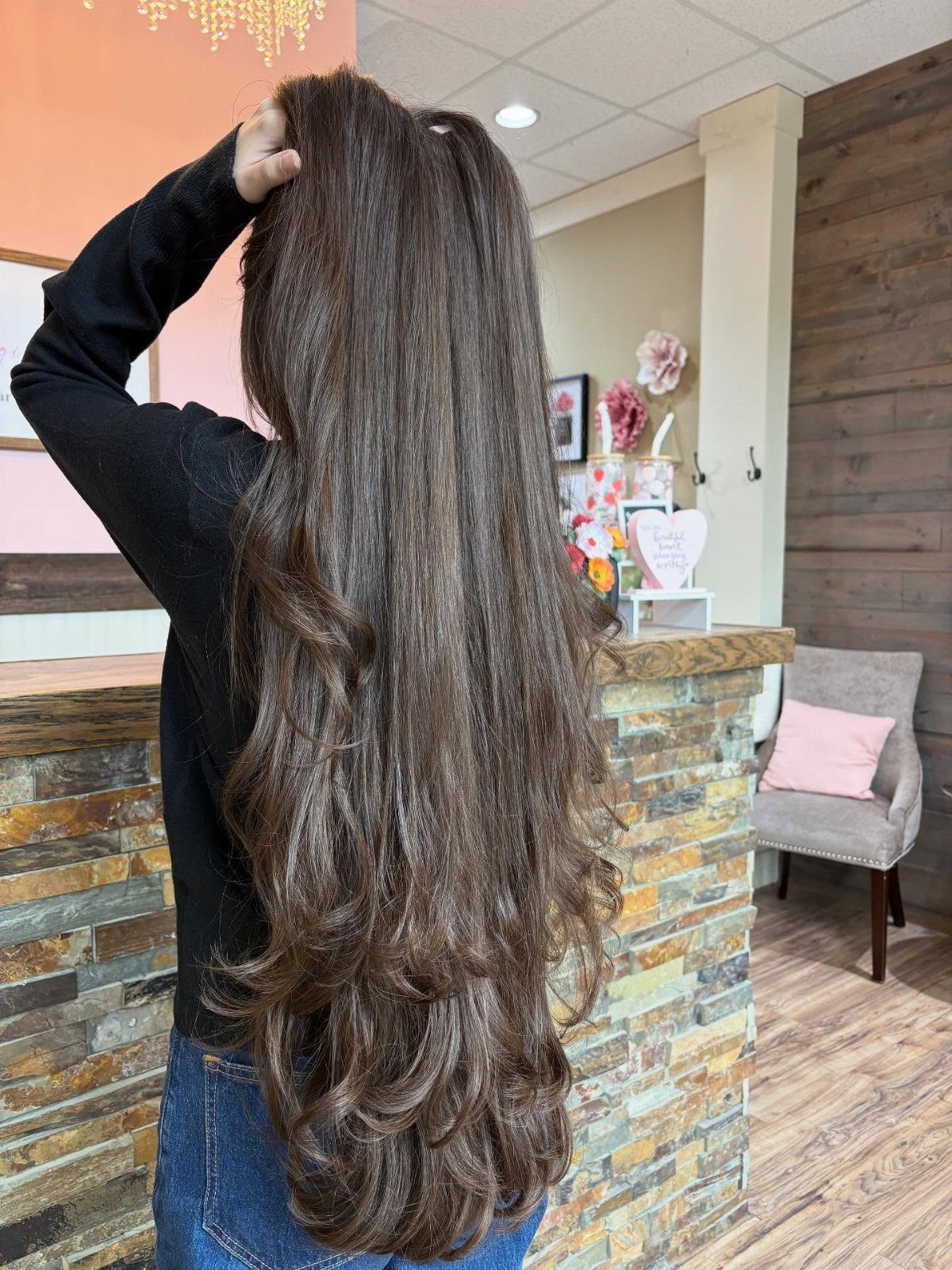
Layers are what keep very long hair from falling in one heavy sheet. Cut at different lengths, they add volume and movement, and the ends can take a curl without looking flat.
Ask your stylist for layers that start below the chin, so the length stays long. Then tell them how much you want to lose, because layers always remove some of the bottom.
I think this is the best pick here if you want long hair that still moves. A light curl on the ends shows the layering best.
9. Bantu Knots
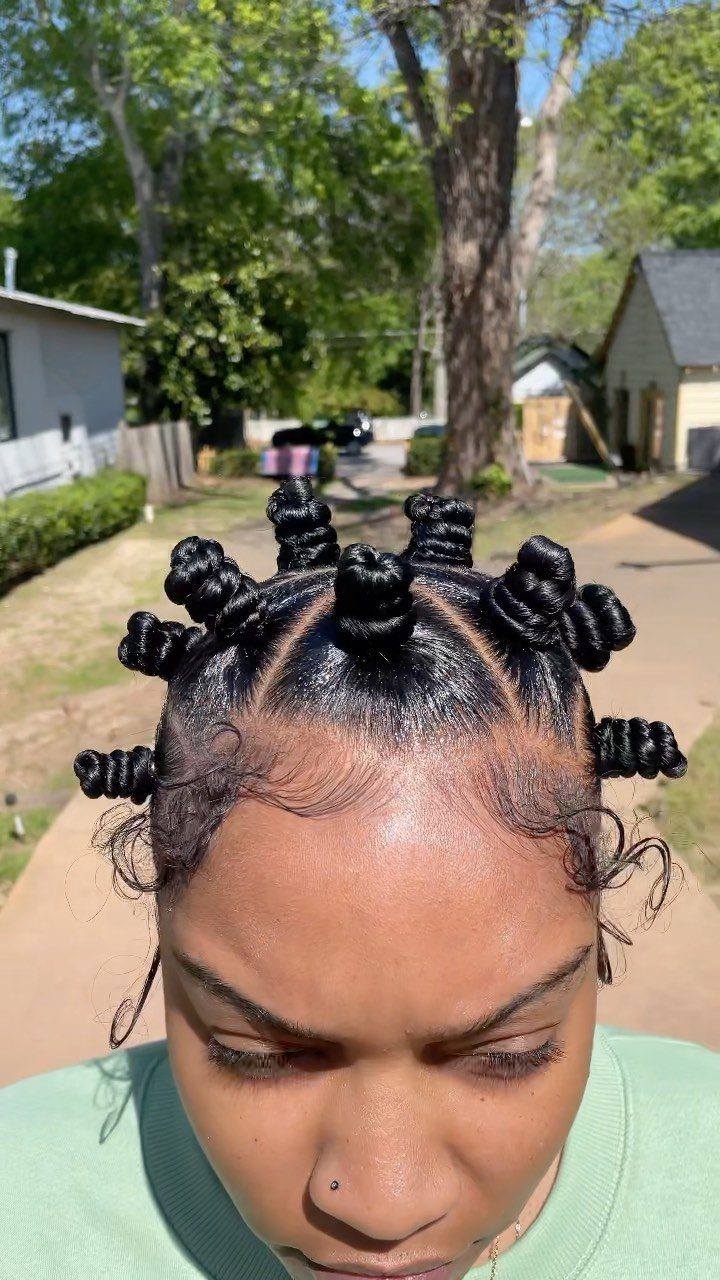
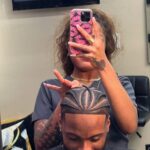
Bantu knots coil sections of hair into small knots that sit close to the head, and the result is bold, graphic and fun. They are also low maintenance once they are set.
Part the hair into even sections first, since neat parts make neat knots. Twist each section tightly, then wrap it around its base and tuck the end under.
Knots work with short sleeves and simple outfits, because the hair already makes the statement. Take them out gently, and you may get defined curls from the coiled sections.
10. Mermaid Braids
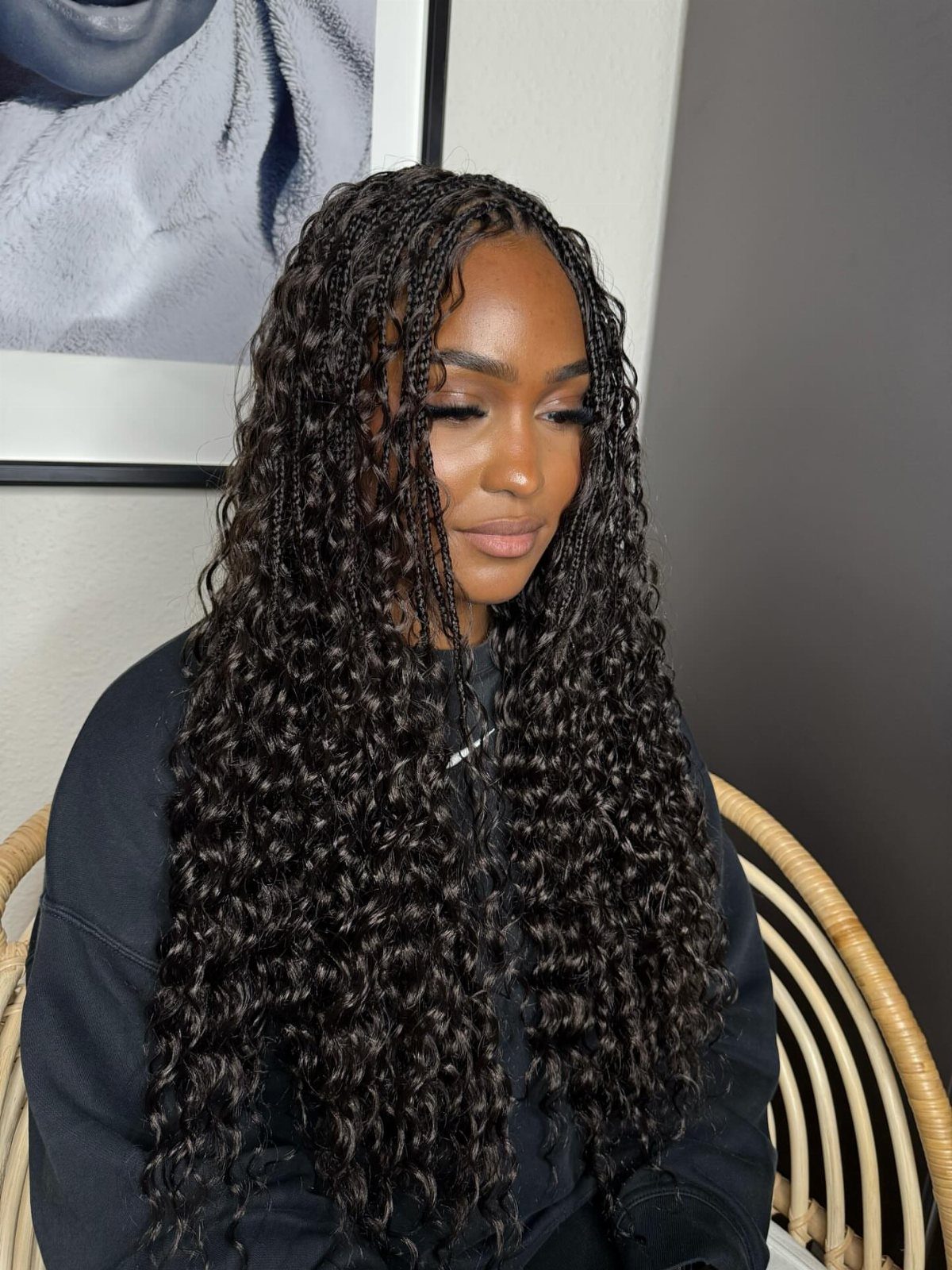
A mermaid braid gives you the loose, wavy fall of long hair, just woven into a few thick, chunky plaits. Long and curly, they fall over the shoulders and chest with a soft, undone movement.
I like them for people who want the drama of long waves without styling hair every morning. The curl in the braids is what gives the tousled effect, so keep the ends loose, not tightly sealed.
Choosing the Right Hairstyle
Hair type and thickness decide more than any photo does. Fine hair can look thin at the ends when it’s very long, so a cut that keeps weight at the bottom usually looks fuller than one with lots of shaping.
Be honest about your mornings. If you’ll give a style 5 minutes, pick something that works with your natural texture, not against it.
Before you book, ask yourself how often you’ll actually sit in a salon chair. Some cuts stay sharp for a long time, while others need frequent visits, so choose one that fits your schedule and budget.
Maintaining Long Hair
Split damp hair into 4 or so sections, then start at the ends with a wide-tooth comb and move up toward the roots a few inches at a time, so knots never get dragged down into one big snarl.
Starting at the roots only pushes knots down into a bigger snag.
Cut down on friction wherever you can, and don’t let shed strands pile up into large knots. Hair that sheds naturally gets caught in the length, so clear it out during each wash instead of letting it build.
Trim on a schedule you’ll keep. Some cuts hold their shape longer than others, so ask your stylist how often yours needs it, then book the next visit before you leave.
Styling Tips
Heat protectant goes on before any hot tool, every time. Match your other products to your hair type: lightweight formulas for fine hair, richer creams for thick or dry texture.
Heatless methods are worth a try when you want a break from hot tools. Heatless curls, wet-hair looks, braids, and updos all give shape without the extra damage.
Test a new product on a normal day, not before an event. That way you see how it behaves by the afternoon, once the hair has settled.
Frequently Asked Questions
What is a butterfly haircut?
A butterfly haircut is built from feathery layers that add volume and texture to long hair.
It is a close cousin of the long layered cut, where pieces are cut at different lengths so the hair keeps its movement instead of falling in one heavy sheet.
For a butterfly cut that keeps its length, tell your stylist to start the shortest layer below the chin; expect a small trim off the ends too.
What are some trendy haircuts for women with long hair?
Layered cuts, blunt cuts, and styles with bangs are the popular picks. Long layers get my vote for hair that keeps its length and still has movement, and a loose curl at the ends makes the shape easier to see.
Blunt cuts hold weight at the bottom, which helps fine hair look fuller, but they need regular trims to stay sharp.
What styles can I do with short natural hair?
Twists, braid-outs, crown braids, low-tension updos, and half-up styles all work.
They cut down on handling while still leaving much of your natural hair visible. Bantu knots are another option: part the hair into even sections, twist each one tightly, and wrap it around its base.