Before you compare prices or read a single label, know your hair type and the one issue bugging you most, because those two facts sort the shelf faster than anything else.
The list runs from a 3-minute Aussie conditioner and a jojoba oil you use in 2–3 drops to a full TRESemmé shampoo, conditioner and mask set, so the effort ranges from a quick weekly fix to a whole routine.
Start with a single complaint, like frizz, buildup or knots, and shop for that alone.
1. Aussie 3 Minute Miracle
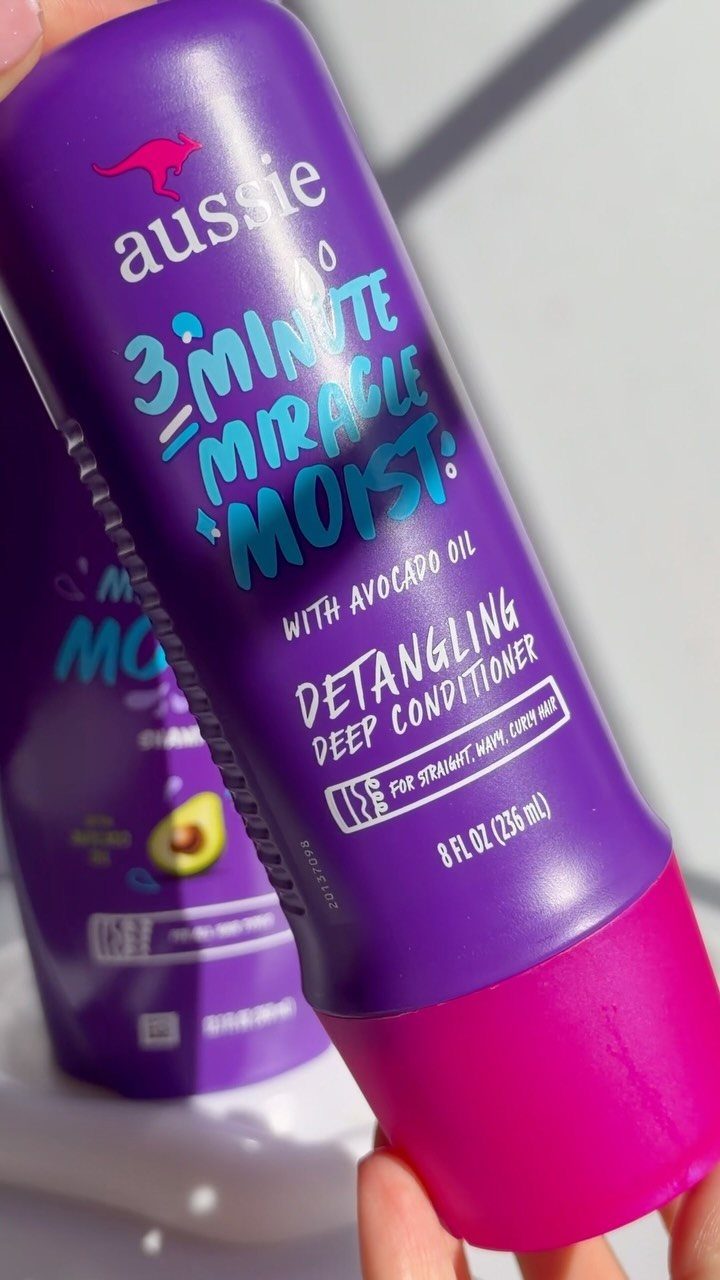
A deep conditioner that works in 3 minutes suits mornings when a full mask isn’t happening. The purple bottle is the Moist Detangling formula with avocado oil, so it leans toward dry or tangle-prone hair.
I would use it in the shower after shampooing, then comb it through the lengths and leave it on while I wash everything else. Keep it off the roots if your scalp runs oily.
It won’t replace a long weekend mask on badly damaged hair, but for a quick weekly boost, it’s an easy price to say yes to.
2. Garnier Fructis Sleek & Shine Serum
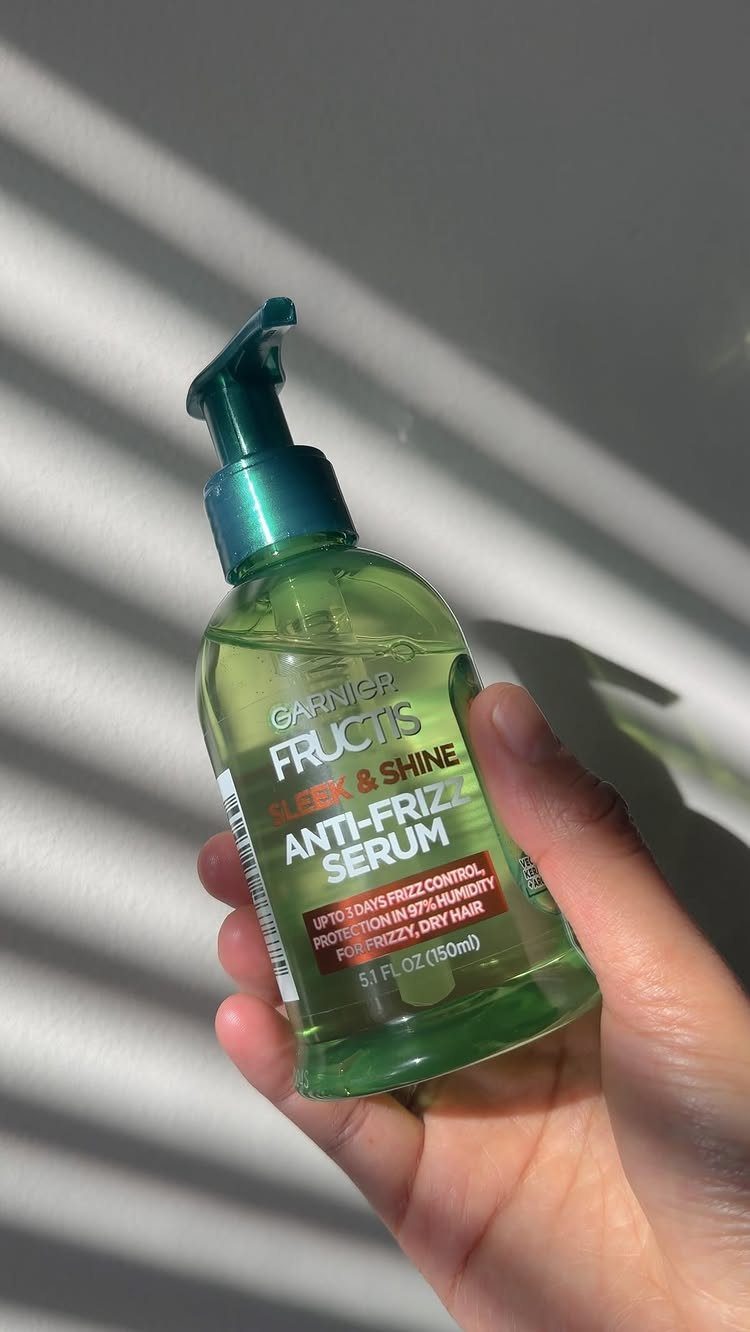
Frizz shows up first at the ends and along the hairline, and that’s where a serum like this earns its place. Garnier Fructis Sleek & Shine is an anti-frizz formula in a green bottle, and it sits at drugstore prices.
Start with a tiny amount on damp or dry hair, warmed between your palms, and work it through the lengths only. Too much and fine hair goes flat and greasy fast.
Thick, coarse hair can take more, but add it slowly, one small amount at a time.
3. John Frieda Frizz Ease Crème
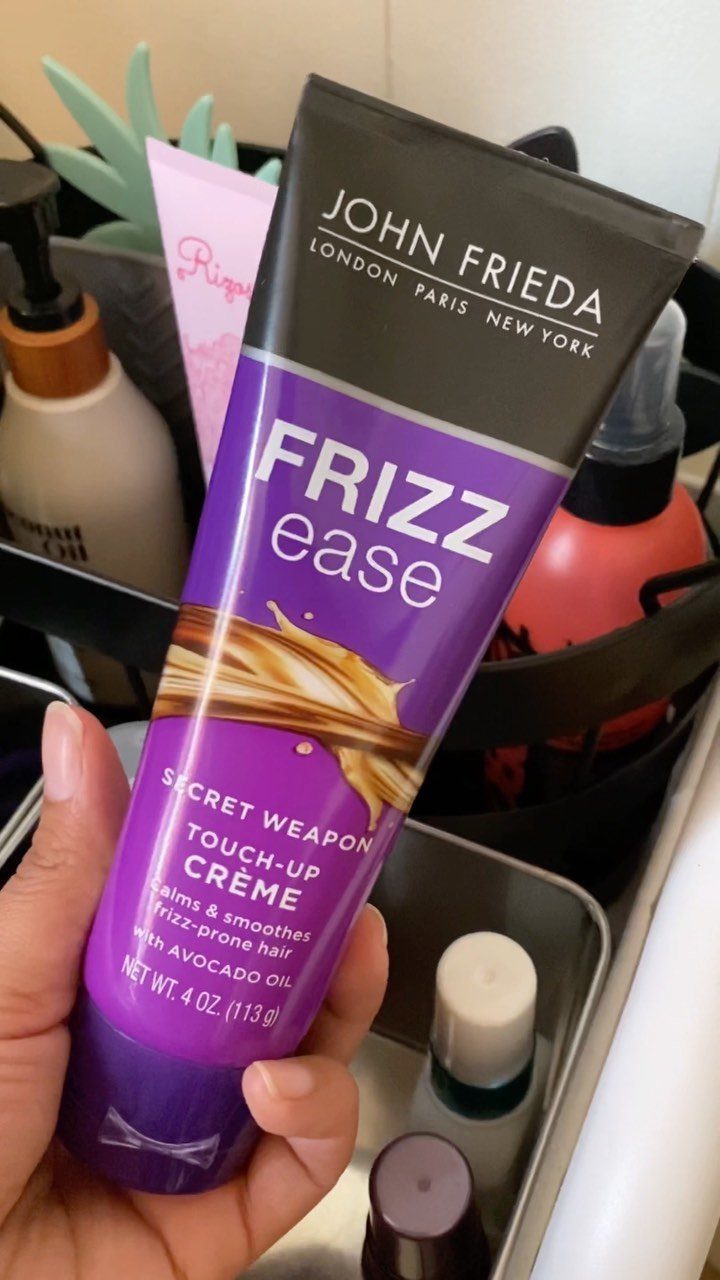
Tucked in a bathroom organizer between everything else, a tube like John Frieda Frizz Ease Secret Weapon Touch-Up Crème makes sense: it’s a touch-up product, meant for fixing frizz after styling rather than building a routine around.
I would keep a tube at home and one in a bag. Rub a pea-sized bit between your fingers and smooth it over flyaways or the frizzy sections only.
Skip the roots. Cream on top of a finished style can weigh down fine hair, so go lighter than you think.
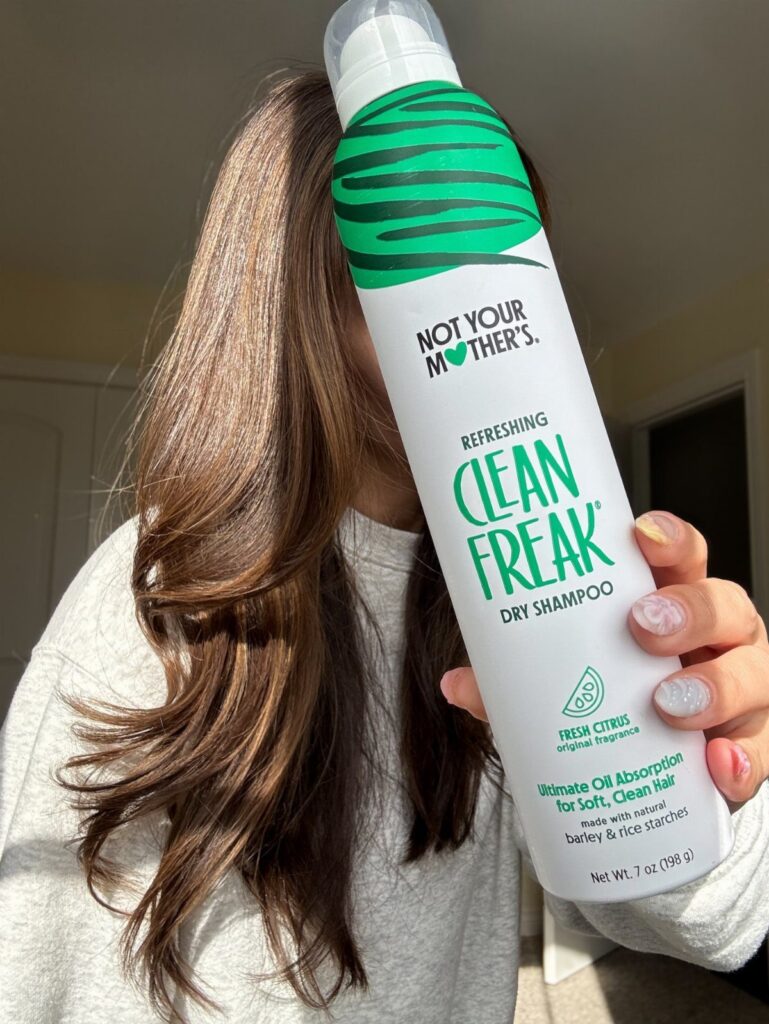
4. Not Your Mother’s Dry Shampoo
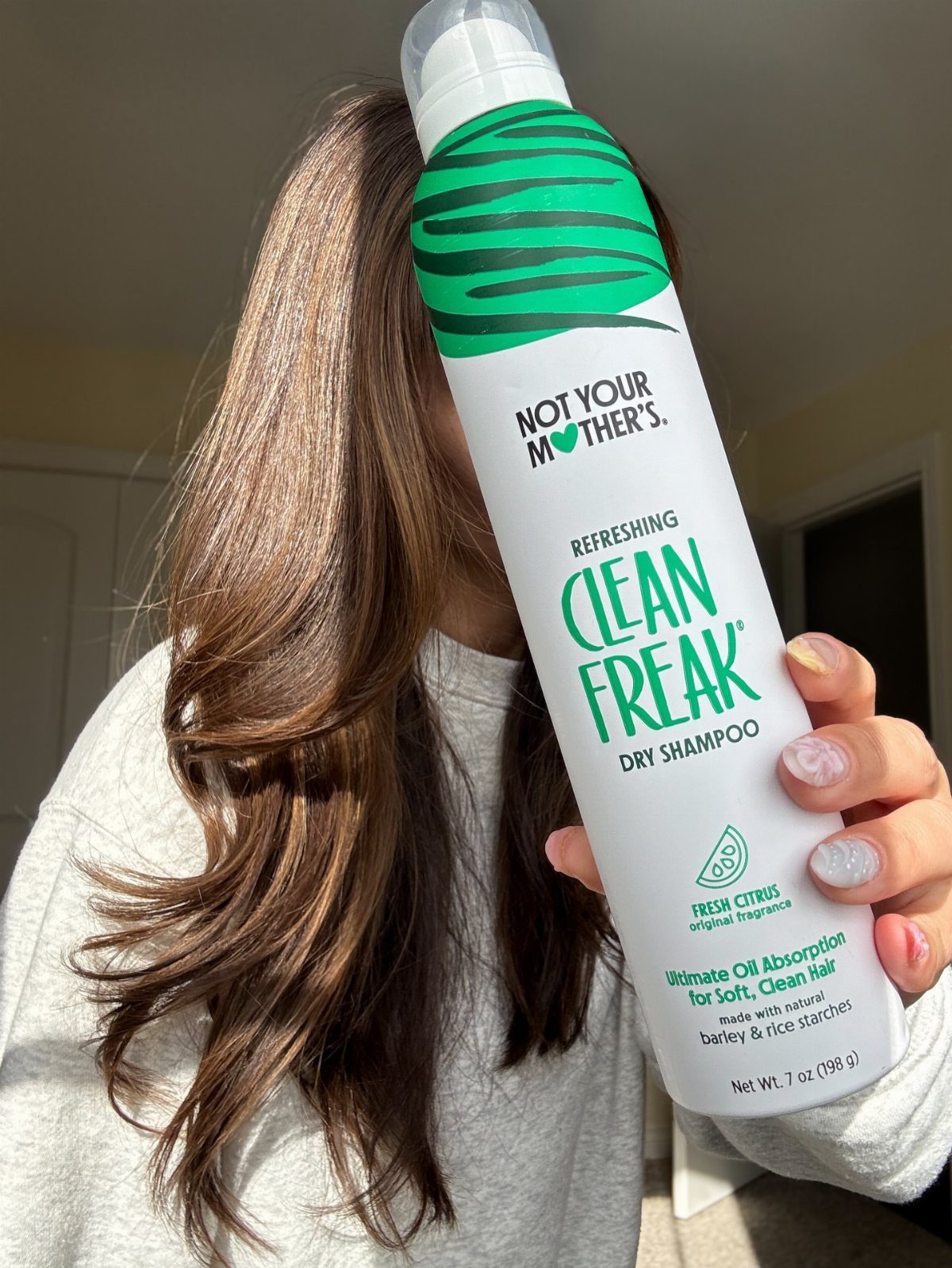
Clean Freak is the Not Your Mother’s dry shampoo, and it’s the sort of can that lets you stretch a wash by a day when your hair is long and takes forever to dry.
Hold the can several inches from your roots and spray in sections, parting your hair as you go. Wait a minute, then massage with your fingertips and brush through.
Dry shampoo only hides oil; it doesn’t clean your scalp. Still wash on a regular schedule.
5. TRESemmé Lamellar Hair Care Set
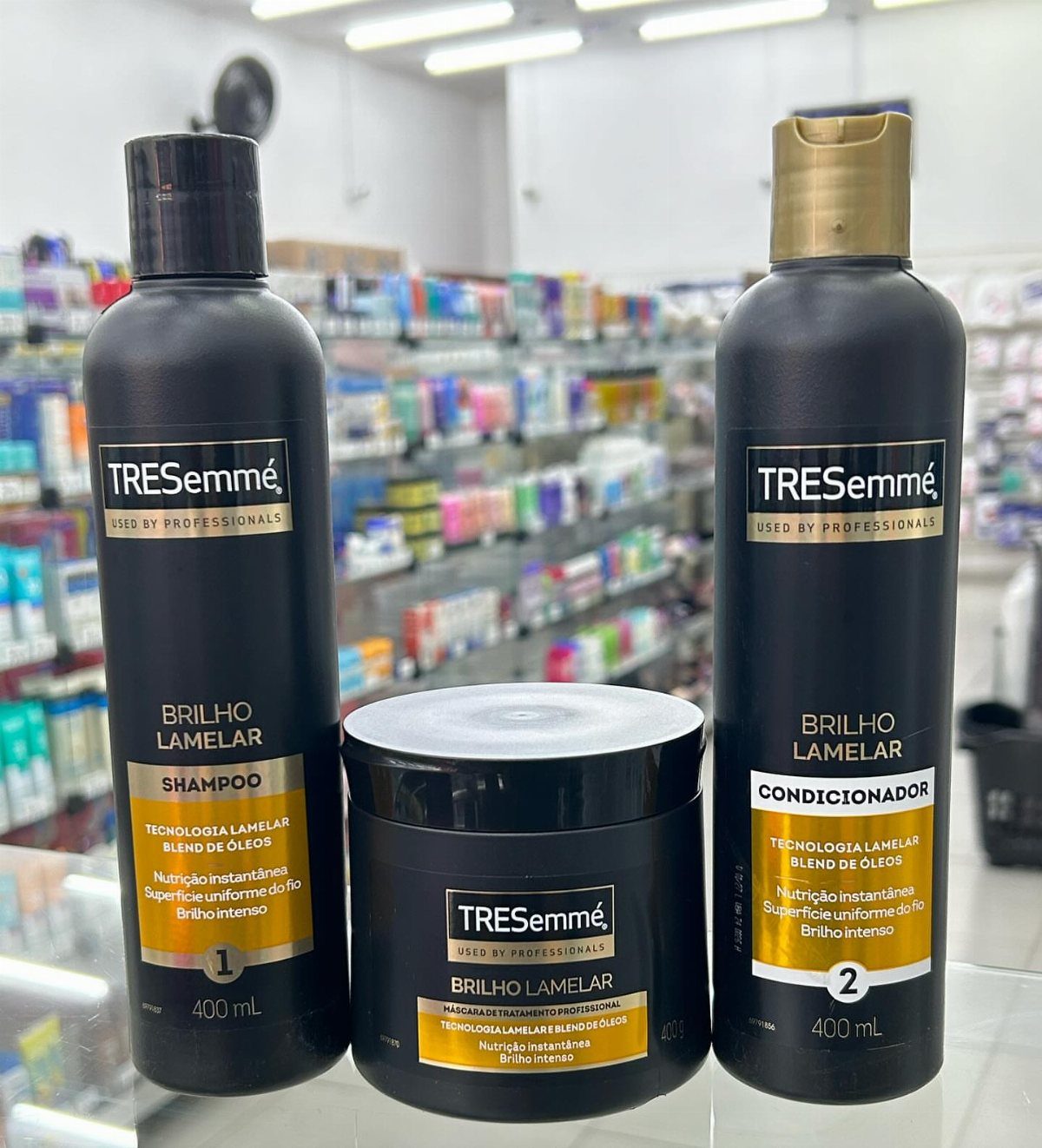
A full shampoo, conditioner and mask lineup is the best way to judge a hair line, since the three are built to work together. This TRESemmé Brilho Lamelar set has Portuguese labels, so it’s an import version of the range.
If you spot it in a store or order it online, check that the seller is legitimate and read the ingredients in English before buying.
I would shampoo and condition as usual, then use the mask in place of conditioner once a week. For anyone who can’t find it, TRESemmé’s US shelves are the sensible alternative.
6. L’Oreal Heat Slayer Spray
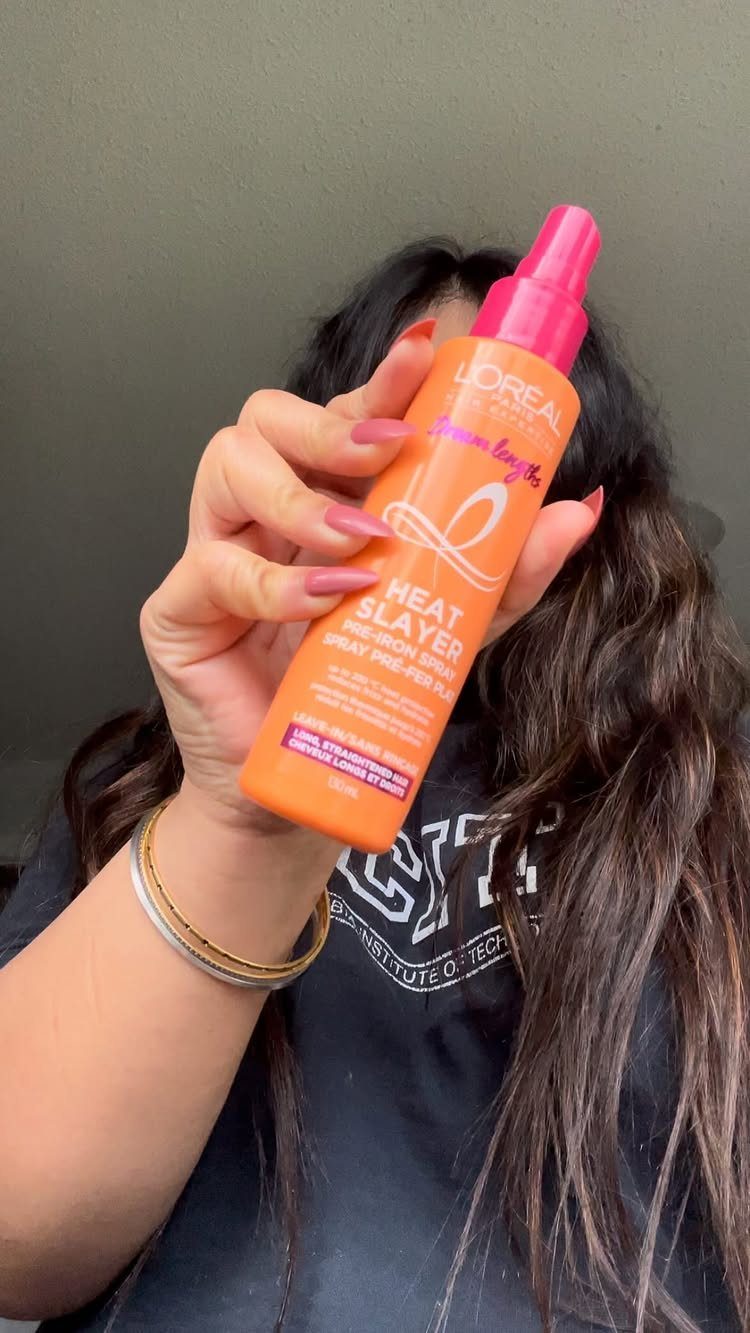
Heat damage is the cheapest kind to prevent, and a spray like L’Oreal Dream Lengths Heat Slayer, in the orange bottle, goes on before any flat iron or curling wand.
Mist it onto damp hair for blow-drying, or onto dry sections before ironing, then comb it through so every strand is coated. Missed patches are where the damage happens.
No spray makes high heat safe. I would still turn the tool down a notch and skip passing over the same section repeatedly.
7. Aussie Bouncy Curls Shampoo
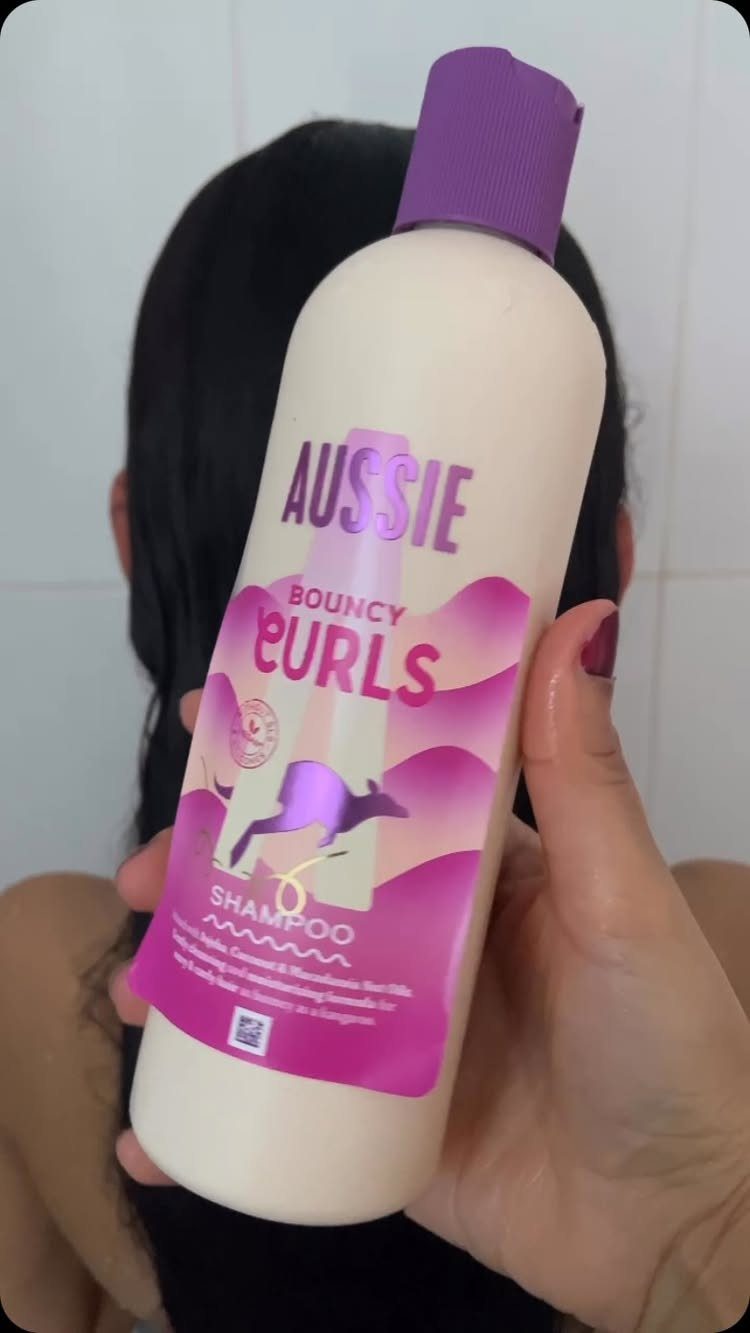
Curly hair needs a shampoo that cleans without stripping, and Aussie Bouncy Curls, the bottle with the purple cap, is aimed at exactly that texture.
Work it into the scalp only, then let the suds rinse down through the lengths instead of scrubbing the curls themselves. Rough handling is what turns curls into frizz.
Follow with a conditioner, since a shampoo alone won’t define a curl. Wavy hair may like it too, but very fine, straight hair has little reason to pick it up.
8. Desert Essence Pure Jojoba Oil
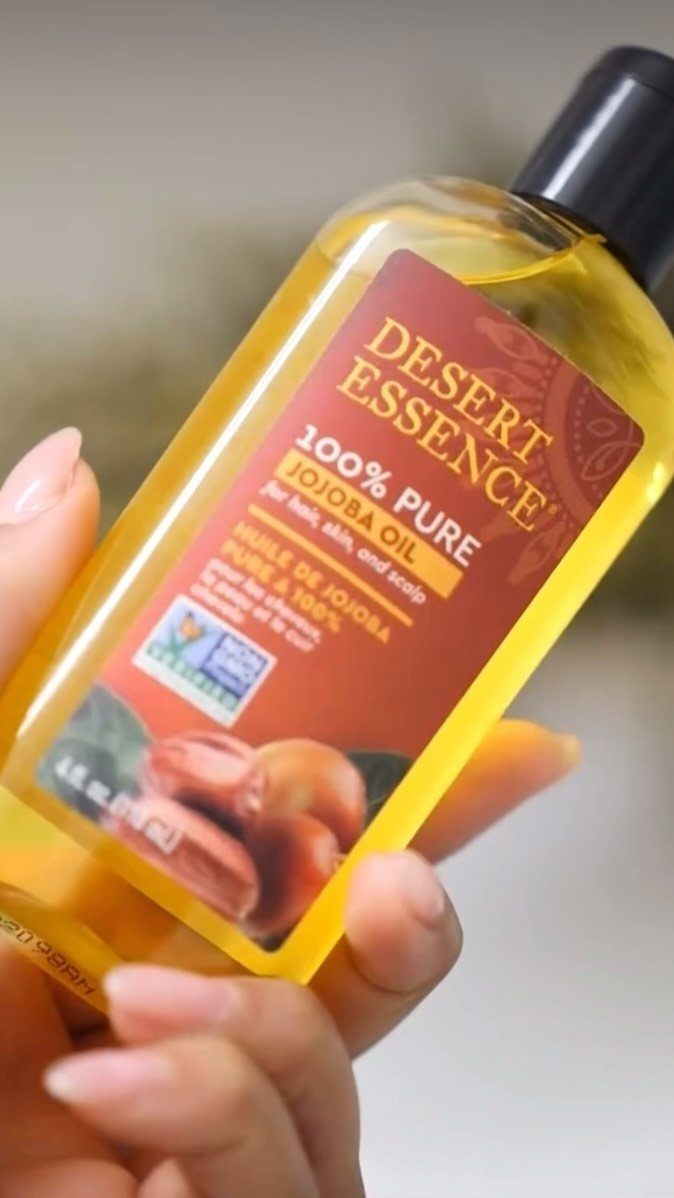
A clear bottle of Desert Essence 100% Pure Jojoba Oil is one product doing three jobs, and the label names hair, skin and scalp.
Start with 2–3 drops warmed between your palms, then smooth it over the ends of dry hair. Oils sit on top of the strand, so more is not better, and fine hair goes limp fast.
I would also try a drop on a dry scalp patch before using it anywhere near the roots. A single bottle covers a lot of routines, which is why I would buy it before a specialty hair oil.
Choosing the Right Products
Hair type and main concern should decide the purchase before price or packaging does. Curls, waves and color-treated hair each have formulas made for them at the drugstore, so read the front label for your texture first.
Pick one problem to fix first, such as frizz, dullness, buildup or tangles, and buy for that. A shampoo, conditioner or scalp scrub aimed at a single concern usually does more than a bottle promising everything.
Affordable formulas can hold their own against pricier ones, leaving hair soft, shiny and easy to comb. Buy one new product at a time so you can tell what is working.
Using Heat Protectants
A heat protectant belongs before every hot tool, whether that is a blow dryer, flat iron or curling iron. Stylists treat it as a must, and I agree.
2 kinds are easy to find. TRESemmé Heat Tamer Spray is a simple spritz-on option made for protecting hair before heat styling.
L’Oréal Paris EverPure Sulfate-Free Weightless Blow Dry Primer is a primer that protects up to 450 degrees and gives 48 hours of frizz control without weighing hair down.
If blowouts are your main heat habit, the primer is the better fit. For a quick routine across several tools, the spray is easier.
Importance of Hydration
Dry or damaged strands lose moisture faster than they can hold it, so hydration is the first thing I would fix. Smooth, shiny hair usually starts with strands that are well moisturized.
Match the product to the job: a rinse-out conditioner for every wash, a deeper mask for weekly repair, and a light leave-in for daily dryness. Use heavier formulas on the ends, where hair is oldest and driest.
If hair feels limp or coated, you are likely using too much or leaving product near the scalp. Cut back before switching brands.
Frequently Asked Questions
What is the best hair product for repairing damaged hair?
Start with hydration: a weekly deep mask or conditioner, plus a rinse-out conditioner at every wash. Aussie 3 Minute Miracle Moist is a quick weekly option, though it won’t replace a long mask on badly damaged hair.
Ends are the oldest, driest part of any head of hair, so that’s where the richer creams and masks belong; spritz a heat protectant on before each hot tool so the damage doesn’t keep stacking up.
Which pharmacy product is best for hair growth?
Minoxidil products are the ones commonly recommended for growth. Nothing else I’ve covered claims to grow hair; the conditioners, serums and oils are for softness, frizz and shine.
Jojoba oil can go on a dry scalp patch, but I’d test a single drop first, and I wouldn’t expect it to add growth.
What is a good hair care routine?
Shampoo on a regular schedule, condition every wash, and add a deeper mask once a week.
Add products one at a time, a week or two apart, so you can see which one is actually helping, and scale back if your hair starts to feel limp or coated.
What hair products do women use?
Most use shampoo, conditioner and a few styling or treatment products matched to hair type and main concern.
Common extras include a frizz serum or cream, dry shampoo, a heat protectant spray or primer, and a hair oil such as jojoba. Pick the formula made for your texture, whether curly, wavy or color-treated, and fix one problem first.