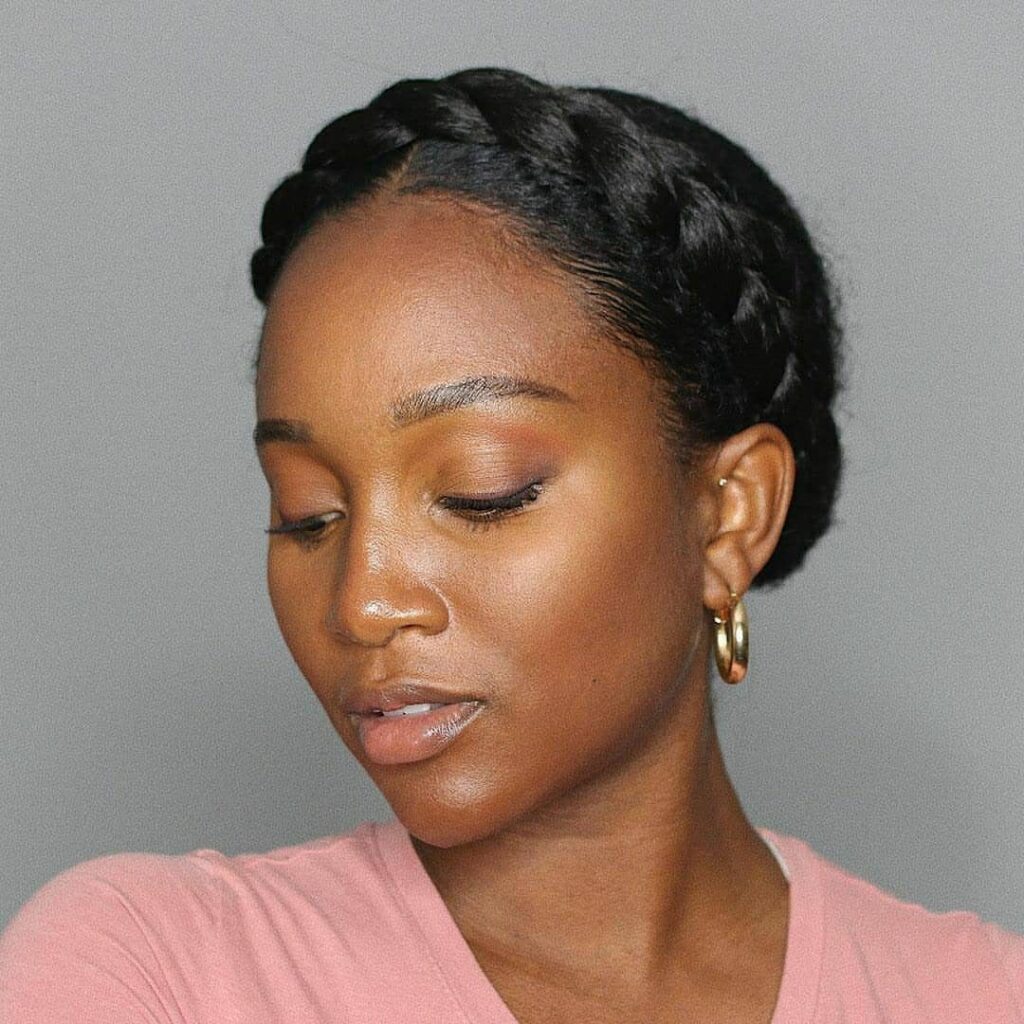
The 15 styles run from a high puff that takes minutes to jumbo box braids that need a salon appointment, and from a heat-free wash-and-go to a blowout that stretches coils into a smooth shape.
1. High Puff
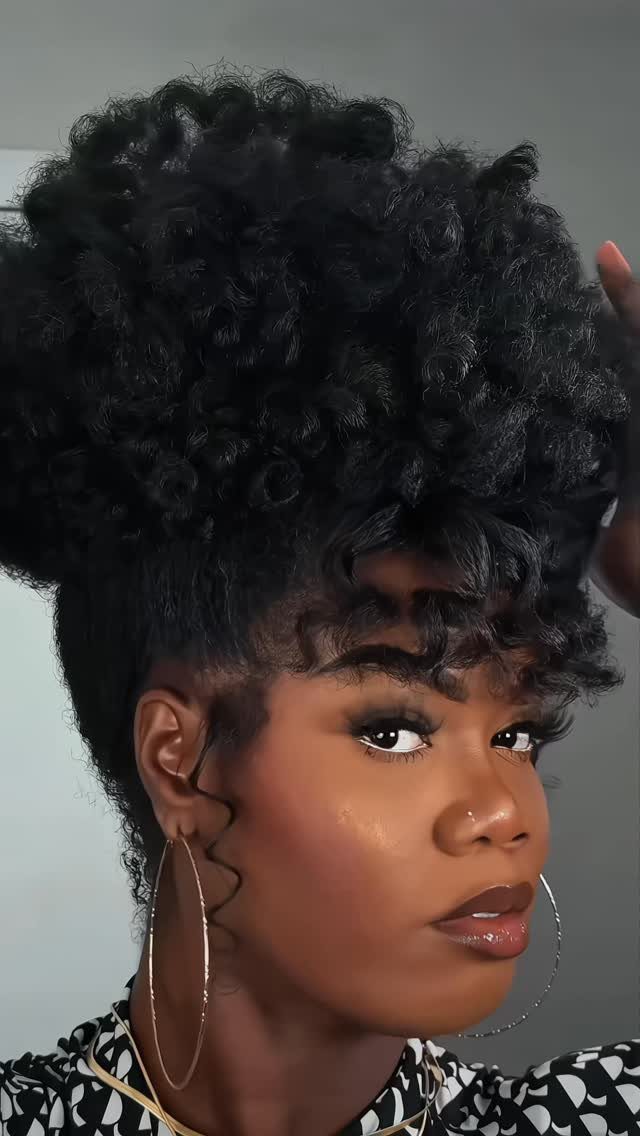
A high puff lives or dies on shape, and a round one looks best when the hair is gathered at the crown rather than pulled back from the forehead.
Curly bangs left out in front, as visible here, soften the edges and keep the style from looking severe.
Gold hoops balance the volume nicely. I would pick this for days when you want a style that takes minutes and still looks planned.
2. Two-Strand Twists
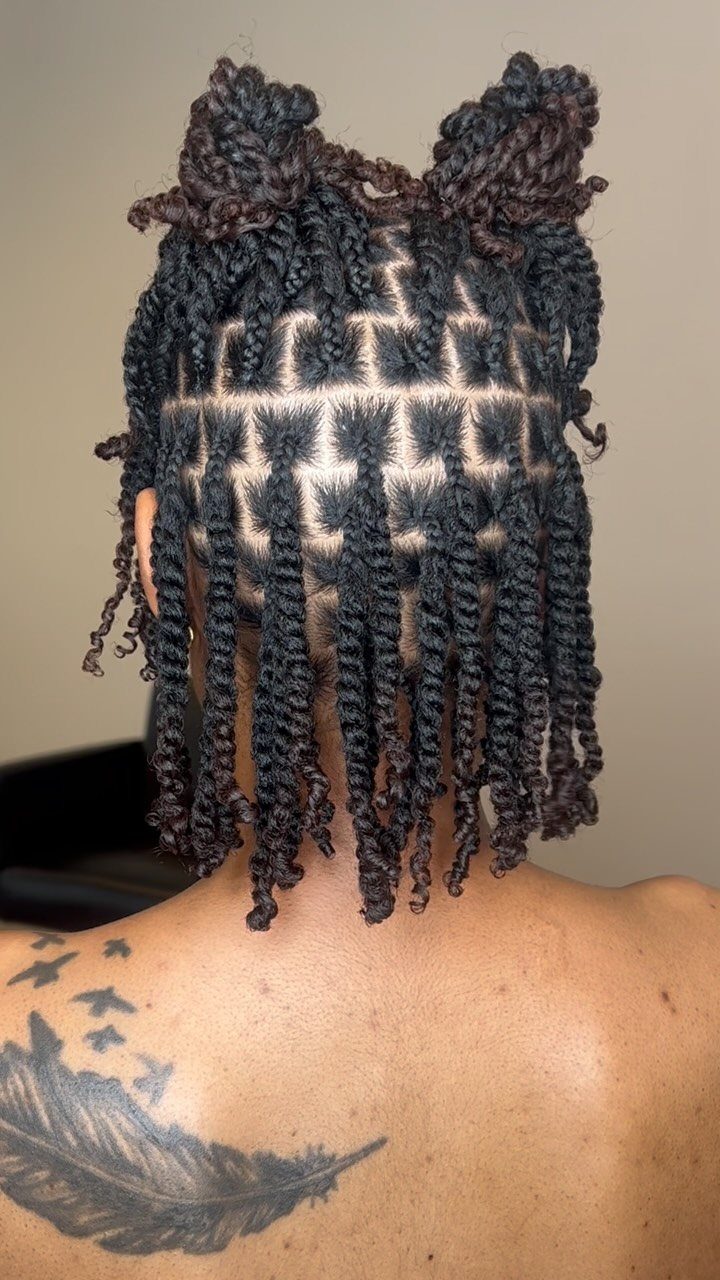
On 4C hair, two-strand twists define the curl pattern with very little heat, product or daily effort. Each section is split in two, and the halves wrap around each other down the length.
Pin the twists into 2 small buns on top and they stay neat, with nothing resting on the neck.
I like this version for the way it keeps the ends tucked and protected. Smaller twists take longer to install but hold their pattern better.
3. Bantu Knots
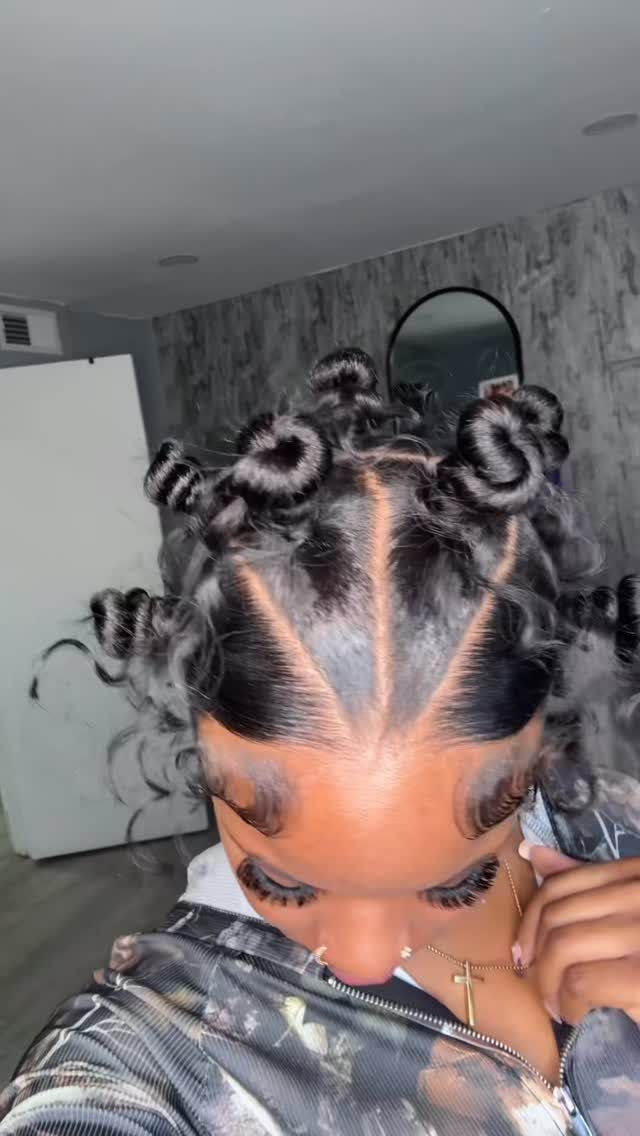
Because the small twisted buns can sit anywhere on the head, Bantu knots are among the most flexible styles here. Wear them as they are, or take them down for a crimped, stretched texture.
For a tidy pattern, section the hair into even parts before you twist; uneven sections make the knots sit crooked. I would keep a patterned jacket and simple jewelry in the mix, since the knots already carry the interest.
4. Flat Twists
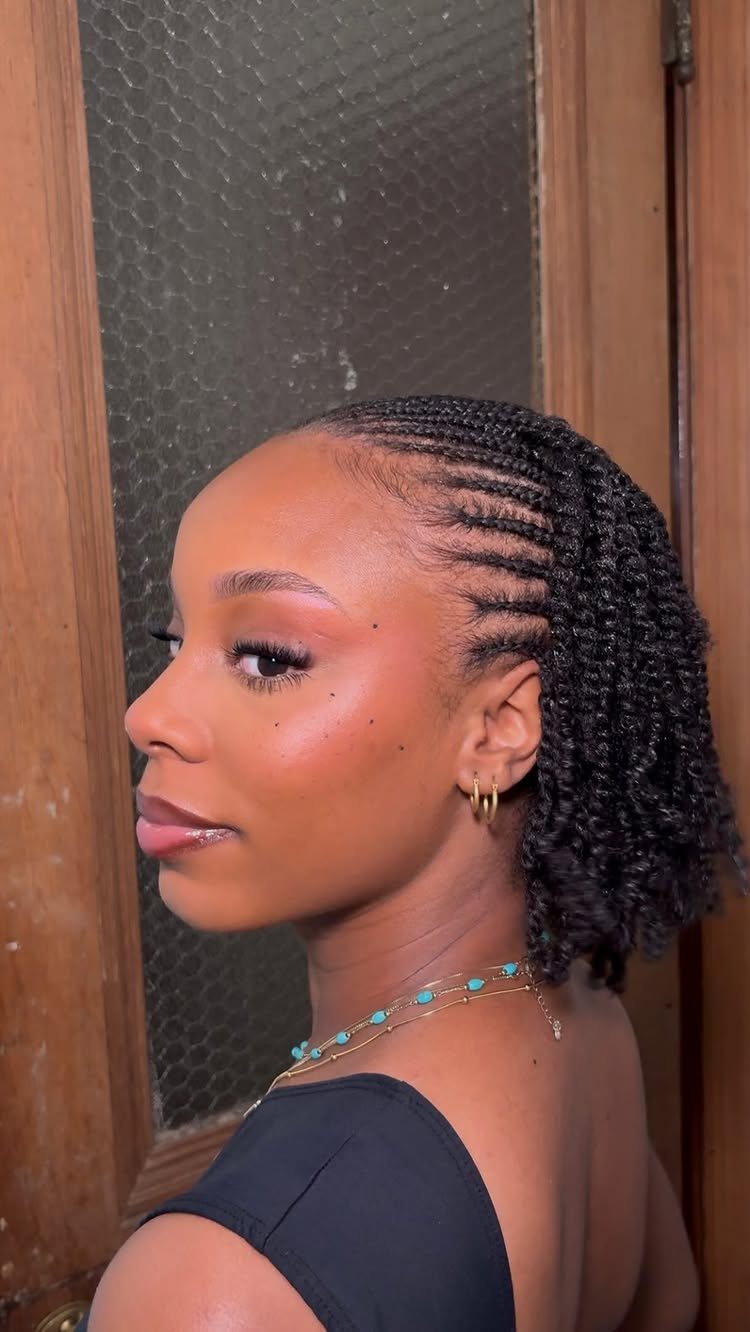
Flat twists lie against the scalp, so the top looks sleek while the ends stay free. Here the back finishes in curly twists, which gives the style a clear line from neat to textured.
That mix is my favorite way to wear them. A black top and gold jewelry keep the focus on the pattern of the scalp lines.
5. Braided Crown
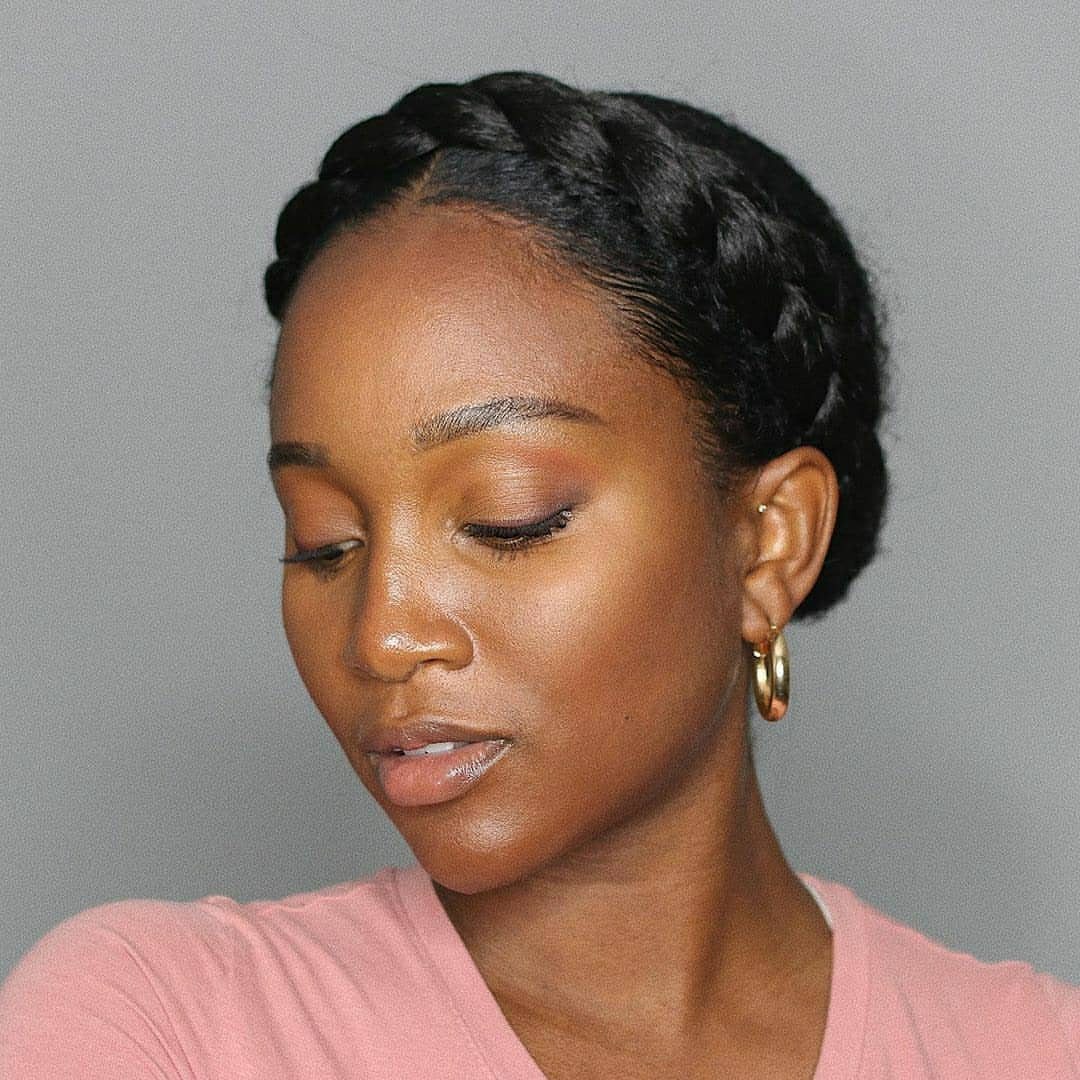
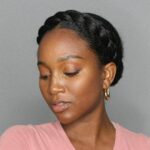
A braided crown circles the head like a headband, only it is made from your own hair. It frames the face and keeps everything off your neck.
Pair it with gold hoops and a bright top, and it looks finished with almost no other effort. I would choose this when you want something polished but not fussy.
6. Tucked Updo
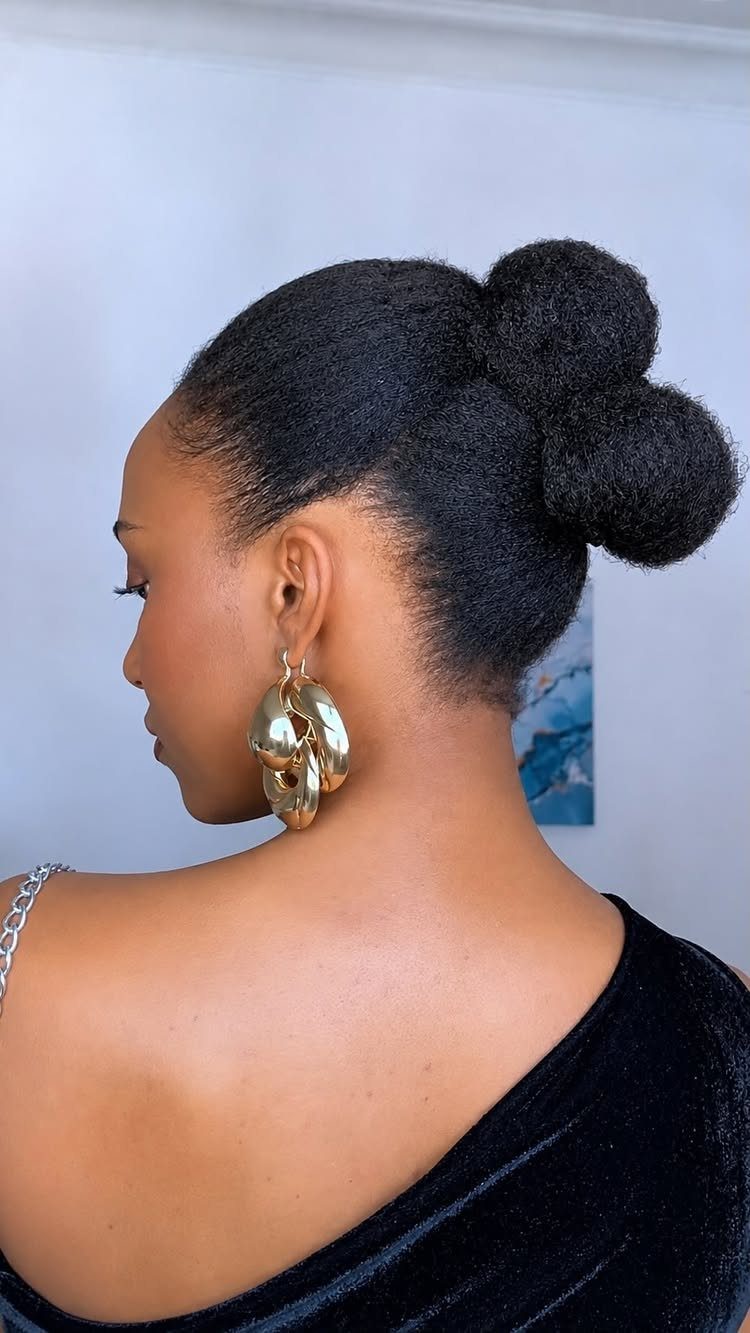
2 stacked buns at the back of the head make this tucked updo look elegant. The hair is gathered away from the face and secured low, so nothing competes with a neckline.
I would reach for this style for dinners and events, when you want your hair settled for hours.
7. Wash-and-Go
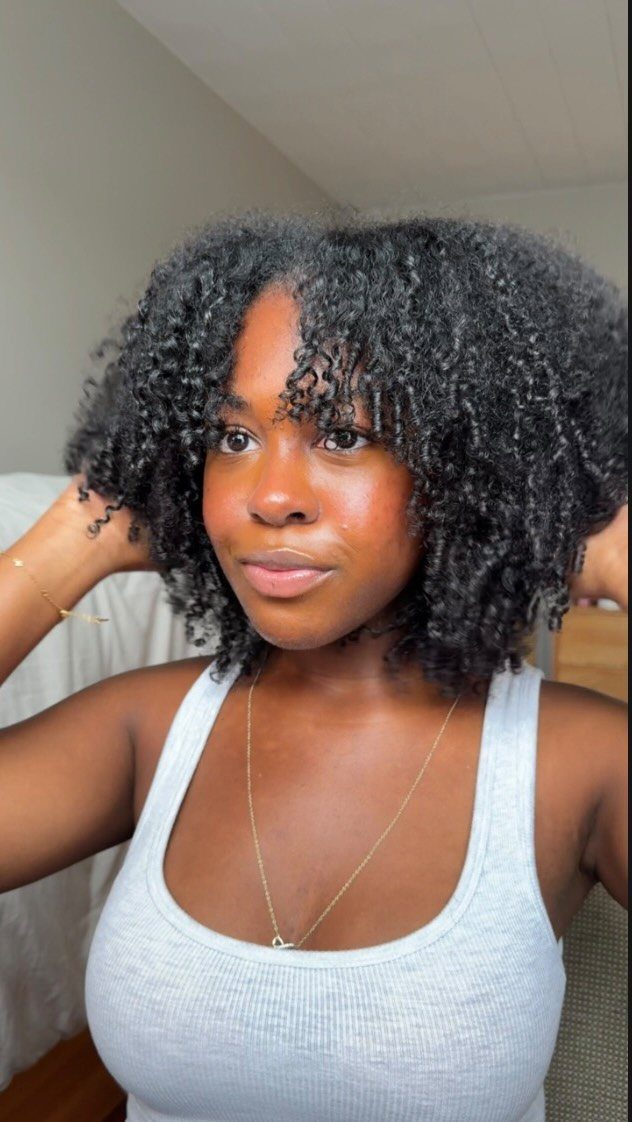
Curls left to dry in their own pattern give a wash-and-go its shape, and on 4C hair that means plenty of volume with no tools.
I like this one for wash days, when you want to skip heat and let the texture do the work.
A plain tank and layered gold necklaces suit it, since the hair already fills the frame. Expect it to look different once it dries and again the next day.
8. Cornrows
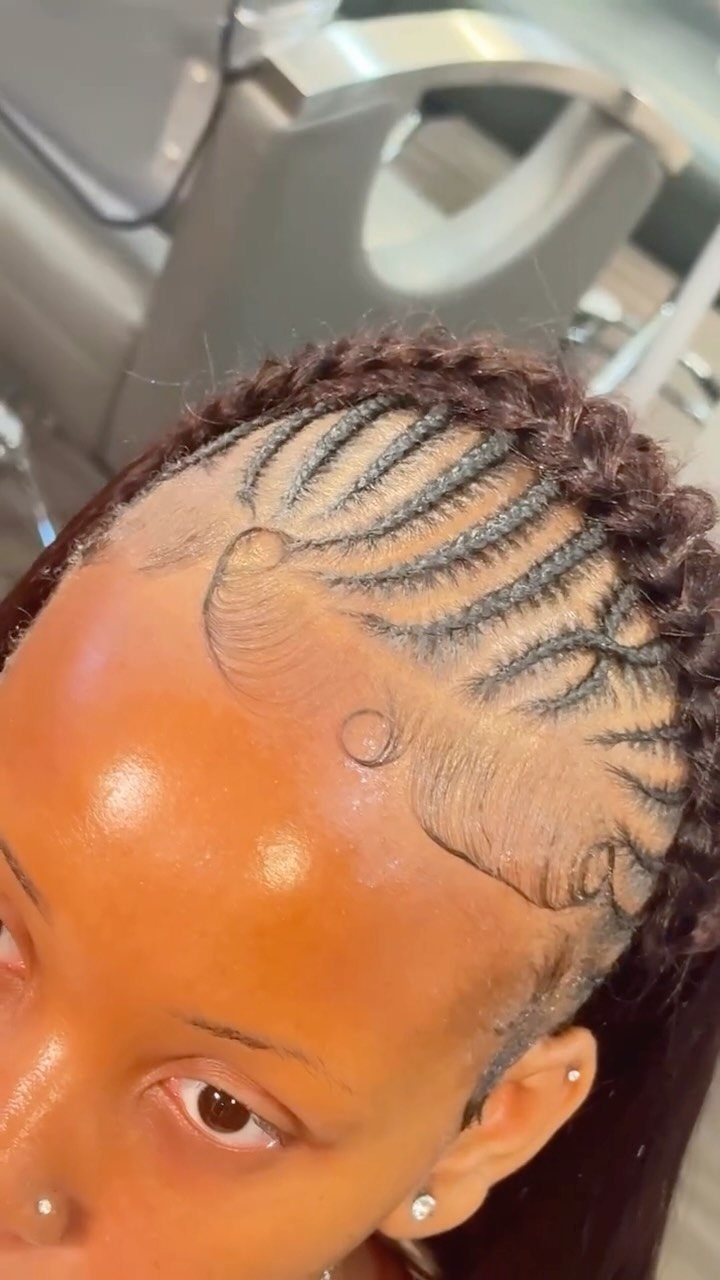
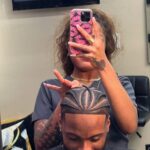
Even parts and steady tension decide whether cornrows look sharp or sloppy, since the braids lie flat against the scalp and any uneven row shows.
Styled edges finish the look, and a braided crown, as visible here, turns the pattern into a shape instead of straight lines.
I would book a stylist for anything intricate. Straight back rows are easier to try yourself, and they keep your hair out of the way.
9. Updo with Scarf
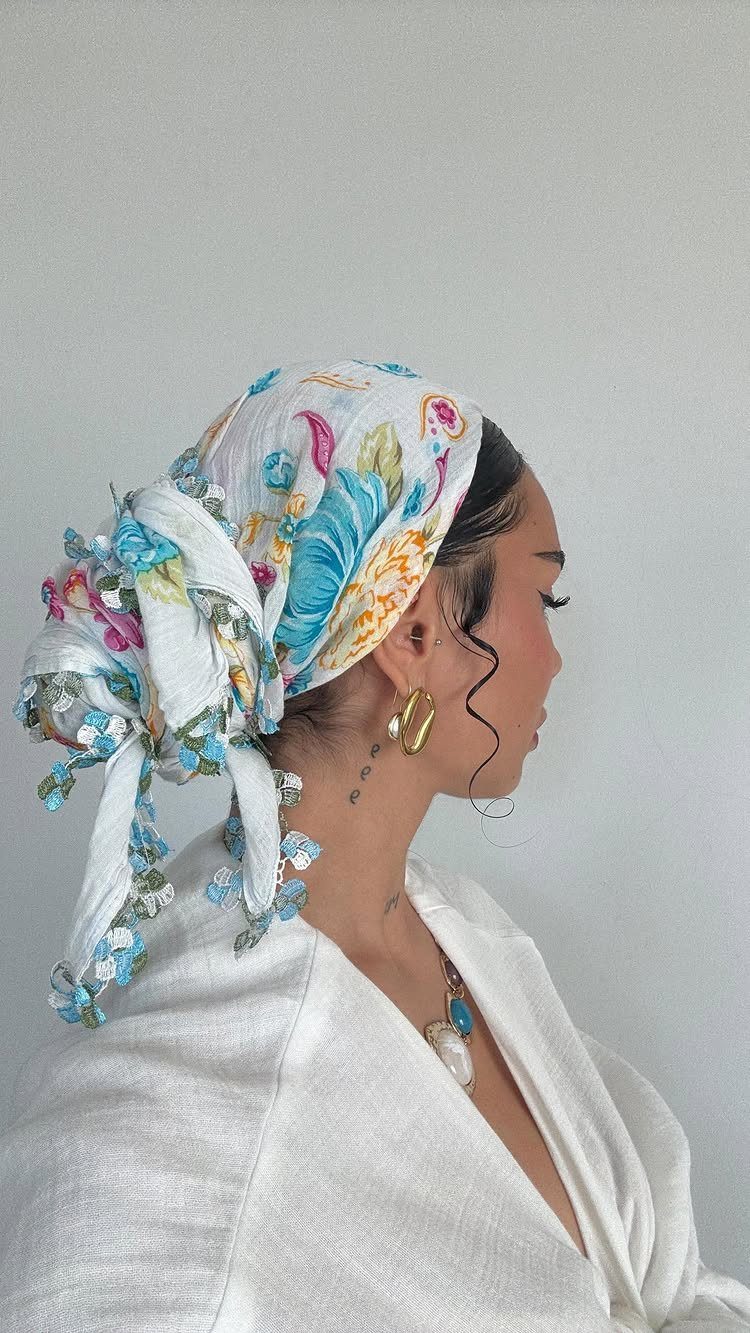
A floral headscarf tied over an updo adds color and pattern without any extra styling. Gold hoops, as visible here, keep the profile clean and let the scarf stay the focus.
I would choose a scarf with a light print when your outfit is plain, and a solid one when your top is busy. It also covers any part of the updo that isn’t quite smooth.
10. Jumbo Box Braids
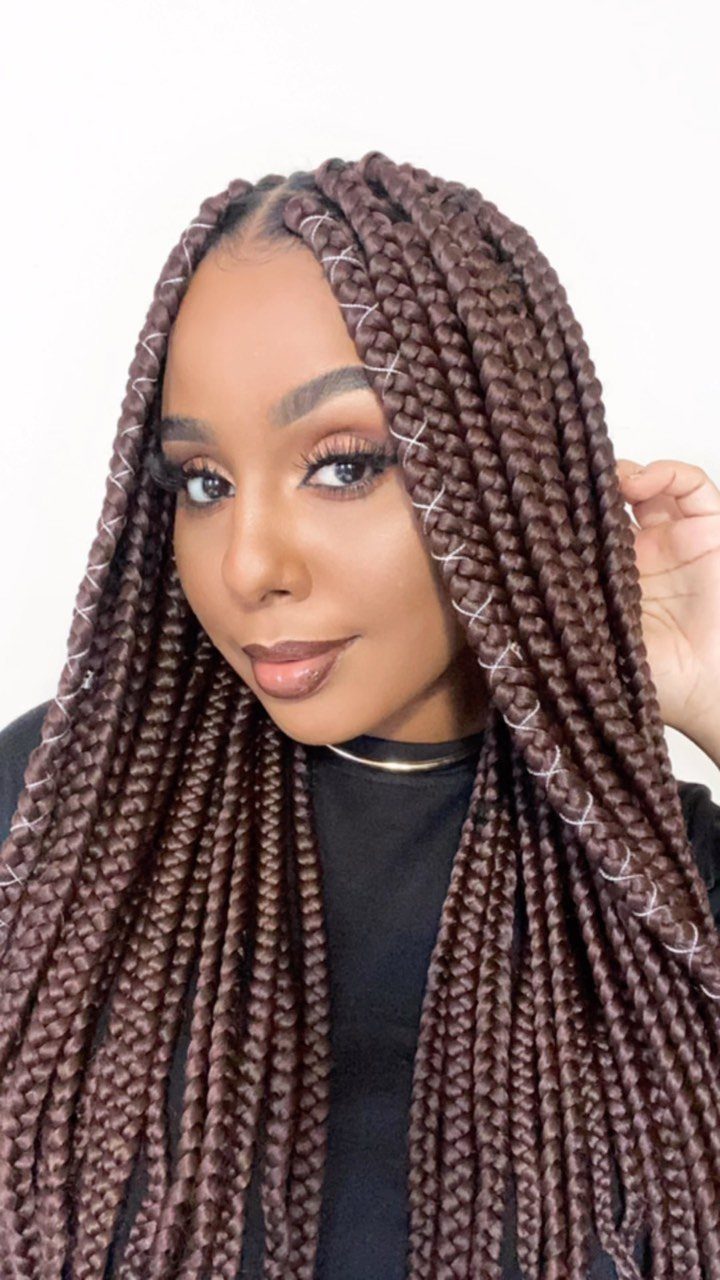
Jumbo box braids use larger sections than traditional box braids, so there are fewer of them and the install goes faster. That is the real appeal: a long, bold style with less time in the chair.
The thick braids look best with simple accessories, like the silver pieces visible here. I would pick this when you want length and impact without a long appointment, though bigger parts mean a chunkier, less detailed look.
11. Frohawk
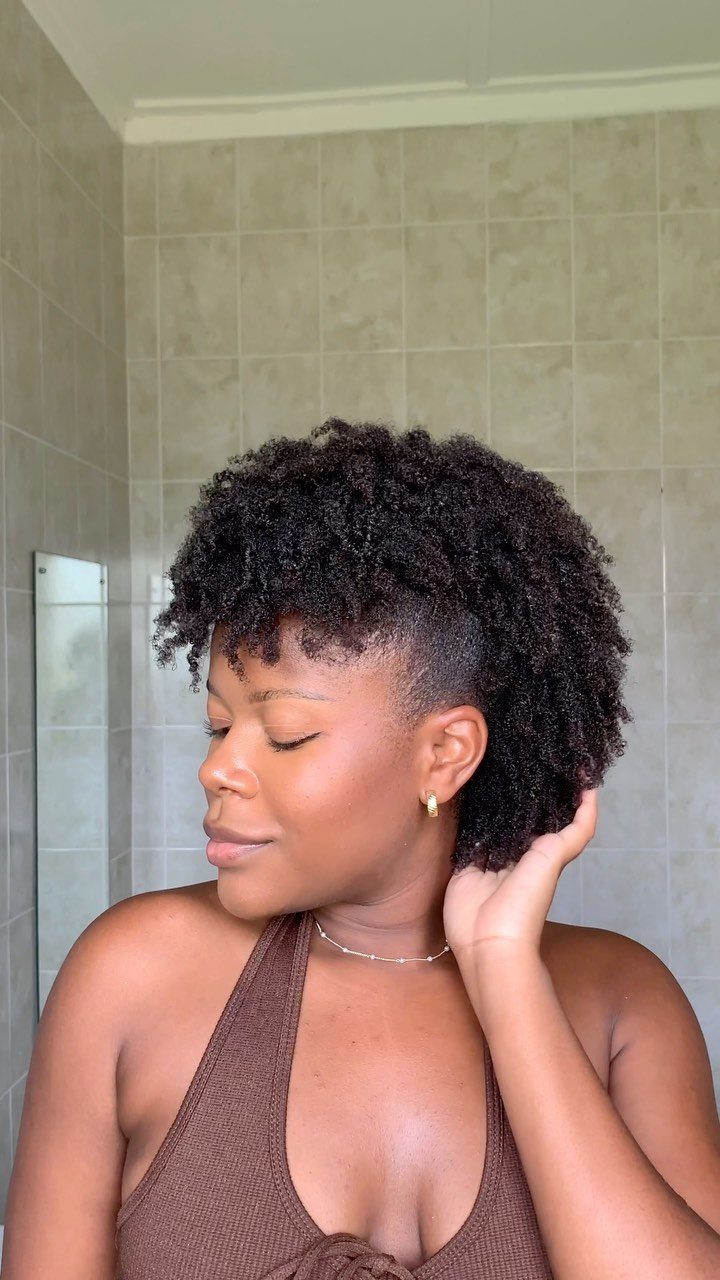
A frohawk pushes the volume up the center and keeps the sides short, so the curls become the whole statement.
Shaved sides sharpen the contrast between the shape on top and the clean line below, though they do commit you to regular trims to keep the edge crisp.
I like it best with a simple top and one necklace, because the shape already does the talking. Fluff the center with a pick, working upward, to keep the height even from front to back.
12. Finger Coils
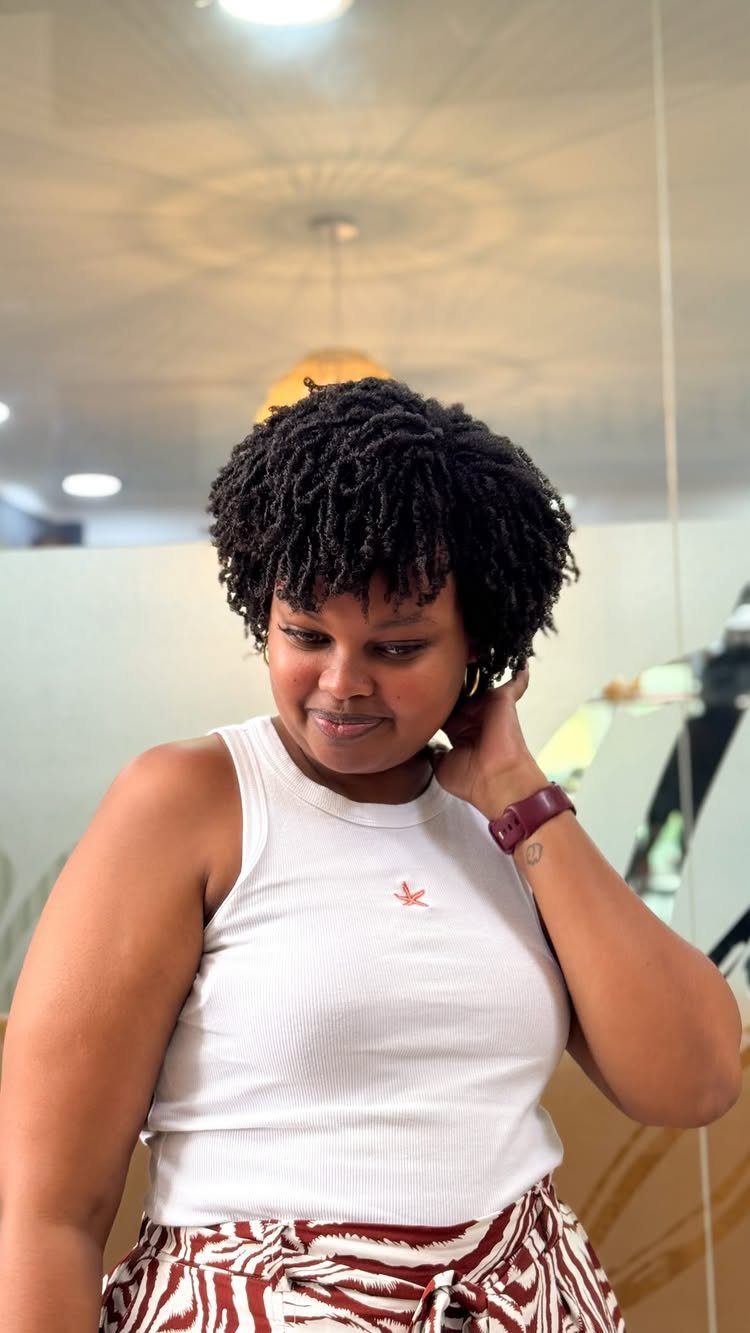
To make finger coils, wrap a small section of damp, product-coated hair around one finger and slide it off, and each strand dries into a tight, defined spiral. On short 4C hair they look neat and deliberate.
With a satin bonnet at night and light moisturizing, coils can hold for about 2 weeks, though frizz usually starts to show by the end of that stretch. Prices start at 2,500/= and depend on the length and volume of your hair.
13. Blowout Beauty
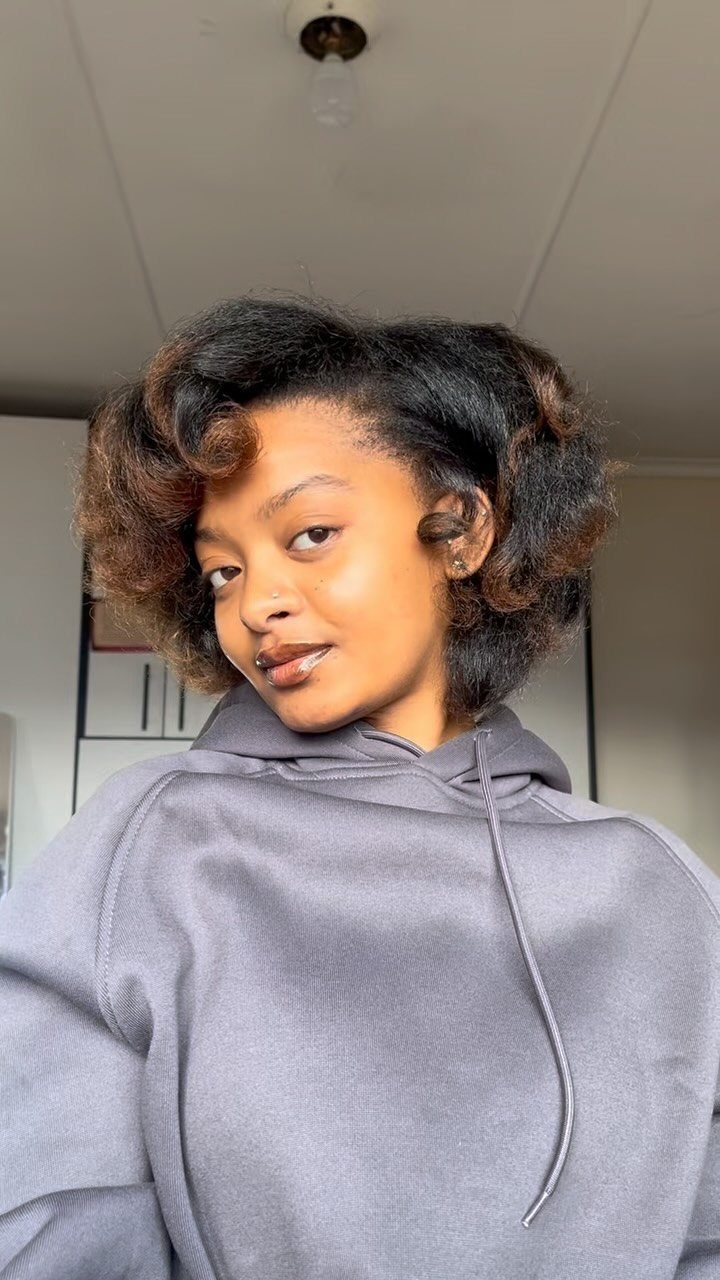
Blow-drying stretches 4C coils into a smooth, full shape, and the volume reads as soft rather than tight. A grey hoodie keeps the look casual, since the hair already fills the space around your face.
Keep the dryer or flat iron on low, spray on a layer of thermal protection first, and work in small sections so the stretch stays even.
I would save this for a few days a month, because repeated heat is the trade-off for that smoothness.
14. Short Curls
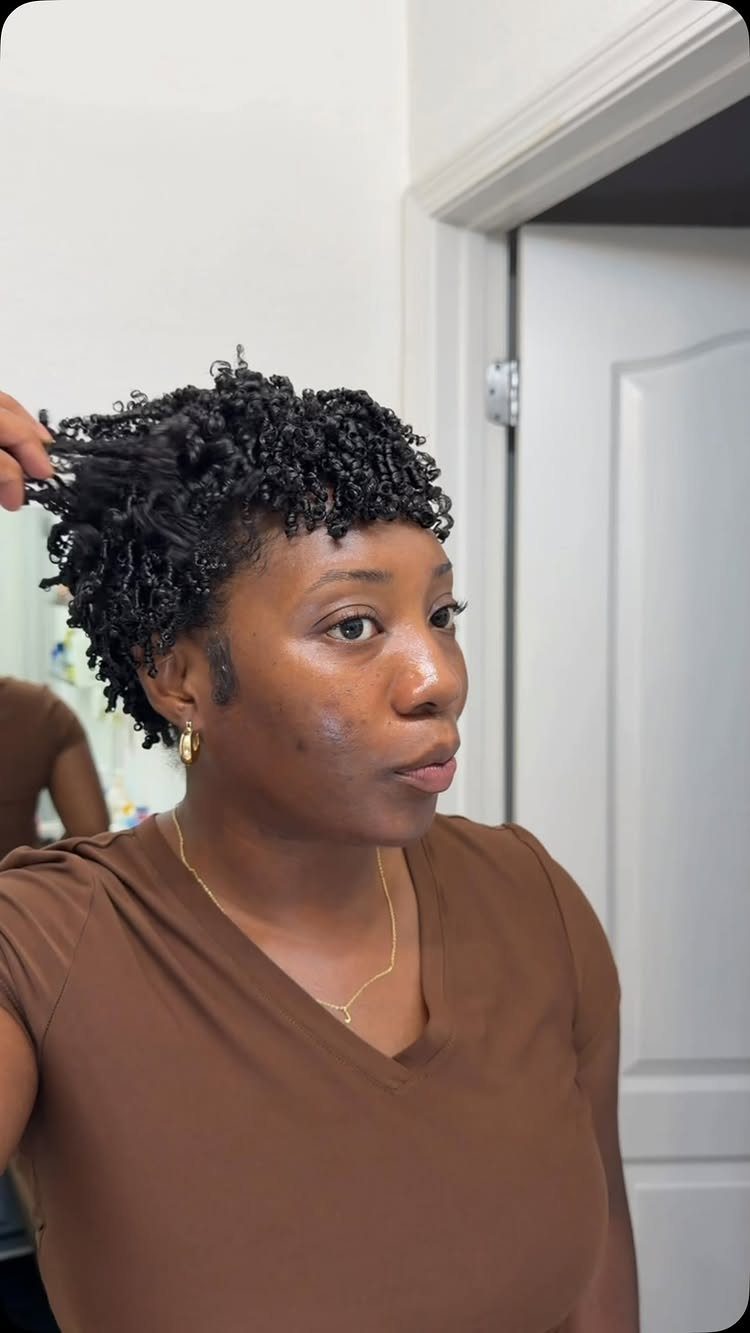
Short, defined curls put the texture front and center, and the cut does most of the work. On 4C hair, a short length also means very little detangling and a quick morning.
According to its maker, this one is a Top 2 style. Brown and gold jewelry suit it well, since nothing hides the neckline or the face.
I would keep the curls damp-defined with a light product and skip heavy creams, which can weigh a short cut down.
15. Triple Puff Mohawk
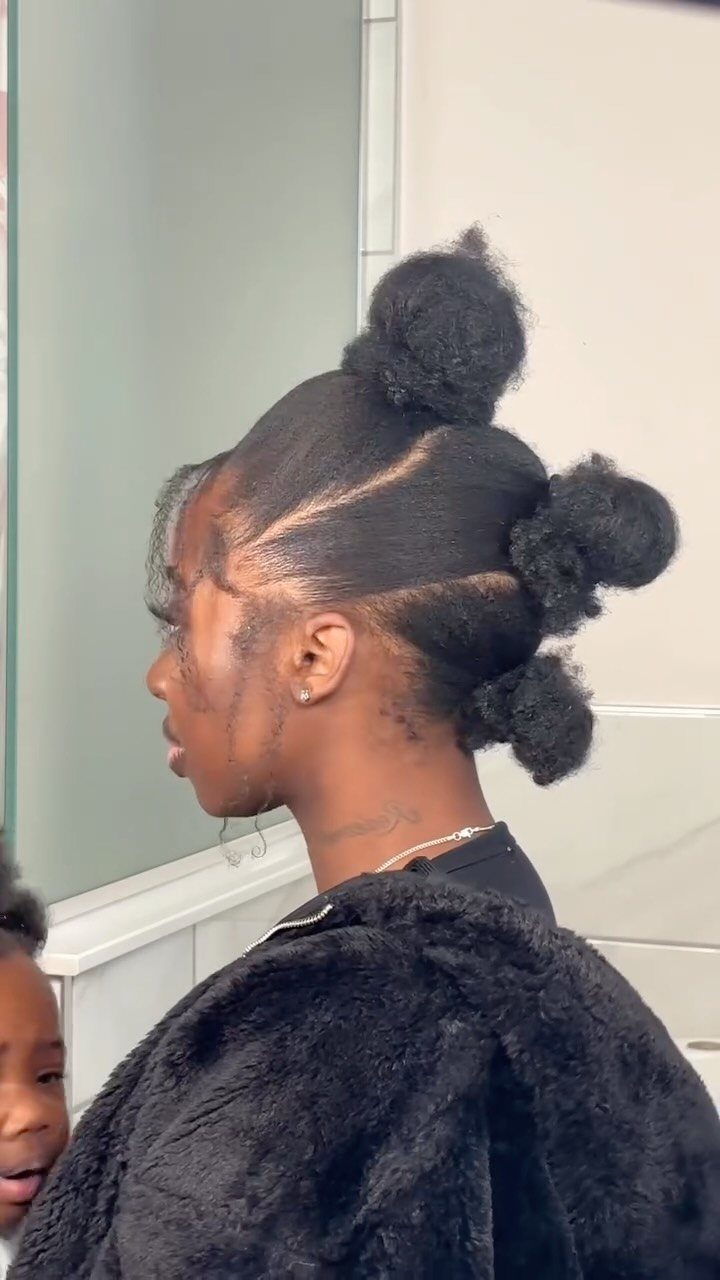
3 small puffs run from the crown to the nape, with sleek edges holding the shape clean along the sides. Space them evenly, because one puff drifting off the center line throws off the whole mohawk.
Its maker did this on a twist-out, and that is the practical lesson: a single twist-out can feed several looks without redoing your hair each morning.
I like it for days when a plain outfit needs something with shape.
Caring for 4C Hair
Dryness is the baseline for 4C hair, not a sign you’re doing something wrong. On tight zigzag strands, scalp oil slides down slowly and stalls at every bend, which leaves the ends drier than they would be on straighter hair.
Moisturize daily, and layer in a set order: water or a water-based spray first, then a light oil, then a cream to hold it in. Layering seals the water in instead of letting it evaporate.
Deep condition once a week. After every wash, I work in a conditioner that stays on the hair, since it gives the strands a layer of moisture to build on.
Of the three habits, the weekly deep condition is the one I’d protect last, because 4C hair is the most porous and the most breakage-prone curl type, and a skipped week shows up in the ends first.
Styling Tips for 4C Hair
Match your styling method to the hair’s state.
Damp hair suits twist-outs, braid-outs, flexi-rod sets and wash-and-gos. Dry hair is better for protective styles that last.
Hydrate before you style, since dry hair snaps under tension.
Mini twists are a good protective option alongside the longer-wear styles, because they reduce daily manipulation and shield the ends.
Comfort is the test for anything installed.
A style that causes pain or pulls hard at the scalp is too tight, and I’d take it out rather than wait. Tension breaks hair faster than almost anything else.
“The elasticity of the strand combined with the curves of the coil gives 4C hair the ability to form and mold into braids, twists, curls, and countless shapes without the use of pins, rubber bands, wax, or gel,” Dr. Williams says.
Understanding 4C Hair
Shrinkage is the surprise for many people. Shrinkage can take off as much as 75% of your real length once hair dries, so a stretched twist-out and a dry puff can look like two different heads of hair.
Judge your length when the hair is stretched, not by how it sits after drying.
Each bend in the zigzag is a weak point, which is why 4C hair breaks more easily than any other curl type. It also tangles and frizzes readily.
Handle it slowly, avoid harsh products, and keep repeated tension to a minimum.
Frequently Asked Questions
Is 4C hair tight or loose?
Tight. By the usual hair-typing scale: 4C sits at the far end of type 4, and its strands bend in sharp Z-shaped angles where looser textures form a clear curl.
Shrinkage can eat up to 75% of the length once it dries, so the same head of hair looks very different stretched than it does air-dried.
How to tell if you have 4a, 4b, or 4C hair?
Look at the pattern of the strand once it’s dry.
4A forms tight ringlets and 4B forms springy coils, while 4C forms a zigzag with little clear curl pattern. 4C is also the densest of the three and shrinks the most, up to 75% of its length.