Your starting point decides which of these shades is realistic: without bleach, dark hair can only go about 2 levels lighter than where it began, and dye can’t lift hair that is already colored, so a new shade over old color only adds to it.
Inside that limit, the options run from a soft dark brown or semi-permanent burgundy tint to midnight blue, golden caramel highlights and solid black, which is the hardest to lighten later.
Anything much lighter than deep purple, burgundy, midnight blue or golden caramel means lightening first, and I’d leave that to a professional.
1. Dark Brown Hair
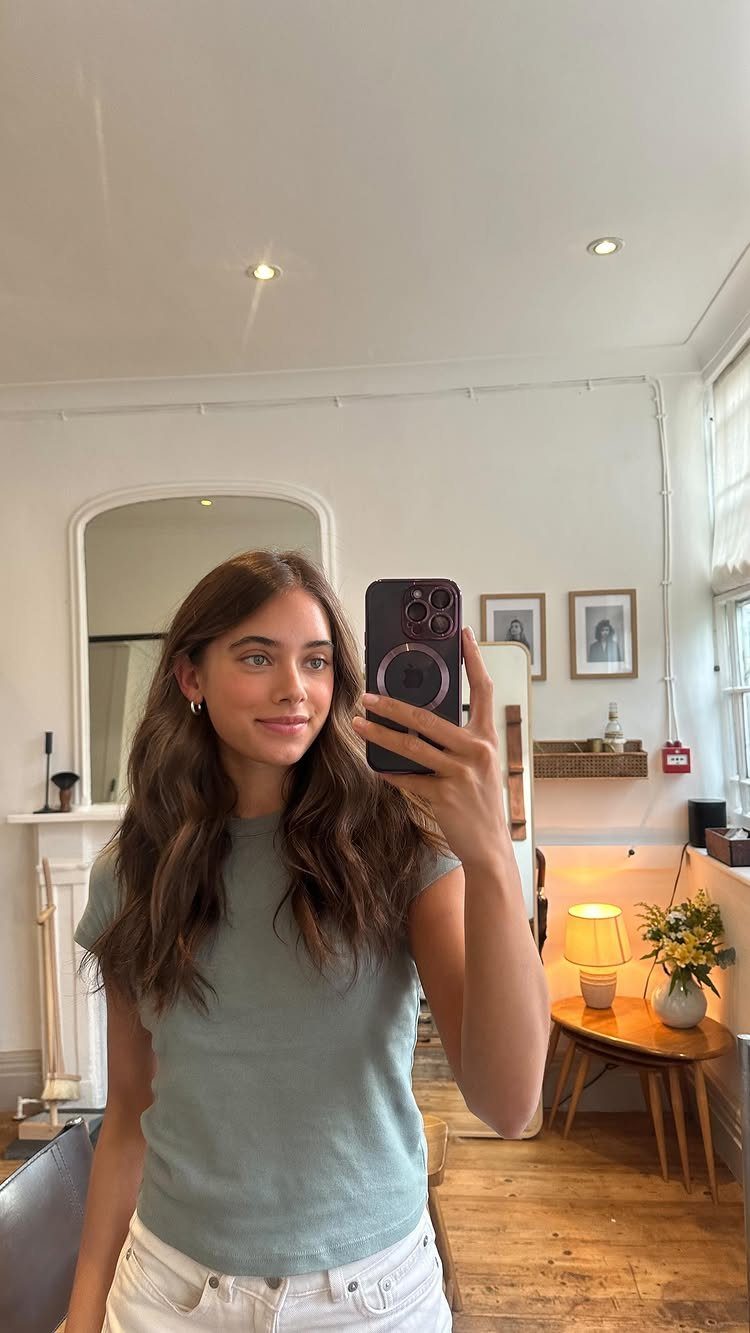
Going dark brown is the easiest jump for dark hair, because brown reads as natural on almost everyone and grows out without a harsh line.
For a shade that looks real in daylight, I’d pick a soft, neutral dark brown over anything labeled "espresso," which can turn flat and inky at home.
Long waves show off the depth of this color, since light catches the layers. The one thing to accept is that fully brown hair feels different at first, especially after lighter color.
2. Black Hair
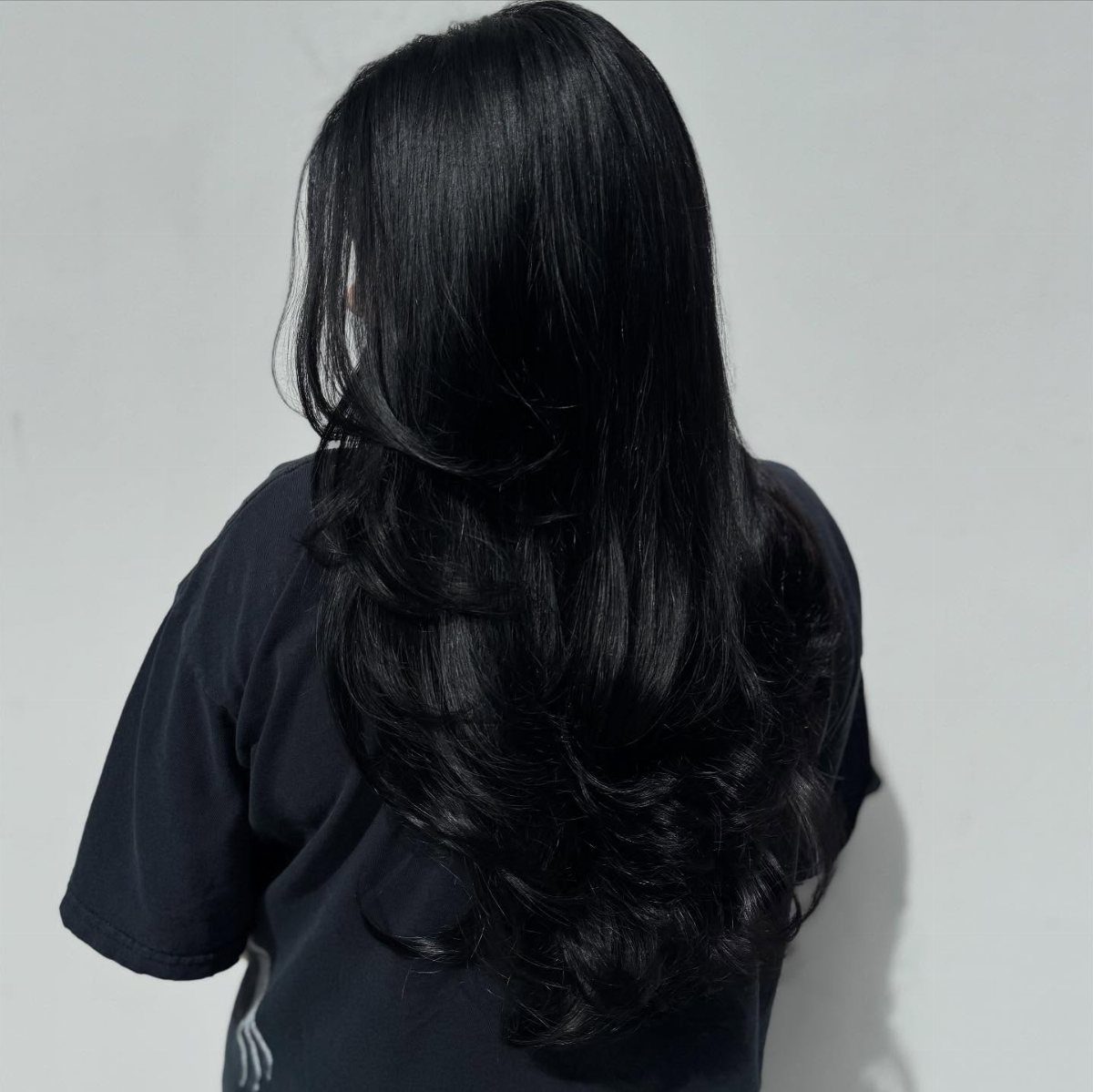
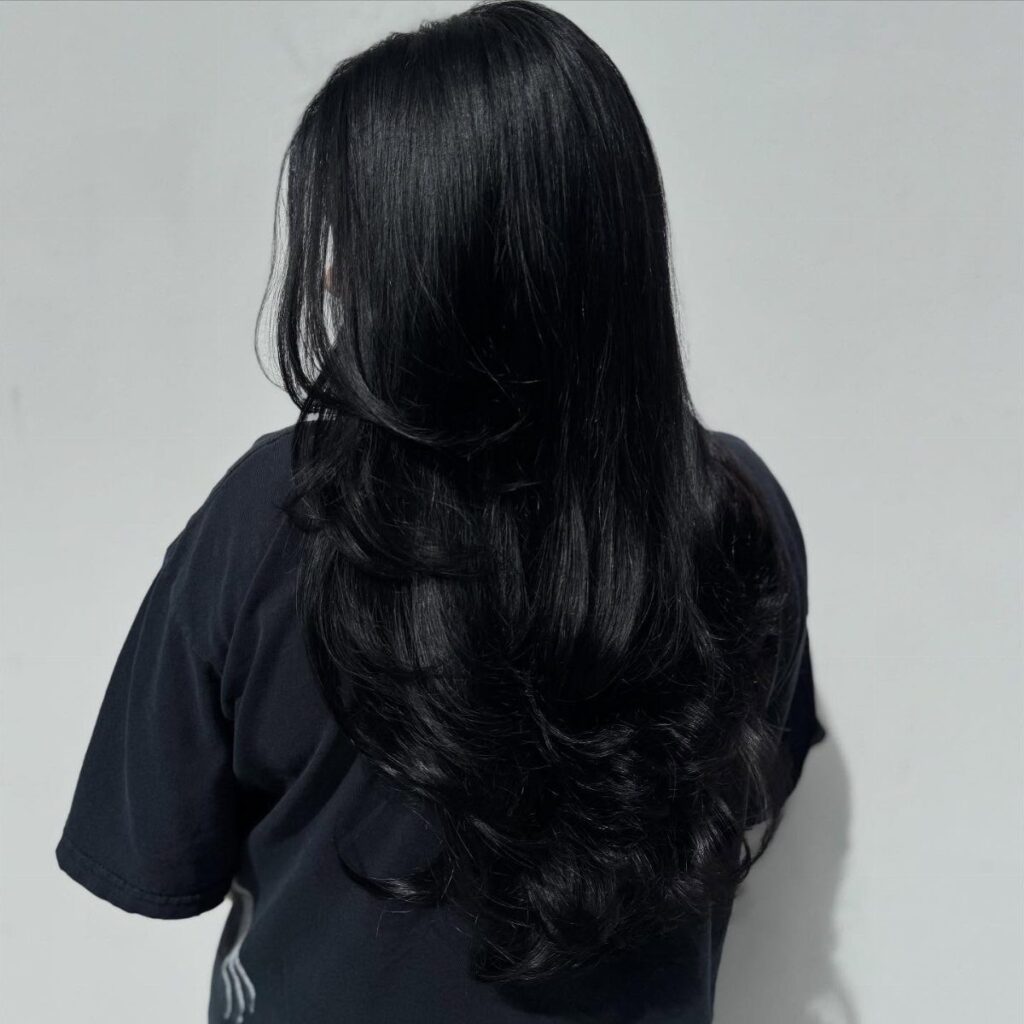
Black is the darkest option here, and the finish it gives is solid and glossy rather than subtle. On long waves, it makes every curve of the hair look defined.
Choose it only if you’re happy with a strong, committed look. Black is harder to lighten later than any other shade, so I’d treat it as a long-term choice.
3. Semi-permanent Hair Dye
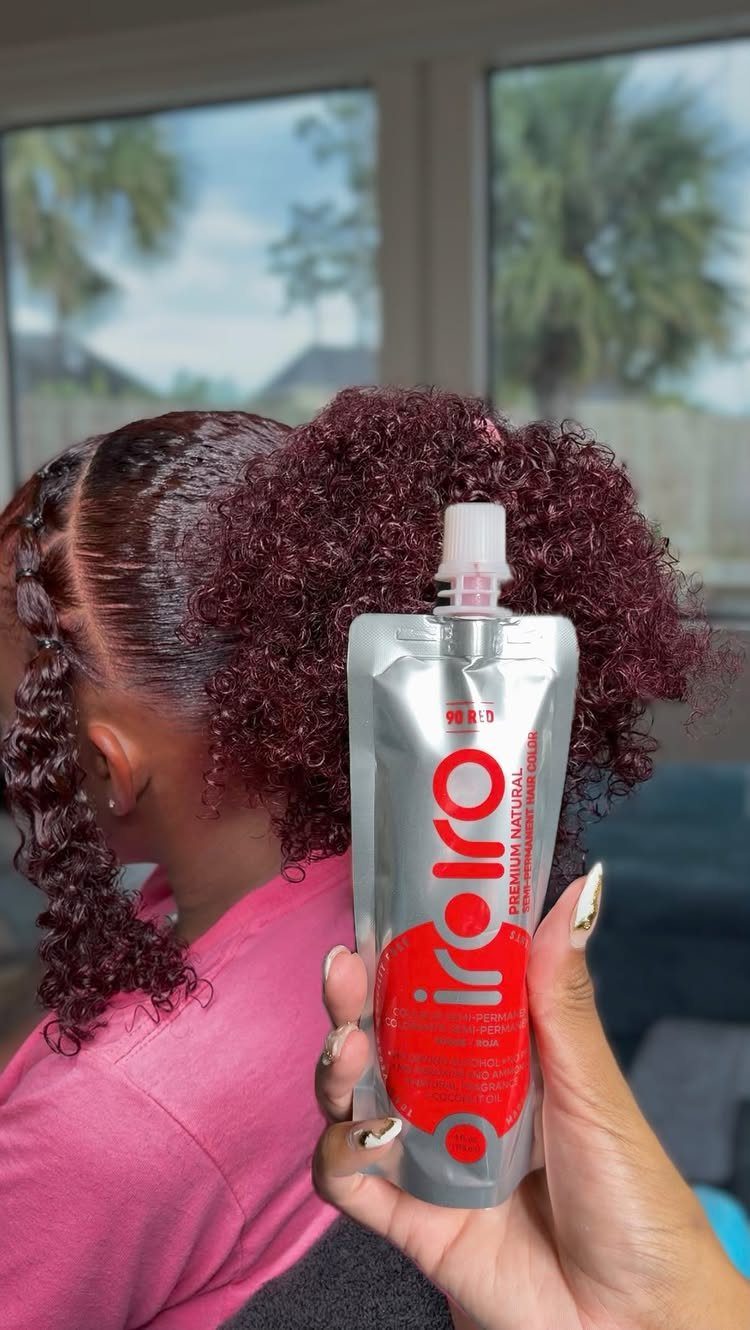
Semi-permanent dye is my pick for anyone nervous about commitment, because the color fades gradually instead of leaving a hard regrowth line.
It suits dark hair best when you want a tint of red or burgundy rather than a dramatic change.
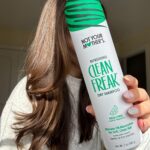
Look for a natural, vegan formula made with coconut oil, like the one this maker sells, since it tends to be gentler on hair that has already been colored.
That kind of gentler formula appeals to me, though expect a softer result than permanent color gives.
4. Warm Skin Tones with Warmer Shades
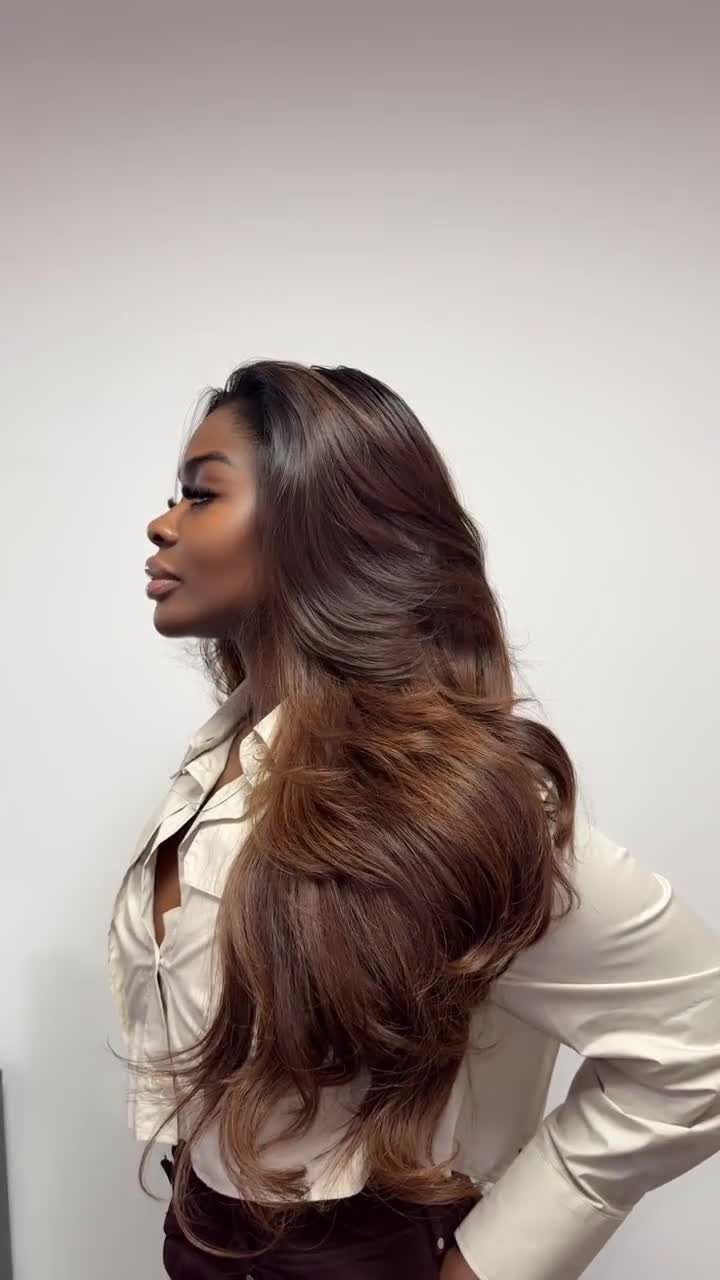
Warm skin tones tend to look best with warm hair: golden browns, chestnut and caramel tones that echo the undertone in your face. Cool ash shades can make a warm complexion look sallow, so I’d skip them.
Check your wrist in daylight.
If your veins look greenish and gold jewelry flatters you, go warm. Golden highlights through long brown waves, like these, add glow without a big change.
5. Deep Purple for Dark Hair
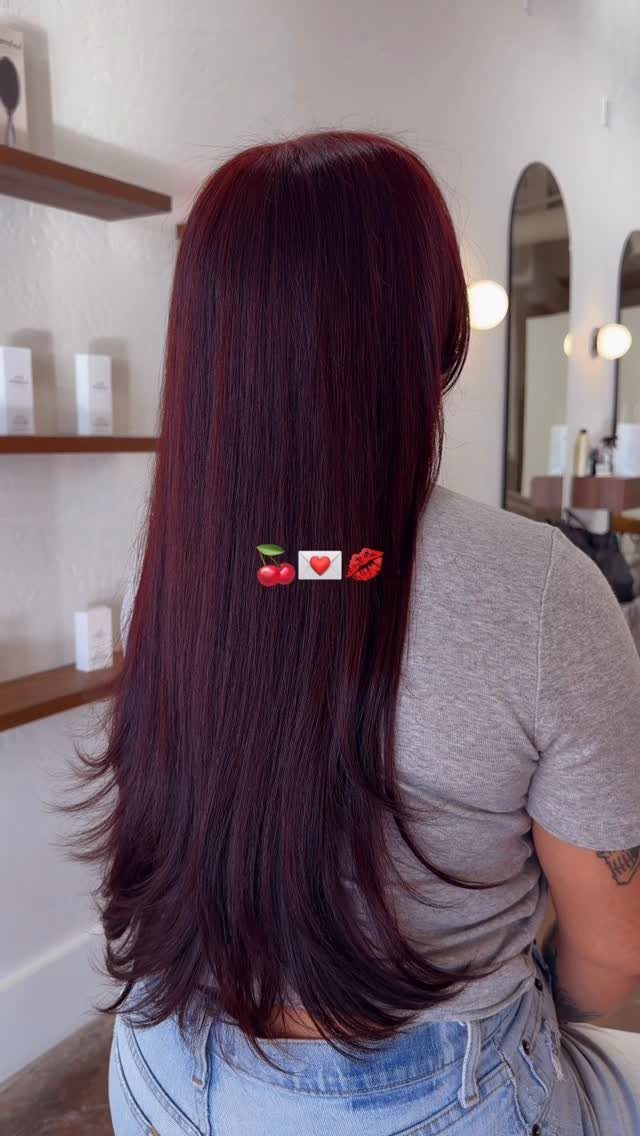
Deep purple works on dark hair because it shows as a rich tint in the light, not a neon block. To get it vivid, dark hair usually needs lightening first.
Lift depends on your starting point. On a natural level 2 with no previous color, permanent dye with 25 volume developer lifts roughly 2 levels, so a deep purple on dark hair will read as a subtle tint rather than a bright shade.
That’s a sensible target for a purple or burgundy base, and I’d have a pro handle it.
6. Burgundy and Red Tones
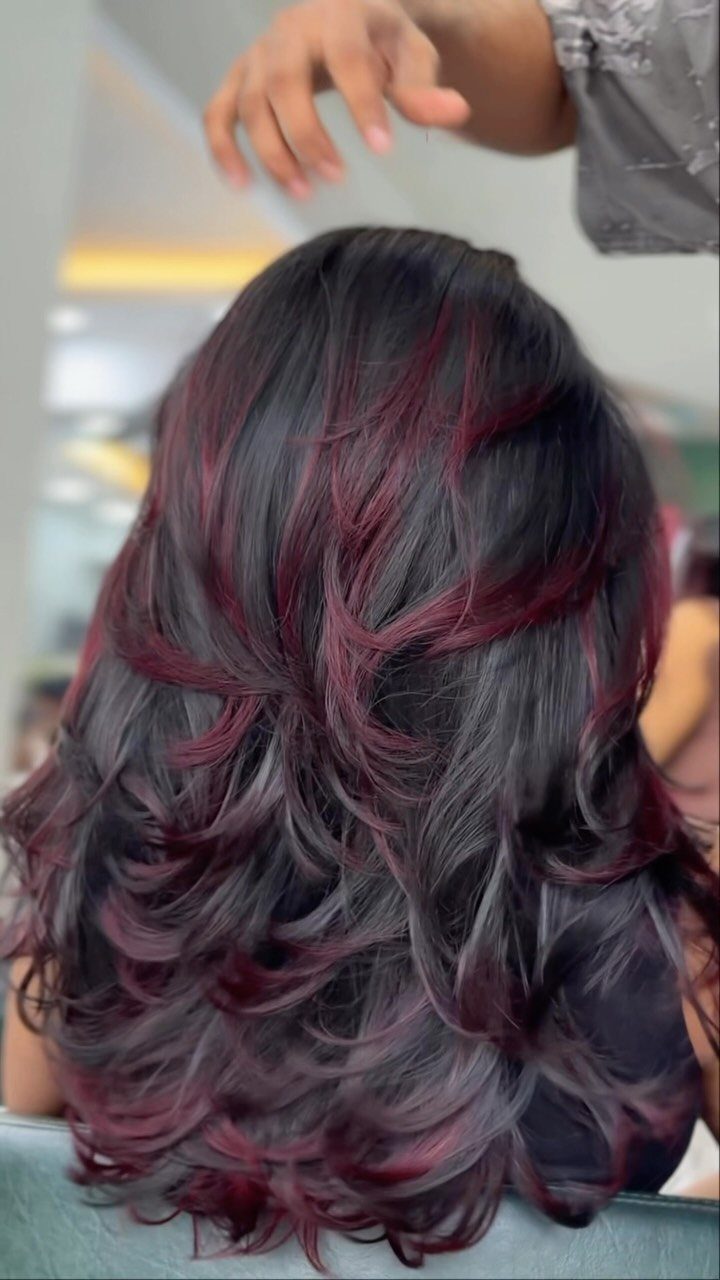
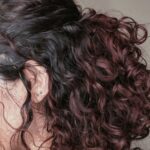
Burgundy and red tones give dark hair a warm contrast, especially as highlights woven through the length. Against a dark base, they read as deep wine instead of bright red, so the color stays wearable at work.
Placement matters more than the exact shade. Soft, scattered pieces around the face look best on long waves, and the dark base keeps regrowth far less noticeable than a full red.
7. Midnight Blue Dye
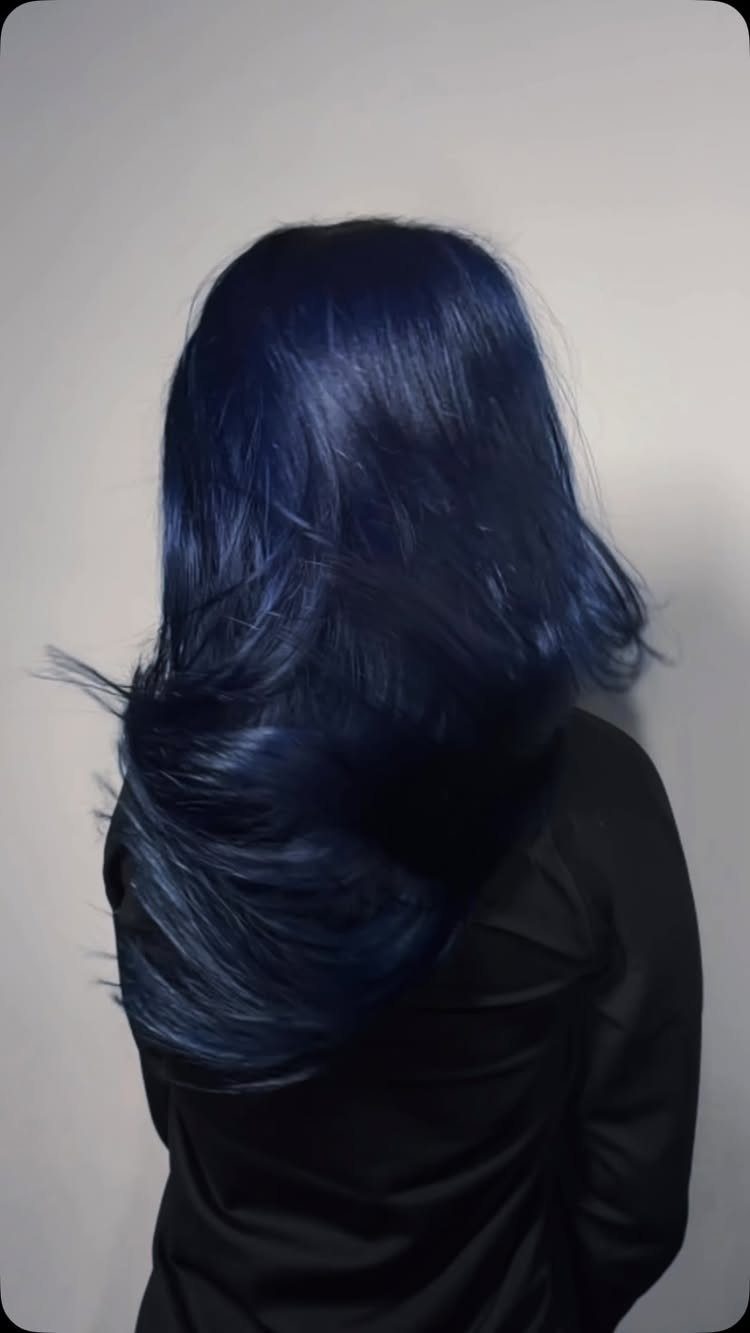
Midnight blue is black’s quieter cousin: on dark hair it reads as a deep, inky tint that only shows its color when light hits the waves. Indoors, it can pass for black.
That subtlety is why I like it for work and everyday wear. Long, wavy hair gives the color room to shift as it moves, so the blue appears in flashes rather than as one flat block.
Expect some lightening first for a clear blue, since blue won’t show much on a very dark base. I’d lean on the semi-permanent route from earlier if you want to test it.
8. Golden Caramel Highlights
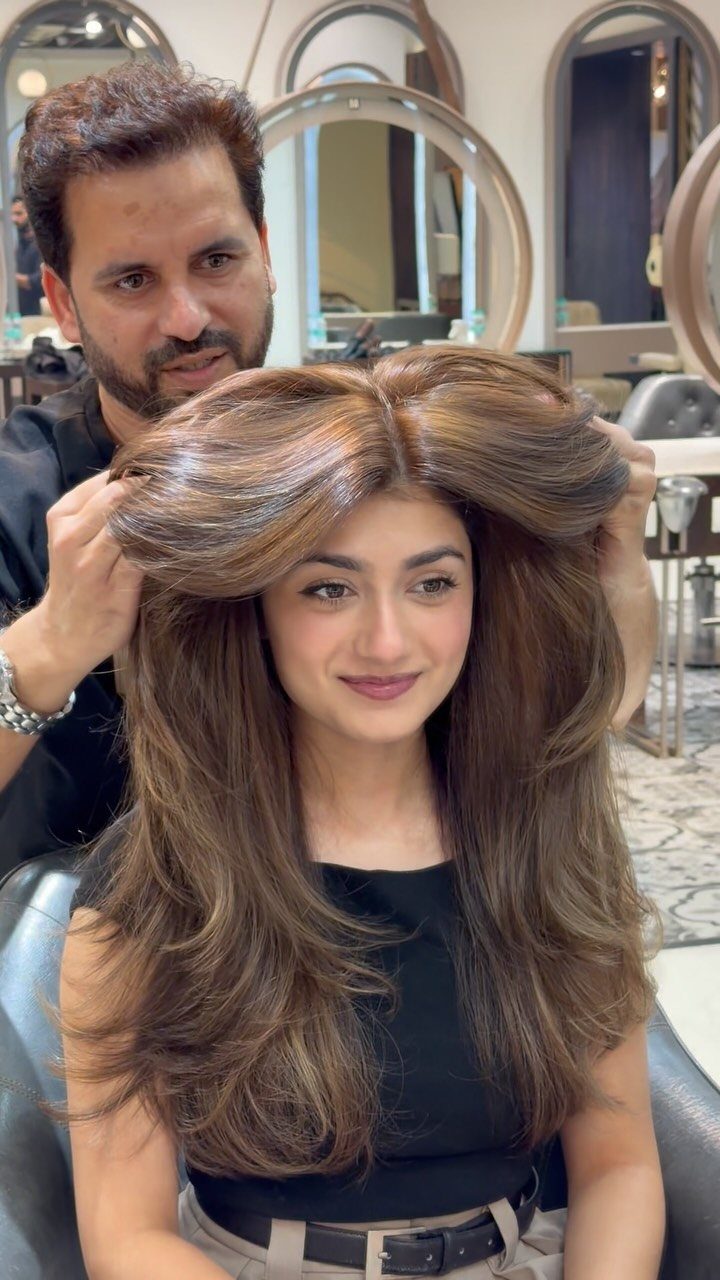
Golden caramel highlights, blended into a dark brown base, are the warmest way to brighten dark hair without going blonde. Softly blended pieces look best, because they add dimension instead of stripes.
Volume helps this color show off, since every layer catches the light differently.
Blending is the part worth paying a salon for, because a colorist can feather the caramel into dark roots so there’s no hard line as it grows out.
If your skin runs cool, ask for a softer, less yellow gold.
Benefits of Dyeing Without Bleach
Staying close to your natural depth is the easiest way to protect your hair. Skipping bleach means less stress on the hair fiber, so strands tend to feel smoother and look more reflective.
Maintenance gets lighter too. A dark base makes new growth much less obvious at the part, so you can stretch the time between touch-ups.
Since the color sits close to your natural shade, the finish keeps some depth and variation from root to end, and it reads as real hair instead of a flat single tone. At-home formulas make this a low-cost, beginner-friendly route.
Without bleach, the limit is about 2 levels lighter than where you started, so keep your choices inside that range.
Dye can’t lighten hair that is already colored; a new shade over old color only adds to it, since color doesn’t lift color. Check where your hair stands now before you pick a box.
The best at-home black hair dyes gave sleekness and shine, were easy to use, deposited intense color, and didn’t damage strands.
— Glamour
Application Tips for Hair Dye
Before you mix anything, decide where the color goes: all over, in face-framing money pieces, or in a few peekaboo panels underneath. A partial plan is a good way to test a shade.
Work the dye into dry hair one section at a time, coating everything from the roots down to the ends.
Then follow the timing on the box, usually 15 to 30 minutes. Within that window, a longer wait gives a more intense result, so I’d stay inside it and never go past it.
Expect a deeper, more muted result the darker your starting hair is. Pastels only show up on hair that has been lightened first, so if you want a very soft shade, I’d pay a professional to handle the bleaching.
Color Fading and Maintenance
Dark, saturated shades look best when the routine behind them is built on color-safe formulas. A shampoo and conditioner made for colored hair help keep the color glossy, soft and fresh for longer.
Treat the products as part of the dye job, not an afterthought. I’d buy them at the same time as the color so they are ready for the first wash.
Frequently Asked Questions
What hair dye shows up best on dark hair?
Deep, rich shades show up best: burgundy, wine red, deep purple and midnight blue read as a tint in the light instead of a flat block.
Dark hair mutes color, so the closer you stay to your natural depth, the truer the result.
Vivid purple and blue need a lighter canvas, so plan on bleaching or lifting a few levels before you apply them; on near-black hair, the color mostly disappears.
Why do hairdressers say not to use box dye?
A box shade only deposits pigment, so putting a lighter one over old dye won’t lift anything; the result is usually darker, muddier, and harder to correct later.
Results also run deeper and more muted on dark hair, and pastels won’t show without bleaching first. For lightening, blending or anything beyond about 2 levels, a professional handles it better.