Your cause of hair loss decides which option fits: a widening part from genetic thinning calls for a different plan than shedding after a fever or surgery, so I would sort out the cause before buying anything.
Whatever you choose, stick with it consistently, and if you are unsure which cause applies to you, a professional can sort that out before you spend more.
1. Minoxidil

Minoxidil 5% is the only option here that is an FDA-approved topical for hair regrowth, which is why it sits at the top.
Foam is the format many women find easier to apply than a liquid, since it doesn’t drip down the forehead.
Apply it to a dry scalp, part the hair so the product lands on skin rather than strands, and keep it consistent.
Expect a slow timeline; I’d plan on months, not weeks. Shedding can come first, and the product only works while you keep using it.
2. Red Light Therapy Device
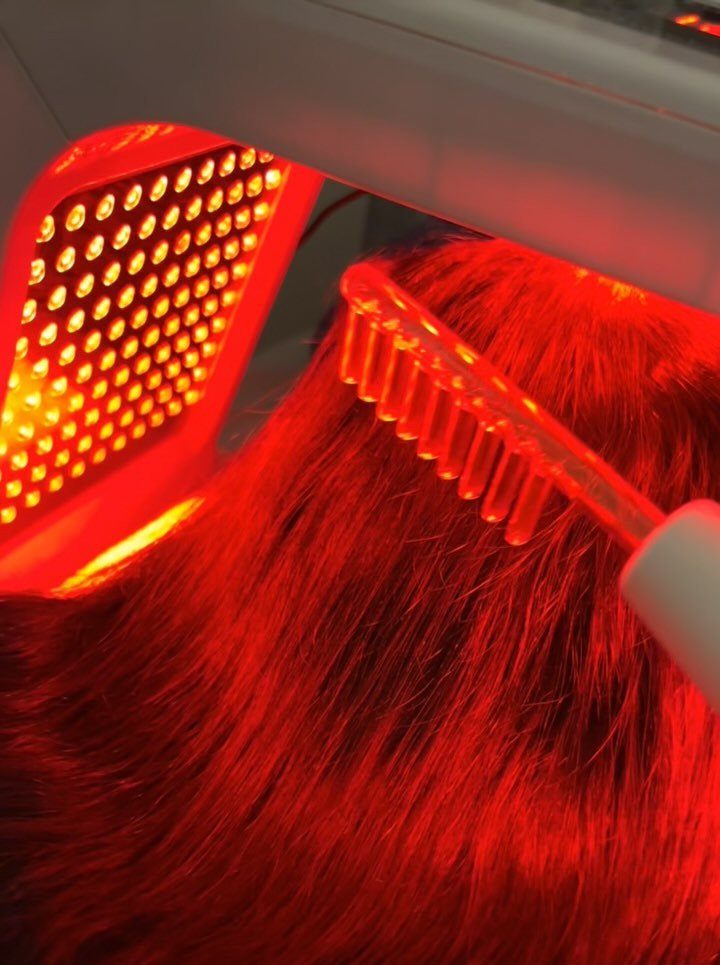
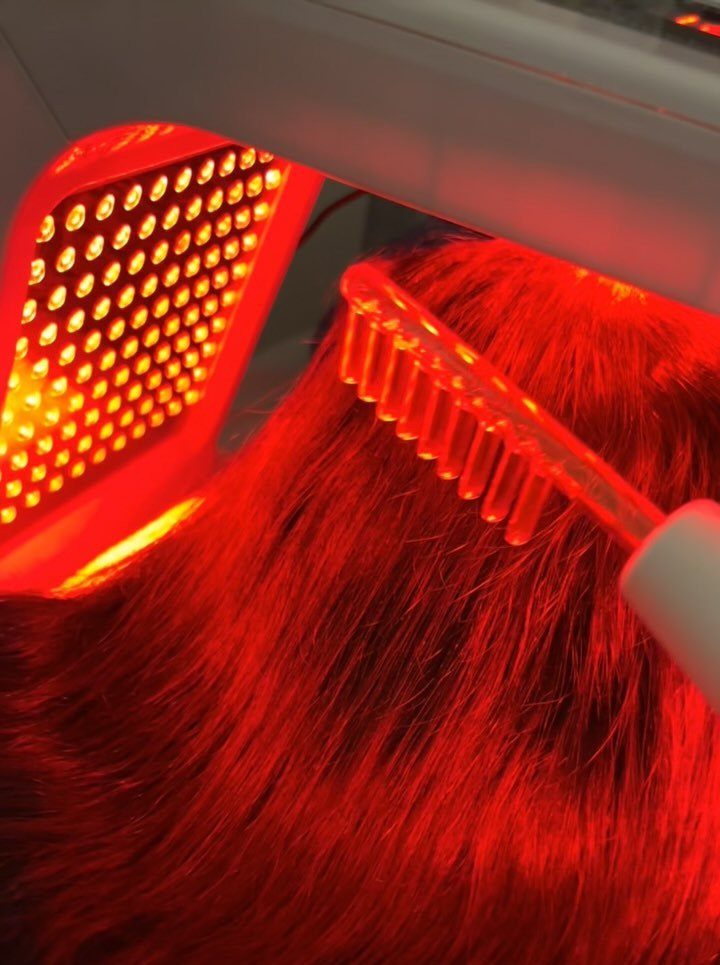
A red light device works on the follicles directly, with no product to apply. Red light therapy comes in 2 formats: a comb you glide over the scalp and an LED panel that sits over the head.
I lean toward the comb for daily convenience, since you can section dark hair and reach the scalp itself. A panel covers more area at once, though it costs more and takes up space.
Hair in the way blocks light, so part it often. Check the maker’s session length and frequency, then stick to it.
3. Hair Growth Vitamin Gummies

Gummies are the easiest habit of anything here, and that ease is both the appeal and the limit. Keep a bottle of hair vitamins next to your hairbrush so you take it at the same time every day.
I treat them as support, not a fix. Read the label for what each serving contains, and compare it with what your diet already provides.
Gummies are a supplement, not an approved treatment, so I’d pair them with something else that has stronger evidence behind it. Check with a doctor first if you take other medications.
In addition to vitamin B7 (biotin), the supplements include marine collagen peptides to help strengthen and hydrate, adaptogenic ashwagandha to calm stress hormones’ effects on hair growth, and saw palmetto, which combats thinning by reducing the hair-thinning hormone DHT.
— Vogue
Causes of Hair Loss
Before choosing a treatment, figure out which kind of hair loss you have, because the cause decides what helps.
Genetic pattern loss is the most common type in women. Pattern thinning tends to start with a part that looks wider than it used to, then spreads across the crown, or the whole head thins evenly.
Other causes are easy to miss. A pregnancy, a high fever, surgery or another major physical stress can push many hairs into the shedding phase at once.
Hormonal shifts and stress can too. Tight hairstyles cause traction alopecia, which comes from constant tension on the follicles, so loosen ponytails and braids if you wear them daily.
Alopecia areata works differently, since it is an autoimmune condition where the immune system mistakenly attacks the follicles. Compulsive hair pulling, called trichotillomania, is a mental health condition and deserves its own kind of care.
Take a photo of your part every month or so. It shows change more honestly than a quick look in the mirror.
Consistency in Treatment
Plan on a long runway. Treatments with real evidence behind them work slowly, and I’d plan on daily use for several months before you see any change in the mirror.
Expect minoxidil to take somewhere between 6 and 12 months before regrowth shows. Finasteride, which requires a prescription, generally needs around 4 months before growth starts to improve.
Set a reminder, or tie each step to something you already do, like brushing your teeth. Skipping days is the usual reason a good product seems not to work.
Take a photo of your part in the same light on the same day each month. Judging by memory will make you quit too early, and a photo log gives you something real to compare at the 6-month mark.
Consulting Professionals
See a board-certified dermatologist if you notice a widening part, patchy loss, or shedding that doesn’t settle down. Several causes look alike on the surface, and treating the wrong one wastes months.
A dermatologist can tell pattern loss from an autoimmune condition or shedding after illness, and can talk through prescription options such as finasteride.
Bring a list of everything you take, including supplements, plus photos showing how your hair has changed over time.
Ask what timeline to expect and when to check back, so you know when a treatment has had a fair trial.
Frequently Asked Questions
What is the best thing to use for hair growth for women?
Minoxidil 5% is my pick, since it is the only topical here that the FDA has approved for regrowth.
Most women find the foam version simpler to apply, because liquid tends to run down the scalp and foam stays put. Expect months of daily use, and know that results fade if you stop.
Can female hair loss grow back?
Often yes, but it depends on the cause. Treatments with real evidence, such as minoxidil, can bring regrowth, though it takes about 6–12 months to show.
Shedding after illness, pregnancy or stress is different from pattern loss, so a board-certified dermatologist can tell you which type you have and what to expect.
How do I make my hair grow faster as a female?
No product speeds growth overnight, but consistent daily use of a proven treatment gives the best shot.
Minoxidil and red light devices are the options with the most behind them, while gummies play a supporting role. Loosening tight ponytails and braids also helps, since constant tension on the follicles causes traction alopecia.