Hair grows slowly, so the ideas here run from a gummy with 2,500 mcg of biotin to salon massage and scalp microneedling, and the cost, effort and clinical level climb with each step.
Your best pick depends on what is holding your length back: shedding after a stressful stretch, breakage from brushing, or a scalp that needs care, and genetics sets the ceiling on all of it.
Genetics sets the ceiling on length, so protecting what you already have often beats chasing speed.
1. Biotin Supplements
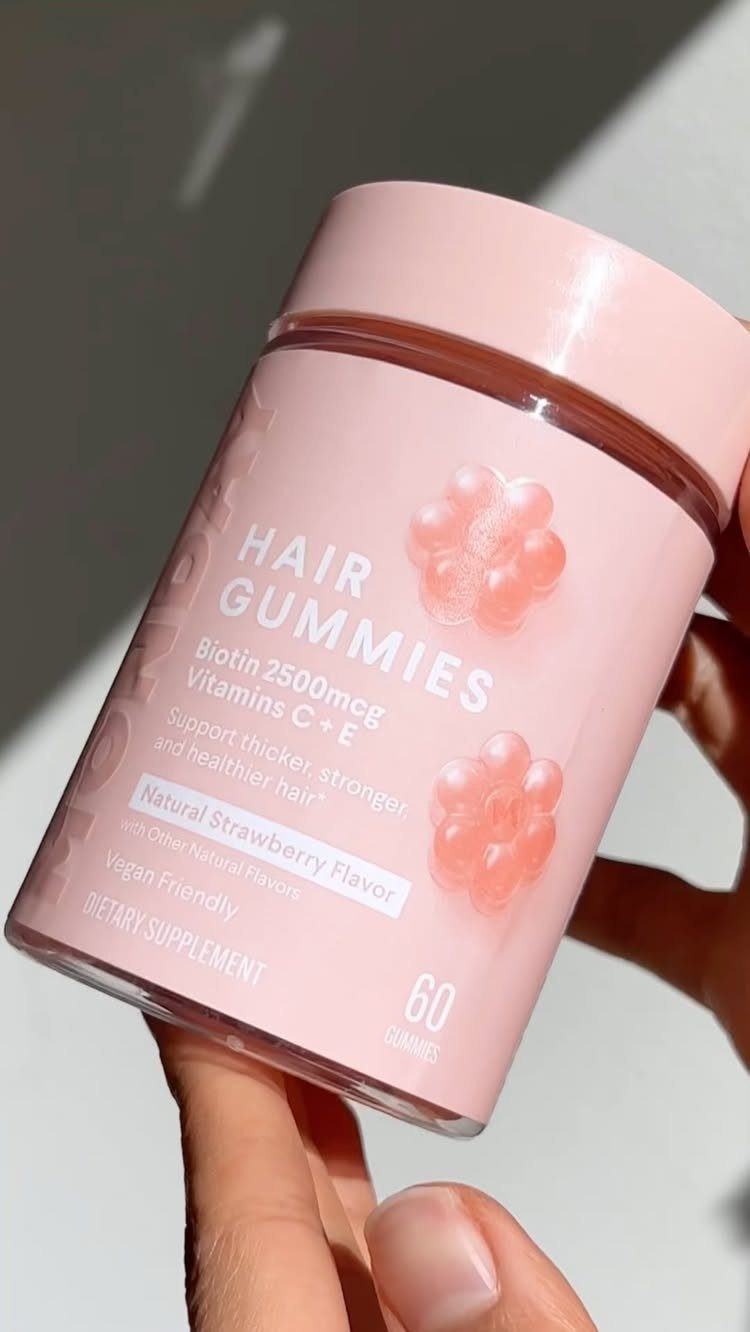
A gummy with 2,500 mcg of biotin plus vitamins C and E is an easy format to stay consistent with, and a vegan strawberry flavor helps it feel less like a chore.
Consistency matters more than strength, so I’d pick the form you will actually remember to take.
Gummies trade away some convenience for taste, and I’d still check the label for the dose before buying. Hair grows slowly, so give any supplement months, not weeks, before you judge it.
Vitamins B and D factor big in healthy hair. So do zinc, omega-3 fatty acids, and the B vitamin biotin.
— WebMD
2. Protect Your Hair While You Sleep

Seven to 9 hours of sleep a night is the baseline here, and a satin bonnet on a satin pillowcase protects your hair while you get it.
Satin lets hair slide instead of catching, so long strands aren’t rubbed against the pillow as you turn. I like pairing the two: the bonnet holds your hair in place, and the pillowcase covers you if it slips off.
Tie the bonnet snug but not tight, so it doesn’t pull at your hairline.
3. Light Therapy Scalp Comb
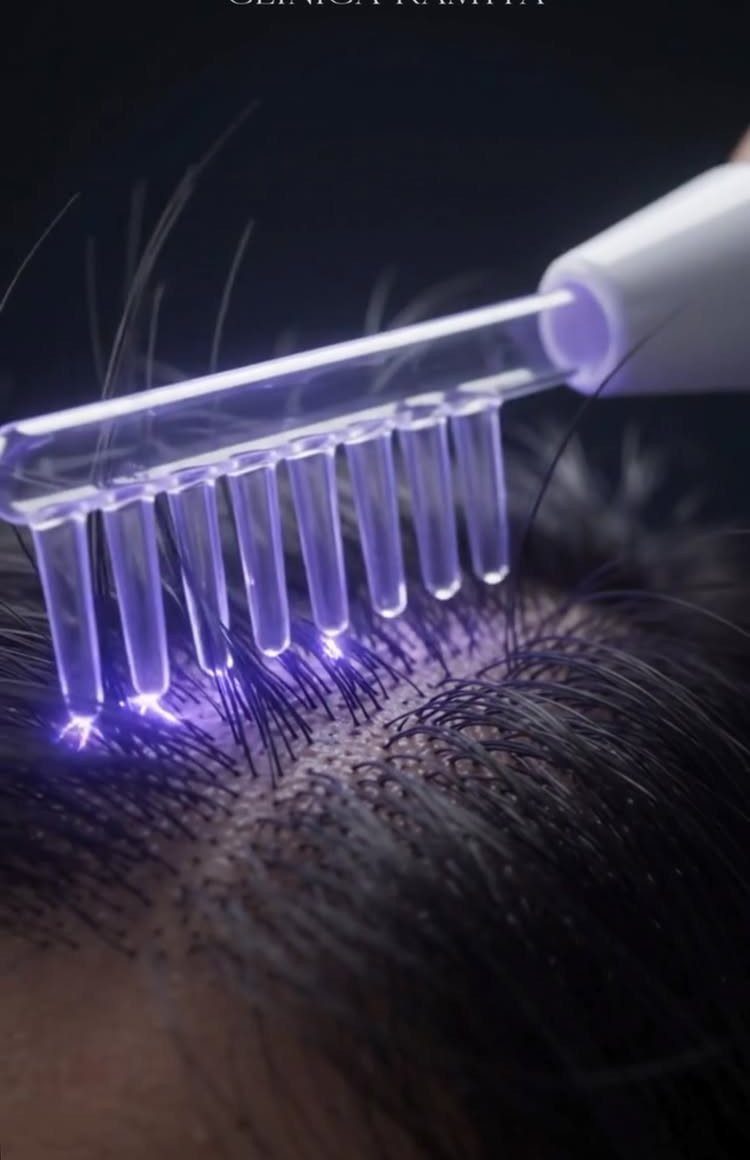
Purple light from the teeth of a comb is the whole appeal: you part your hair and run the comb directly along the scalp, so the light reaches skin instead of just strands.
For busy schedules, this is a low-effort habit you can do while watching TV. Go slowly, section by section, so the teeth actually touch your scalp.
The cost and the schedule vary by device, so read the instructions for your comb. Hair growth takes months, so give a light therapy comb a long, steady run before judging whether it works.
4. Professional Scalp Massage
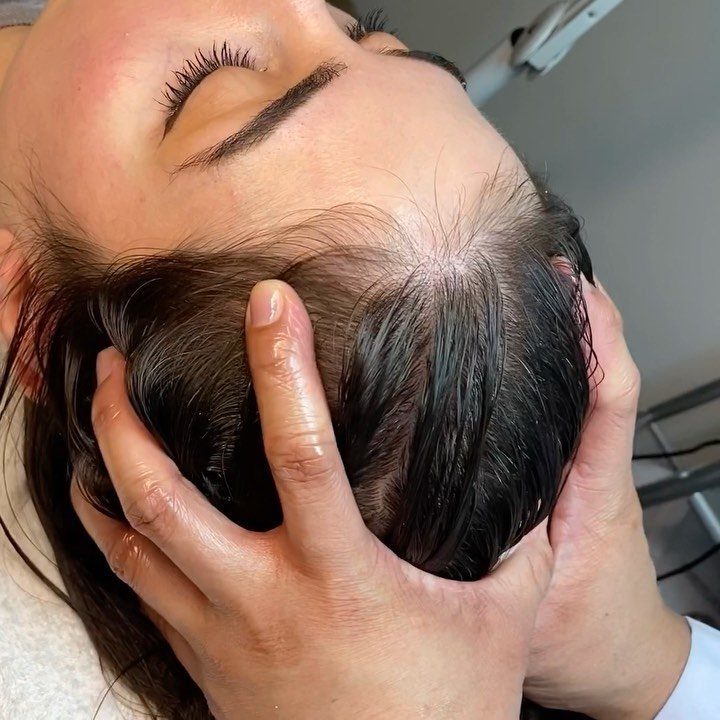
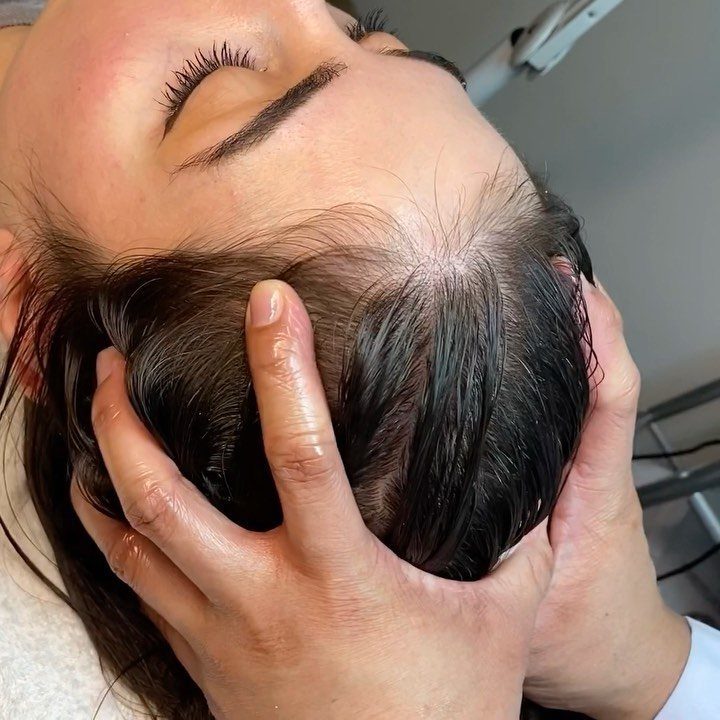
Salon scalp massages are the splurge version of something you can do at home, and a trained technician covers your whole scalp with steady, even pressure.
I’d book one as a treat, then repeat it between visits with your fingertips, using small circles. A professional session costs more than home care, and that’s the trade-off: you pay for the technique and the relaxation.
If you go, ask the technician to work across your entire scalp, not just the crown.
5. Scalp Microneedling Treatment
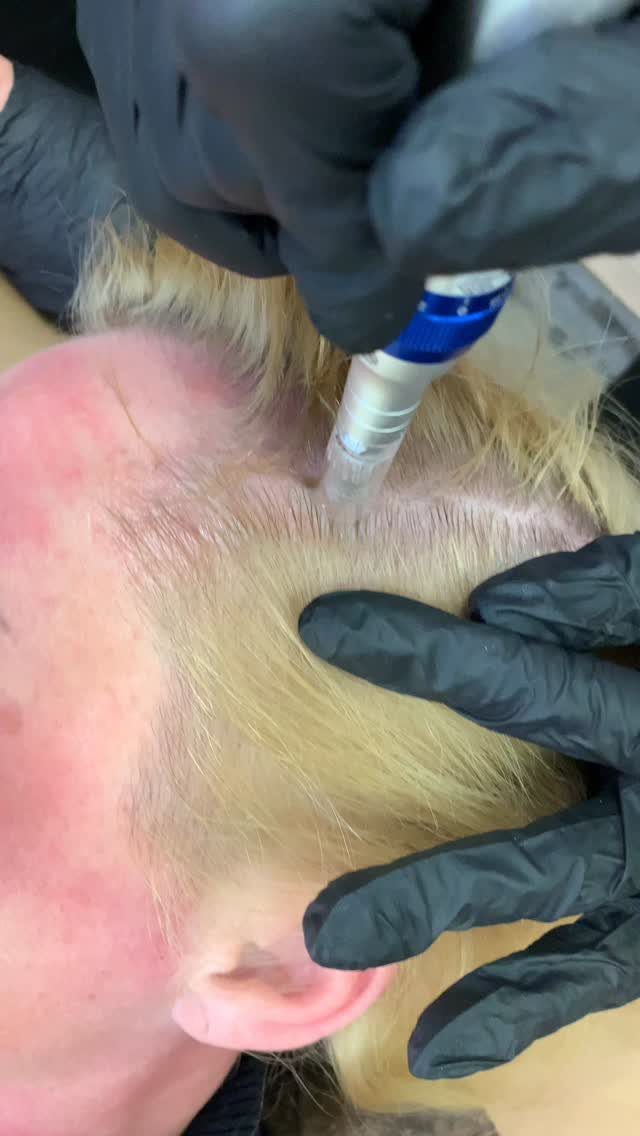
Microneedling on the scalp uses a device with tiny needles, and a practitioner in gloves works it along the hairline and scalp. This is the most clinical idea on my list, so I’d keep it in professional hands.
Book a consultation first, and ask about hygiene, how many sessions you would need, and the total cost. It costs more than a spray or a comb, and there can be some irritation afterward.
Skip it if your scalp is already sensitive or inflamed, and ask a dermatologist first.
6. Applying Topical Hair Growth Spray

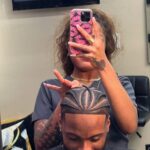
Spraying a growth treatment directly onto the scalp works best when you part your hair into sections, as braids make easy. The liquid then lands on skin, not on the length of your hair.
Mist along each part, then use your fingertips to spread it. I’d apply it on a regular schedule, ideally at the same time each day, since a spray only helps if you keep using it.
Follow the directions on your bottle for amount and frequency. Results take months, not days.
7. Gentle Brushing with Paddle Brush
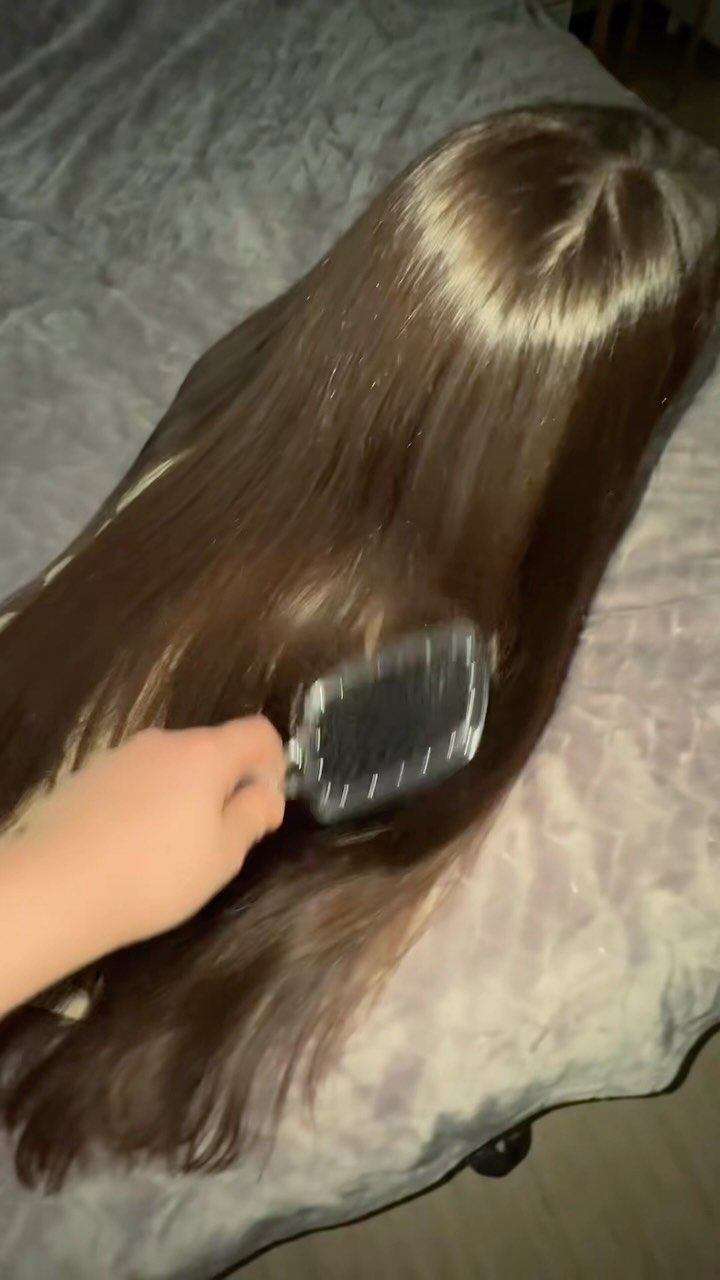
A wide paddle brush spreads the pull across a lot of hair at once, so it suits long, straight strands best; on dry, tangled hair, I’d work through the ends first and then brush from the roots down.
Fewer tugs on each strand means less breakage, and breakage is what keeps length from showing up.
Work from the ends upward in small sections, then finish with full strokes from root to tip once the tangles are gone. Brush slowly, and hold the hair above a snag so your scalp isn’t doing the pulling.
Paddle brushes can feel slower on very thick hair, and that’s the trade-off I’d accept for less damage.
Importance of Scalp Health
Hair grows from follicles in your scalp, so a scalp clogged with excess oil, sweat, dead skin and product buildup works against you. A clean, calm scalp gives follicles a better place to work.
Washing more often won’t make hair grow faster, but regular cleansing keeps irritation down.
How often depends on your hair. Fine, straight hair usually needs washing more frequently than thick, coarse hair, so adjust to what your scalp tells you: itchy or greasy means wash sooner.
Impact of Stress on Hair
Cortisol, the stress hormone, drives much of this, and it can cut the growth phase short.
The shedding often shows up after a stressful stretch, as sudden thinning or more hair in the brush. So if you notice that, think back over the past few months before blaming your products.
Stress relief is worth treating as part of your routine.
Eating regular, balanced meals with enough protein is a sensible first step. If shedding continues after you’ve settled things down, see a specialist.
Role of Genetics in Hair Growth
Your genes mostly set how long each strand stays in its growth phase, which puts a cap on how long your hair can get. Age, hormones, nutrition, illness, medication and stress also play a part.
The differences show up in how that growth looks and in how well the hair keeps its length instead of breaking off.
Shrinkage makes curly and coily hair look like it grows slowly, and those textures also tend to snap more easily. Heat, chemicals, tight styles and friction can also snap hair as fast as it grows.
So protecting the length you have often matters more than chasing speed you can’t change.
Frequently Asked Questions
Can hair grow faster with supplements?
Supplements can support growth if you’re low in a key nutrient, but evidence that they speed hair up is limited. A pill only helps when it fills a real gap, and it can’t replace balanced meals.
How to stimulate hair growth in females?
Start with the scalp: keep it clean and calm, since follicles work better there. Wash as often as your hair type needs, which is more often for fine, straight hair and less for thick, coarse hair.
For thinning, minoxidil (sold in the US as Rogaine) is a topical medicine that can stimulate growth in adults. Gentle brushing, a satin pillowcase and managing stress also help you keep the length you grow.
What is the most effective hair regrowth treatment?
Minoxidil and low-level laser therapy are among the most effective options.
Minoxidil is an FDA-approved topical that extends the growth phase and enlarges shrunken follicles. A light therapy comb run along the scalp is the at-home version of laser therapy; give either one months of steady use before judging results.
Can I grow 2 inches of hair in a month?
No. At that pace, 2 inches means waiting about 4 months, not 1.