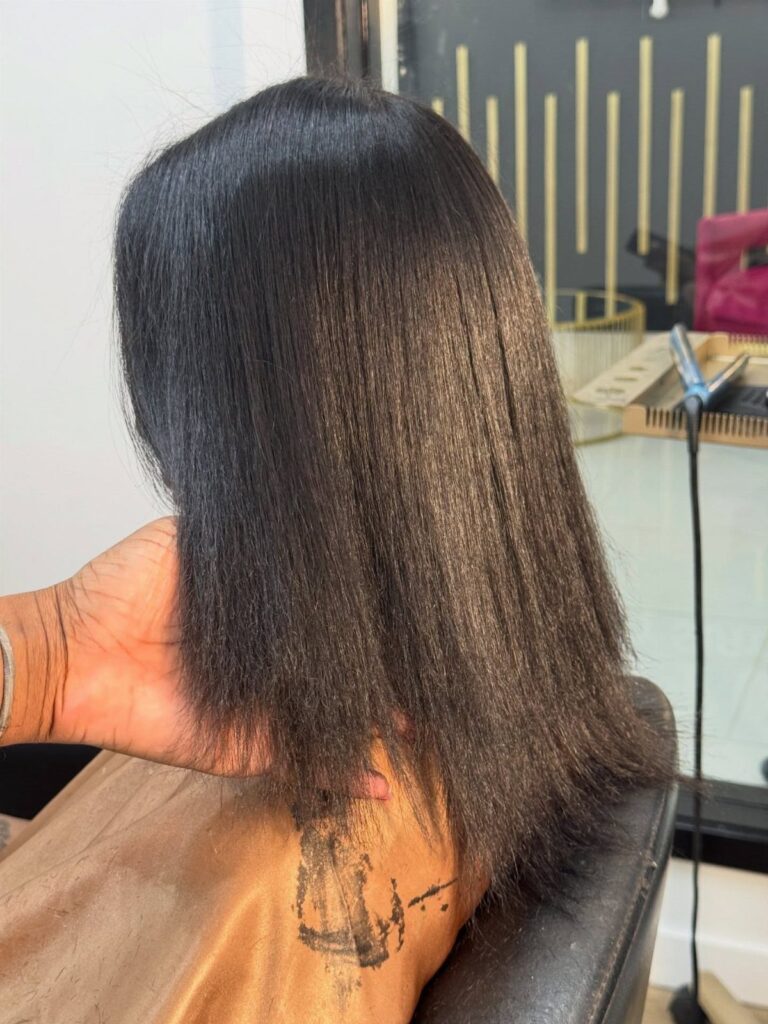
Every blowout here starts the same way, with coils stretched smooth under tension from a blow-dryer, and from there the looks branch out into a natural shoulder-length shape, a 90s-style finish, a twist-out, half-up braids, wand curls, 2 kinds of bun, a high ponytail and soft waves.
What decides your pick is how much time and heat your strands can take: 4C hair is fragile, so a low-effort finish like soft waves, a messy bun or a high ponytail suits a casual week, while a twist-out or the 90s-style volume is better saved for an event.
1. 4C Natural Blowout Hair
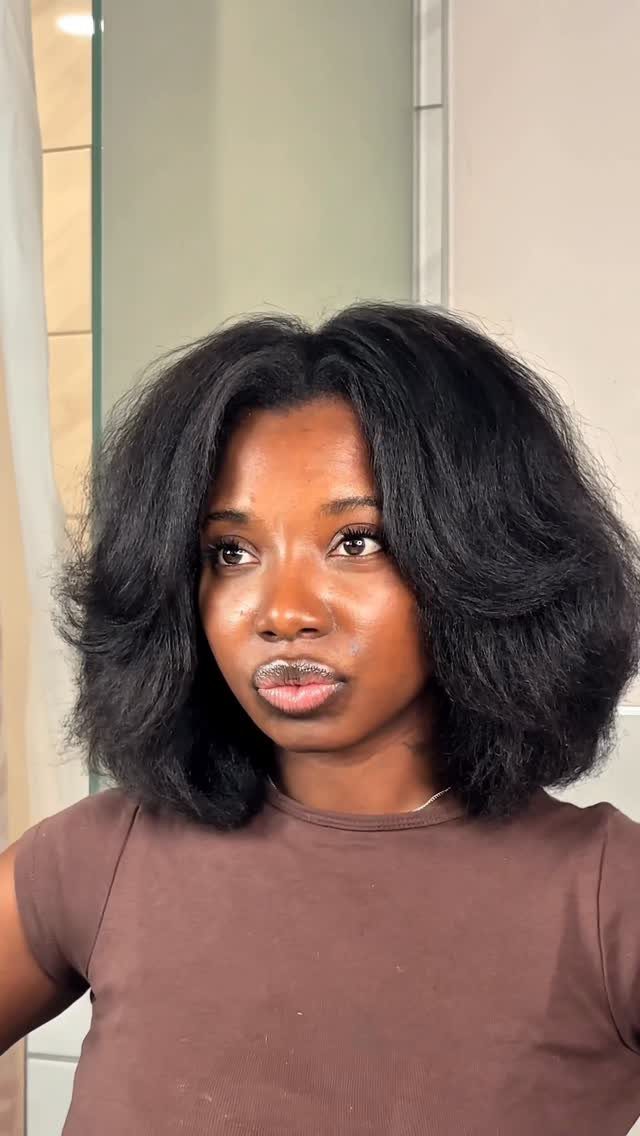
Shoulder-length is a forgiving place to start a blowout, because a rounded shape needs almost no cutting to look intentional. The coils stretch just enough to read as full without losing their texture.
Blow-dry in sections on a cool or medium setting and finish with a pick at the roots. I prefer this version for everyday wear: it looks like your own hair, only bigger.
Heat takes a toll on 4C strands, so don’t repeat it weekly.
2. Throwback 90’s 4C Hair Blowout Style
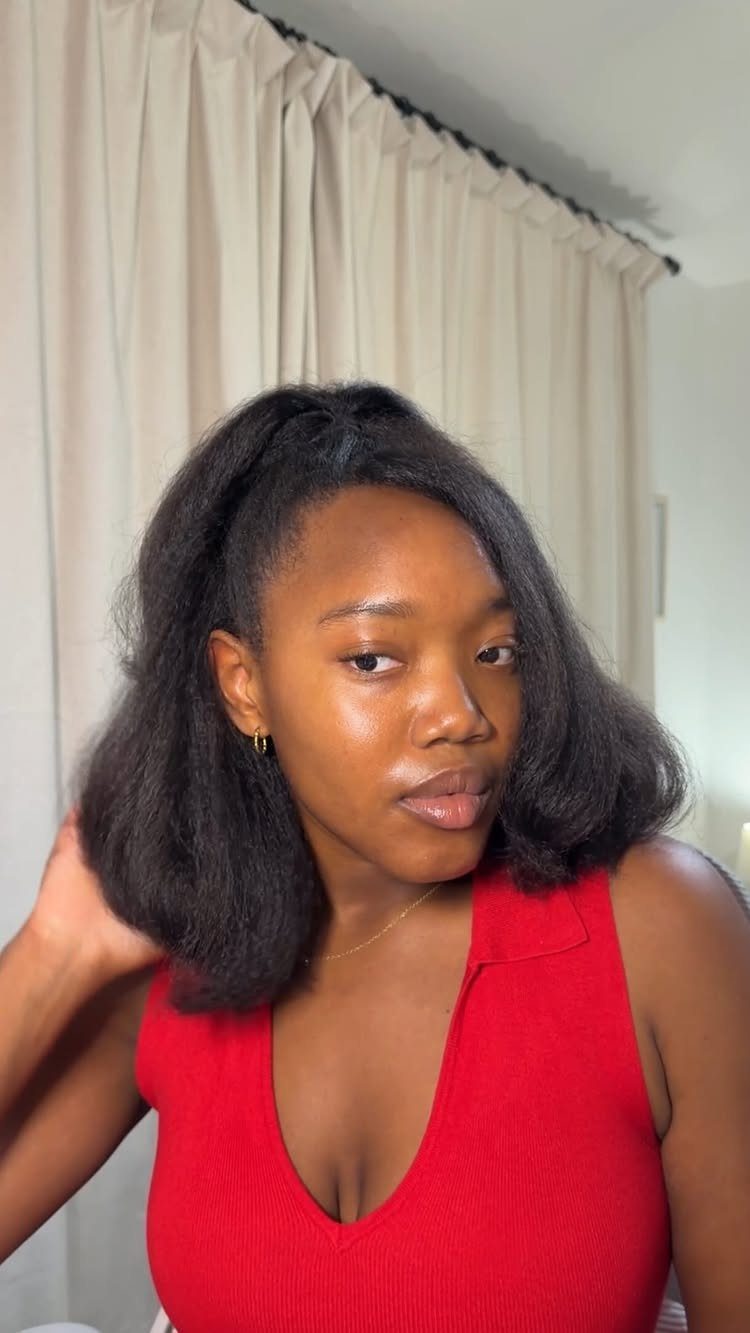
Volume is the whole story in a 90s-style blowout, and it should start at the root and end in a full, rounded outline.
Stretch each section with tension as you dry, then lift with a pick instead of a brush so the shape stays airy. A glossy sheen from a light oil on the ends gives it that glamorous finish.
Pair it with a simple ribbed top and let the hair carry the outfit. I would save it for evenings out, since the shape takes real effort to build.
3. 4C Hair Twist-Out Blowout Hairstyles
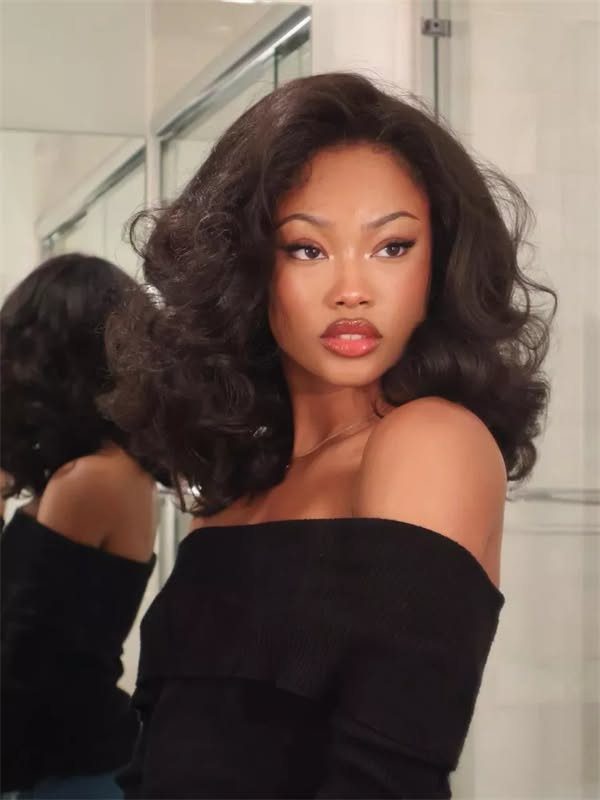
Twist-outs and blowouts sound like opposites, yet the combination gives you stretched hair that still bounces. Twist damp, blown-out sections, let them dry fully, then unravel gently with oiled fingers.
Fully dry twists matter most; unraveling early gives frizz, not definition. The curls land softer and looser than on a plain twist-out, which suits an off-the-shoulder neckline well.
Expect to spend an evening setting the twists. For a special event, I think a twist-out blowout earns the extra hour it takes.
4. 4C Hair Blowout with Half-up Braids
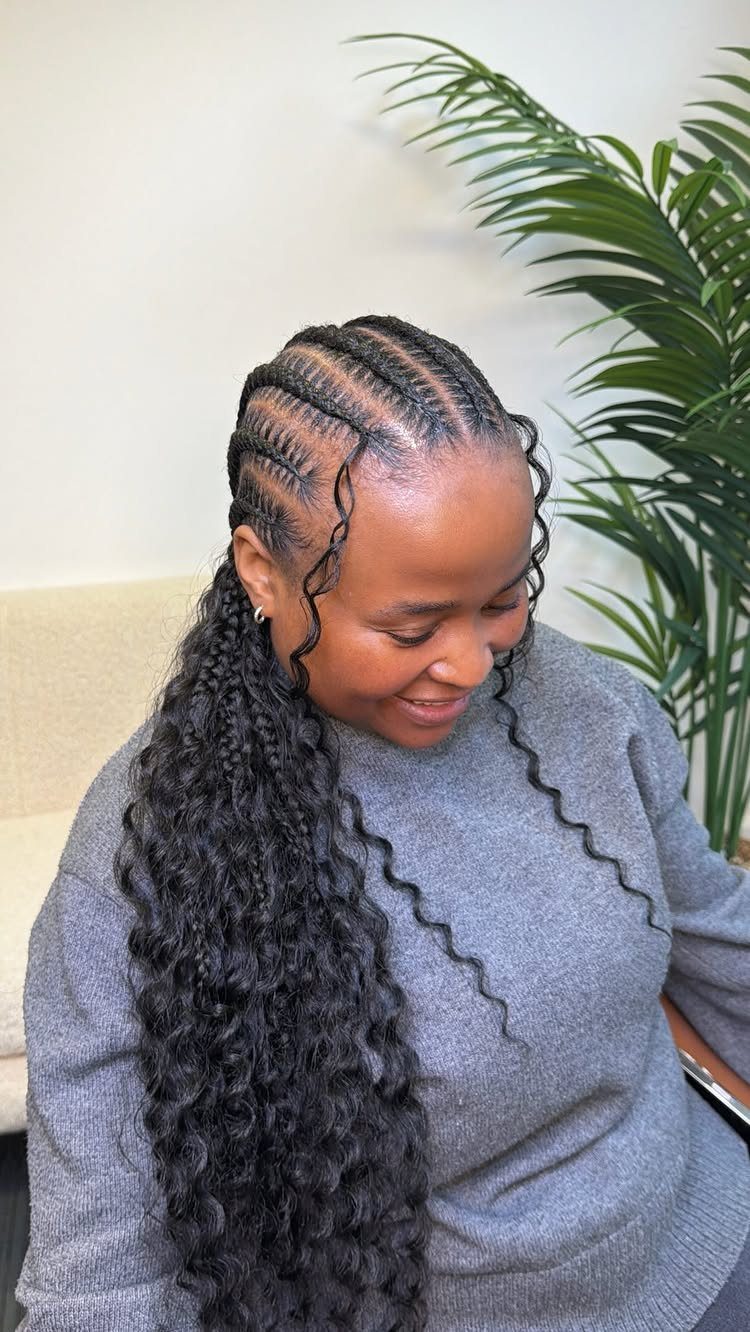
Cornrows across the top keep the front tidy while the length behind stays full and loose. That split makes this the most manageable blowout here for a workday.
Keep the braids snug but not tight, since pulling at the hairline causes breakage.
I like a sweater and this style together: the braids add structure, and the loose hair adds softness.
5. 4C Hair Blowout Half-Up, Half-Down with Wand Curls
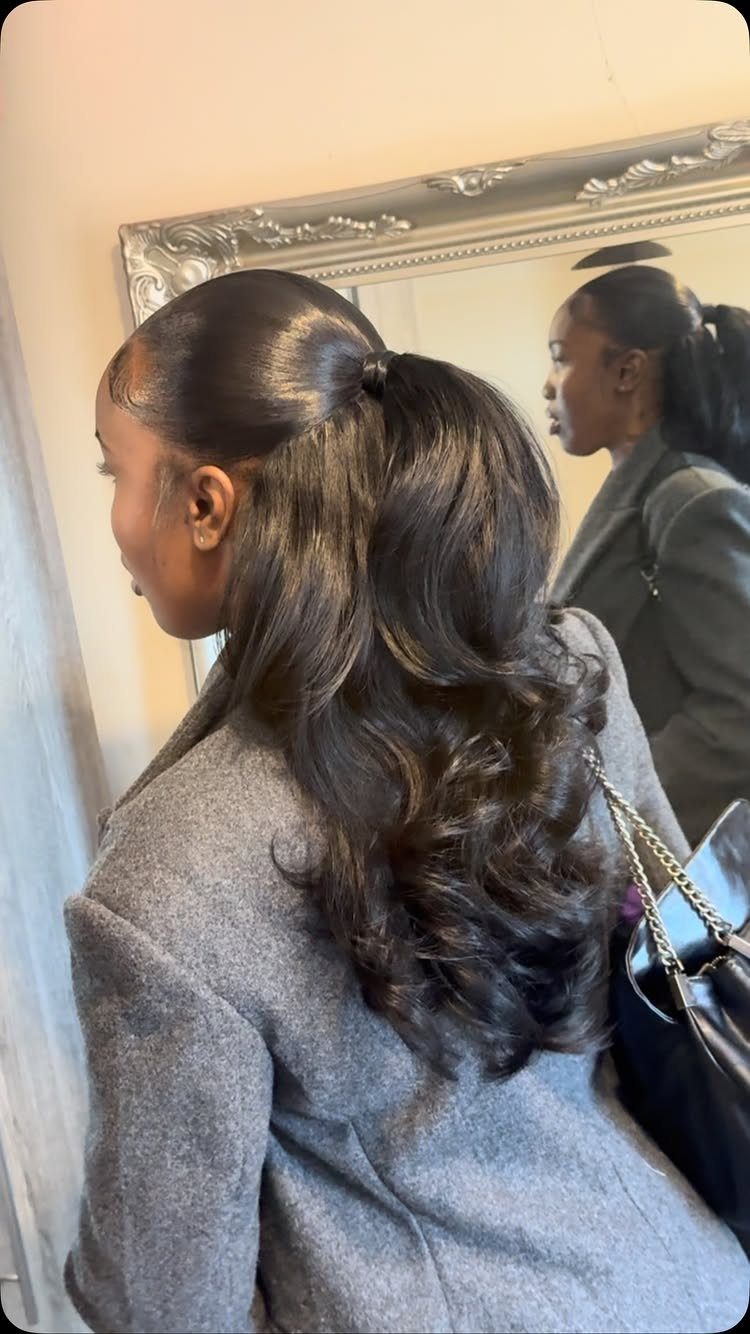
Half the hair goes up for height, and the lower half falls in defined wand curls. Blow out everything first, since stretched hair takes a curl far more evenly.
Clip the upper half of your hair out of the way, then wrap small pieces around the wand, hold briefly, and release without pulling. Smaller sections give tighter curls, larger ones give a looser wave.
I’d choose this for an event where you want polish without a full updo.
6. 4C Hair Blowout Bun with Twisting Sections
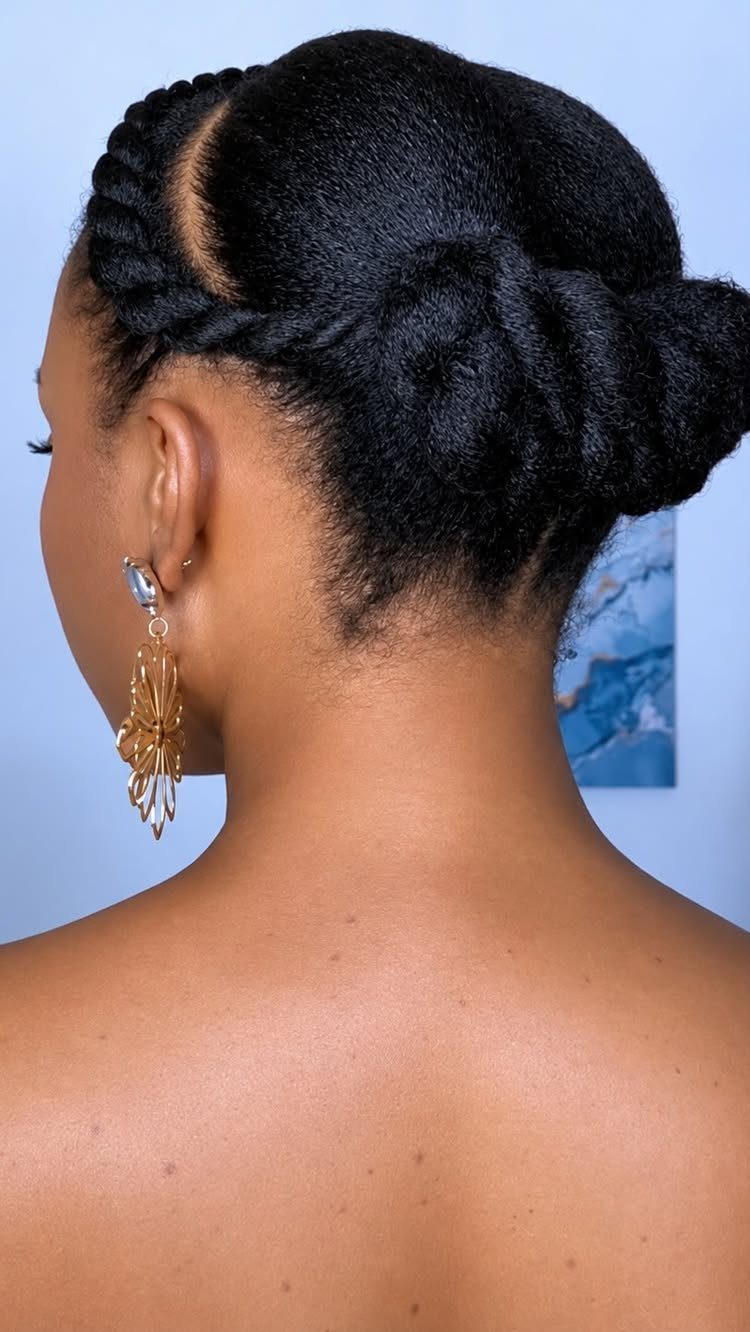
A low bun looks far more finished when the sections are twisted before they are pinned. Blow out the hair so it is smooth and stretched, then twist each section from root to end.
Wrap the twists around one another at the nape and secure them with pins that match your hair. Twisting keeps the bun tidy without a tight pull on the edges.
Add small earrings and you have an updo that reads as formal. It also holds up well for a long day.
7. 4C Hair Blowout Messy Bun
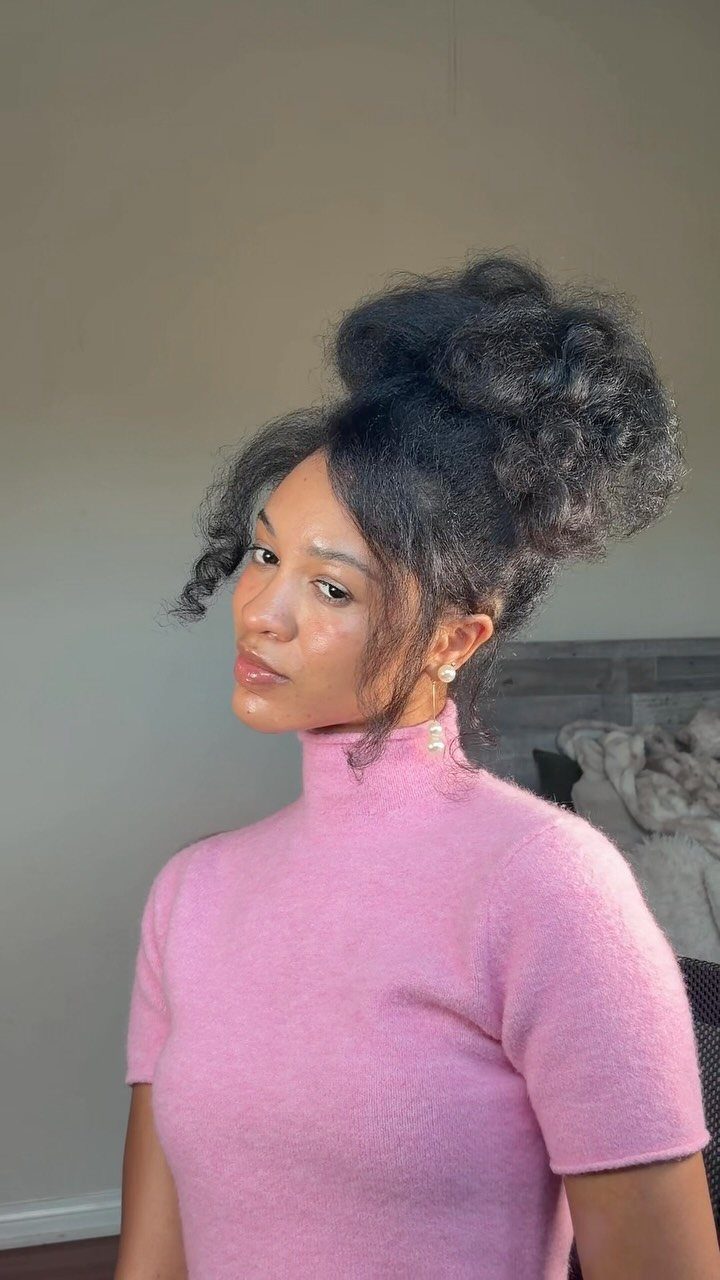
A messy bun on blown-out 4C hair gets its shape from the stretch. Dried smooth, the hair piles up fuller than it would from coils, and the bun looks big without any padding.
Gather it high, wrap it loosely once, and pin it. Tease out a handful of strands around the base so the edges look soft, not scraped.
A bright turtleneck suits it well, since the neckline stays clear of the hair. Loose is the whole idea here, so skip the tight elastic.
8. Blown-Out High Ponytail
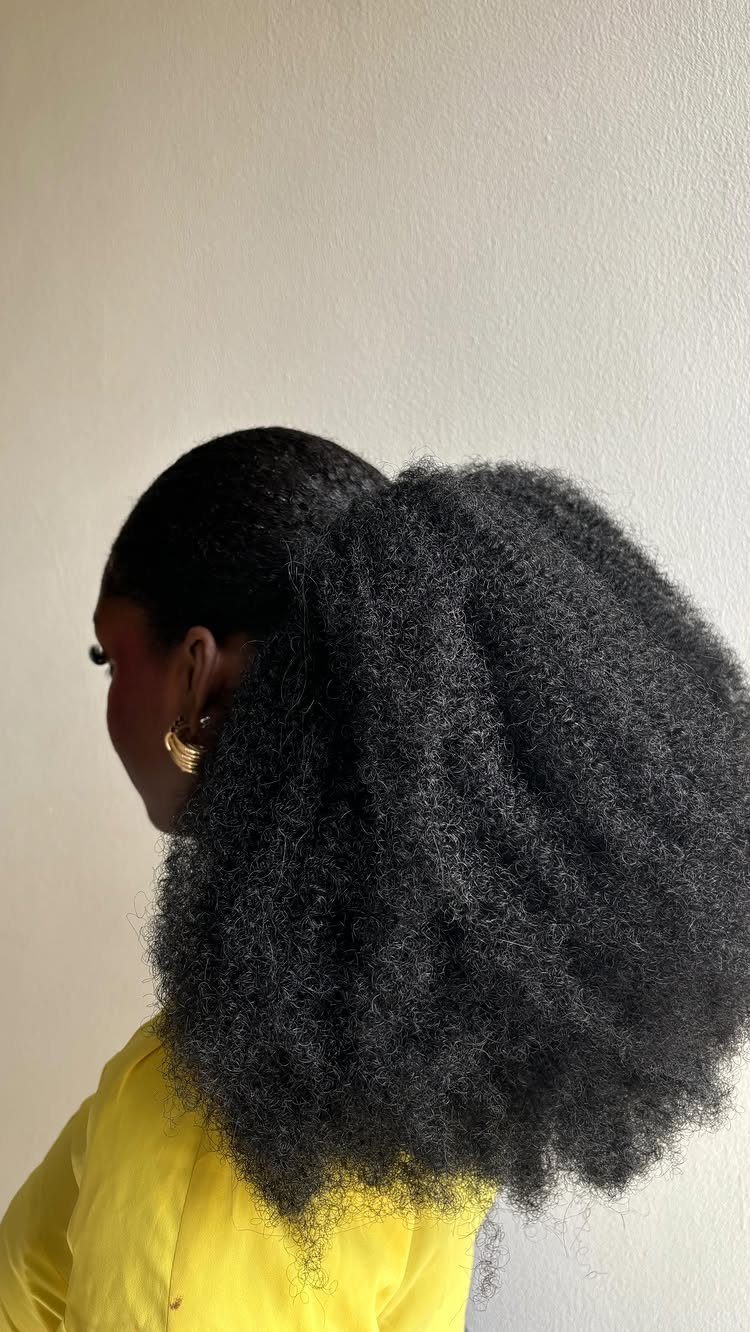
Smooth the base, then let the ponytail itself stay big. That contrast is what makes a blown-out high ponytail work: a sleek crown on top, a textured, full puff behind.
Brush the roots and sides flat with a soft brush, gather everything at the crown, and secure it with one snug elastic. Fluff the length with a pick, working from underneath so the top stays smooth.
Keep the pull gentle at the temples.
9. Blown-Out Hair with Soft Waves
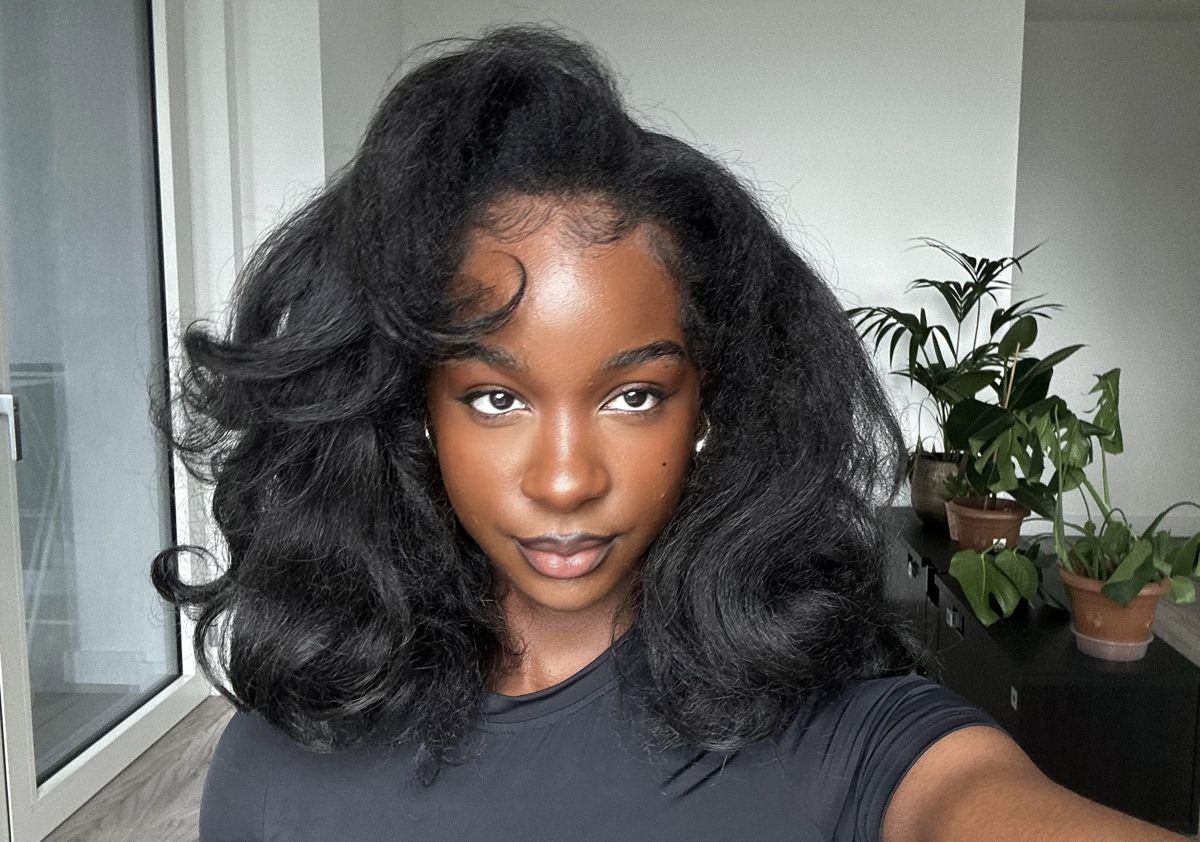
Soft waves are the easiest way to wear a blowout when a full updo feels like too much. The hair stays big and loose, and the waves add a little movement through the length.
Blow out first so the strands are stretched, then shape loose waves with a wand, using larger sections for a softer bend. Skip heavy product, which flattens the volume you just built.
A plain black tee is enough with this. I would pick it for a casual day when you want the hair to look finished without much fuss.
Tips for Maintaining Blowout
A silk or satin scarf at night does more for a blowout than any product. Cotton pillowcases pull moisture from the strands and rough up the stretch, so wrap the hair loosely before bed.
Moisture is the other enemy. Water and heavy leave-ins bring the coils back, so keep styling products light and keep the hair away from steam and rain.
A heat protectant goes on while the hair is still damp and before any dryer touches it, since blown-out 4c strands lose moisture fast without that barrier.
For the smoothest stretch, a boar bristle brush or the tension method with your blow-dryer works best.
Blowout Duration
Blown-out 4C hair typically lasts 1–2 weeks. Where you land in that range depends mostly on humidity and how carefully you handle the hair.
In damp weather, expect the shorter end. Coils pull back toward their natural pattern as they absorb moisture, so a dry climate and a scarf at night buy you more days.
I would not stretch a blowout past the point where the hair starts to tangle at the roots. Once the stretch fades, detangle gently and plan the next wash rather than forcing the style to last.
Potential Damage from Blowouts
Frequent blowouts can lead to heat damage, and 4C strands are fragile enough to show it quickly. Signs include dryness that moisture will not fix, limp curls that no longer spring back, and split ends.
Always apply a heat protectant before the dryer. Use the lowest setting that gets the job done, and keep the nozzle moving instead of holding it on one spot.
Limit how often you use heat at all. Give the hair a rest between blowouts with protective styles or a plain wash and go, and trim away any ends that have already gone brittle.
Frequently Asked Questions
Are blowouts bad for 4C hair?
Blowing out 4C hair too often can wear down the cuticle with heat, and because these strands break easily, the damage tends to show up quickly.
3 signs tell me it’s time to stop: dryness that no amount of moisture fixes, curls that go slack instead of springing back, and splits at the ends.
What does it mean when a woman gets her hair blown out?
It means the hair is blow-dried to make it smooth, stretched and full.
On 4C hair, that turns tight coils into a big, rounded shape that still looks like your own texture. Many people then wear it as is, or shape it into a bun, ponytail or waves.