The 18 cuts here run from a long bob that grazes the collarbone to a short bixie and a boxy bob, and the effort runs just as wide, from rough-dry and go to a round-brush blow-dry every morning.
Hair texture and the minutes you’ll actually spend on it decide which bob is yours: fine hair does well with a textured bob, thick hair tends to behave better in a longer cut like the lob, and a classic blunt bob frays fast if you air-dry.
1. Long Bob (Lob)
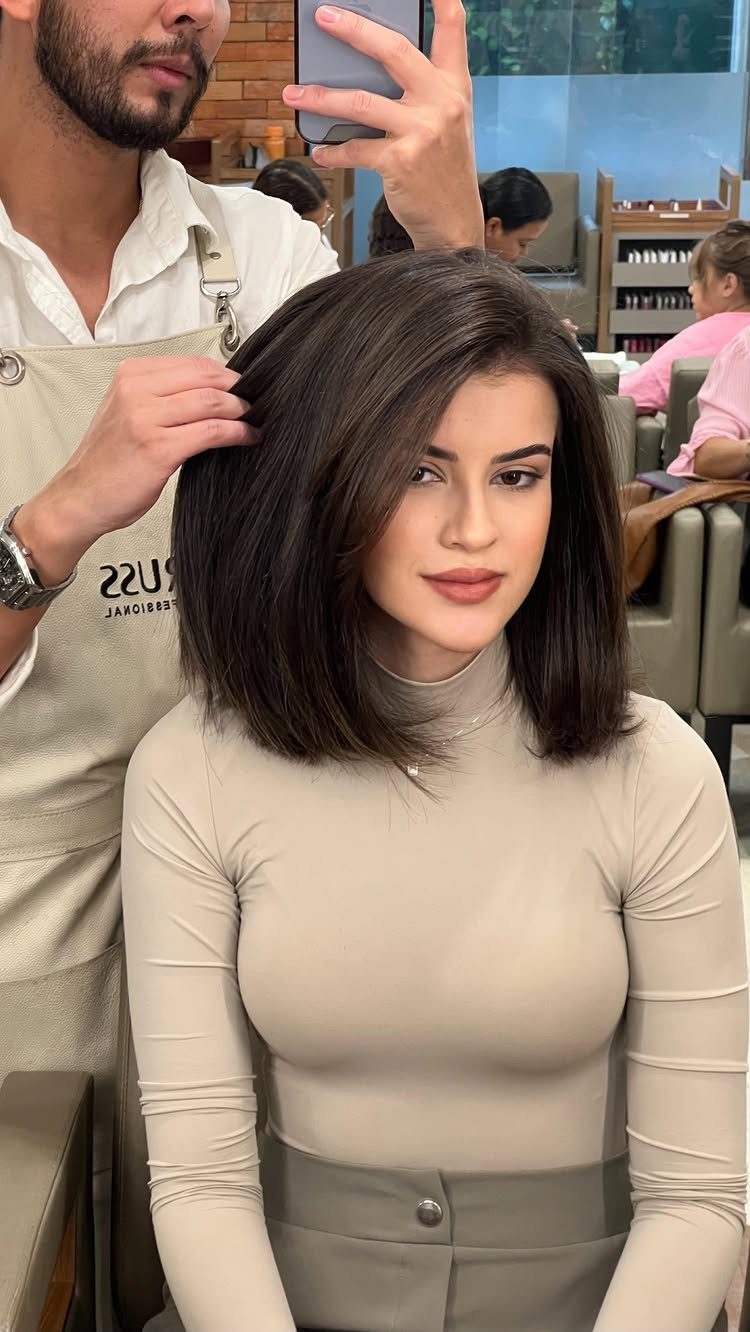
A lob sits past the chin and near the collarbone, which gives it more room to move than a true bob.
That extra length makes it the easiest bob to live with if you still want a ponytail on lazy mornings.
Sleek, dark hair suits a lob best, because the ends read clean and heavy and the line looks deliberate. Ask your stylist to keep the line soft rather than razor-straight if your hair tends to flip out at the shoulders.
A longer cut gives you more ways to style it, but it also means more frequent trims to keep the shape from going soft.
2. Braided Bob
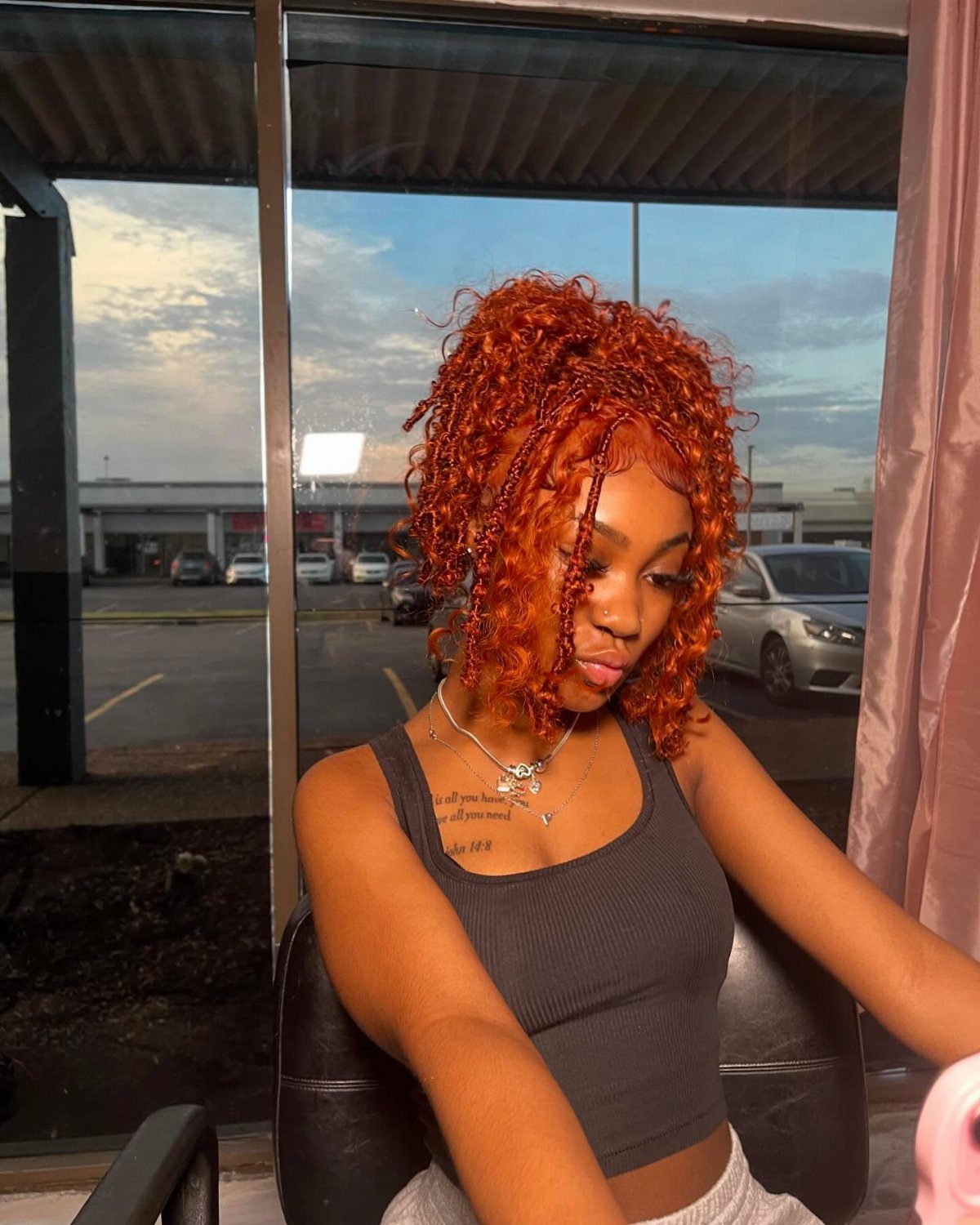
Braids turn a plain bob into something with a pattern, and a bright orange-red color makes the weave easy to read. Short braided lengths are the point here, so the cut stays compact and the texture does the talking.
This is a commitment style, and I’d treat it as a project rather than a quick change. Talk through braid size with whoever does them before you sit down, since thinner braids look busier and thicker ones look bolder.
Skip it if you want a look that works for every office dress code.
3. French Bob
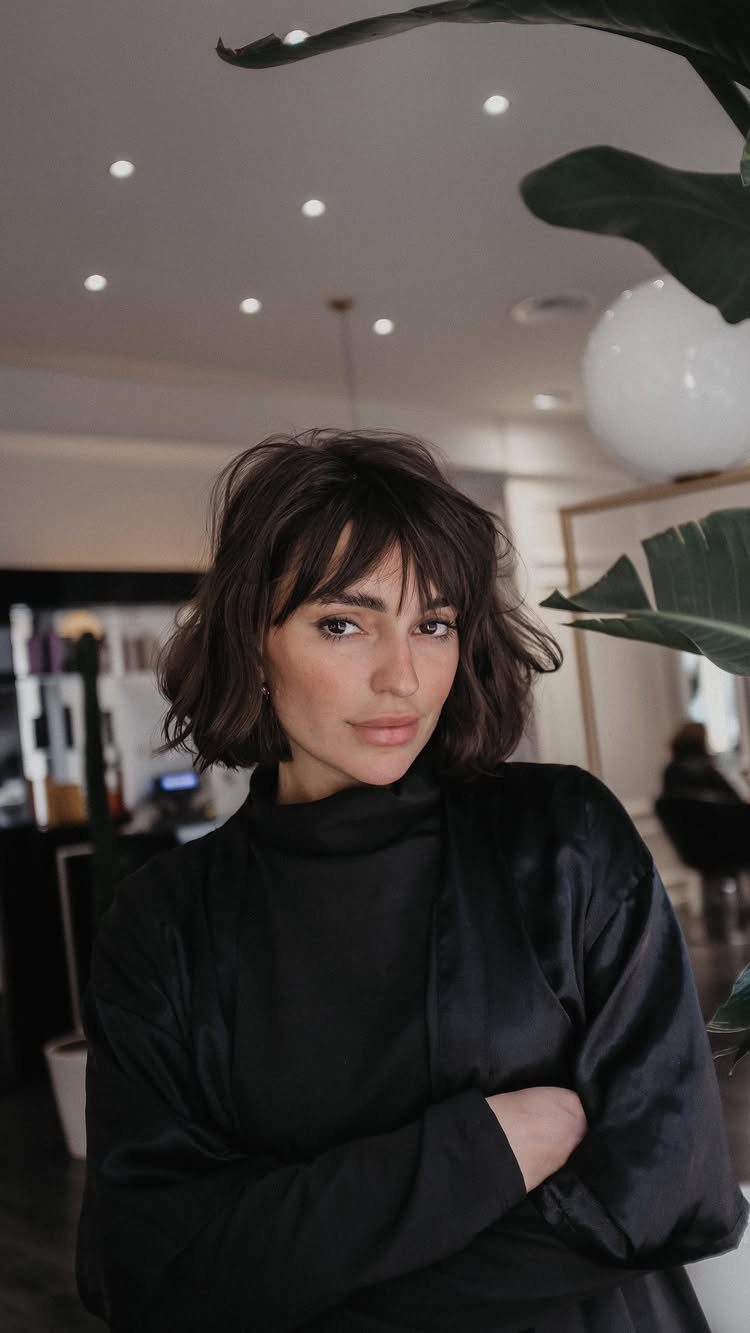
Chin length, a little texture and a soft fringe: that combination defines the French bob, and each piece matters. Without the fringe it’s just a short bob; without the texture it turns stiff.
For a low-maintenance routine, I’d ask for the ends to be cut slightly uneven so air-drying looks intentional. A bit of styling product worked through damp hair is enough.
It suits brown hair well, since the movement shows without extra color. The fringe will need regular trims to stay soft instead of heavy.
4. Layered Bob
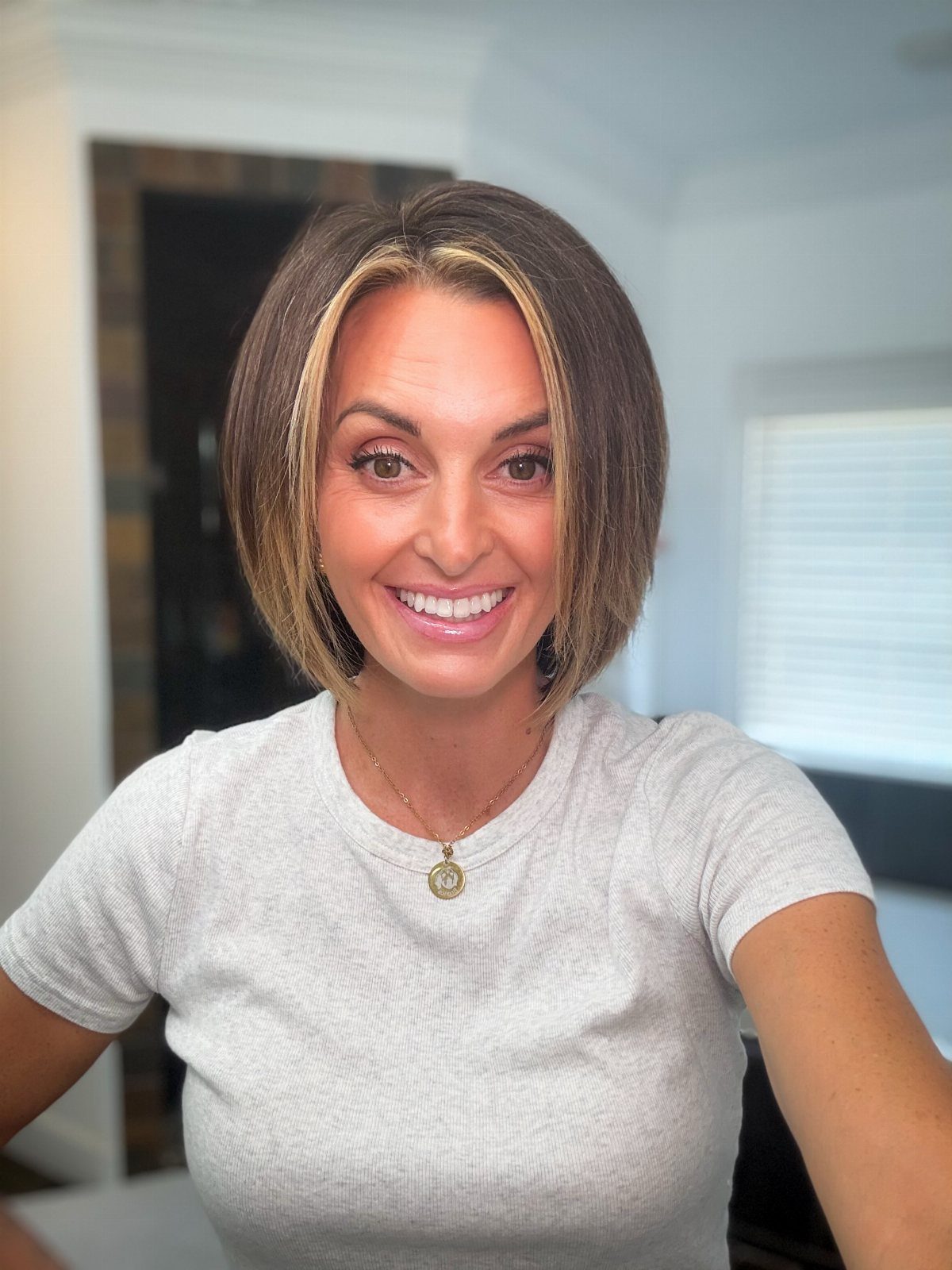
Layers are what separate this bob from a flat, one-length cut.
If your hair is fine, ask for layers kept subtle so the ends don’t look thin. If it’s thick, more layering removes bulk and helps the shape sit better.
Highlights are optional, but they do the most work here because they pick out the layers. Style it with a quick blow-dry and a round brush for a little lift.
5. Textured Bob
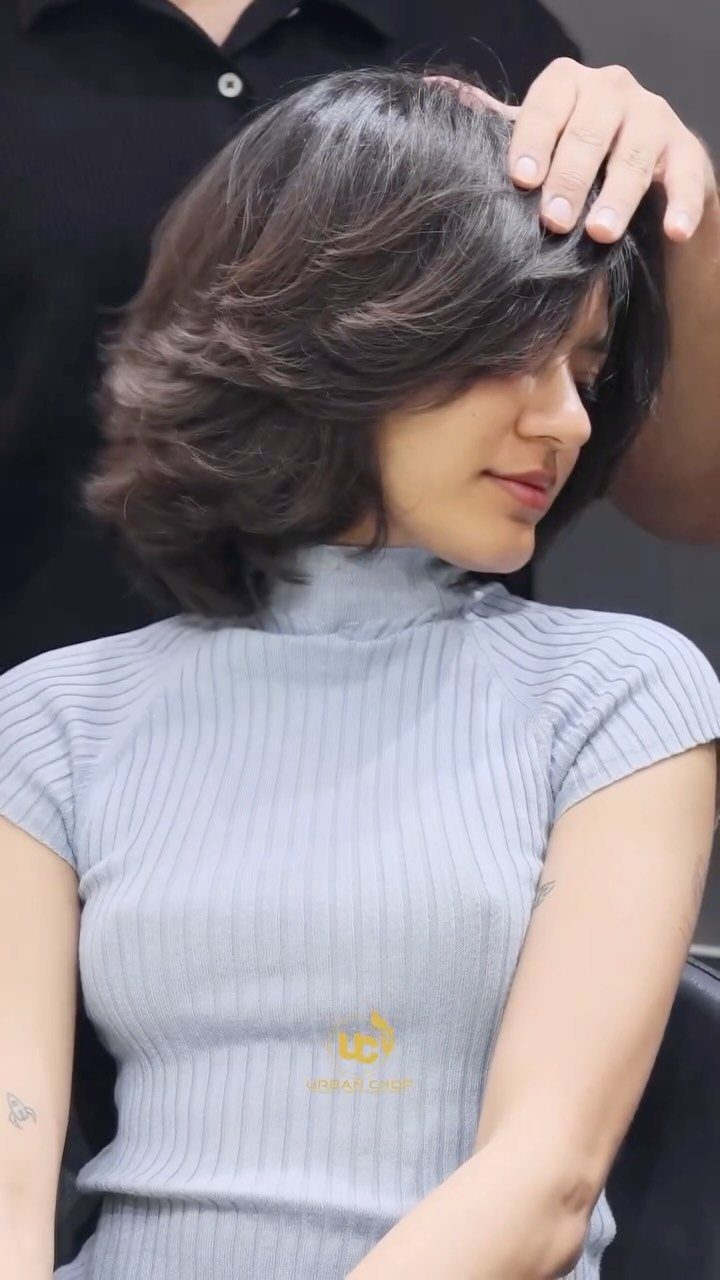
Choppy, feathered ends are what give a textured bob its relaxed, lived-in finish. The shape is voluminous, so it looks best when the cut is broken up rather than blunt.
I’d choose this one if you dislike fussy styling. Rough-dry it, add a texturizing spray, and scrunch the ends for a messy look that still holds a shape.
A textured bob only works if your stylist knows how to cut texture in well, so check their bob work before you book. Ask for feathering at the ends, not heavy thinning through the middle.
6. A-Line Bob
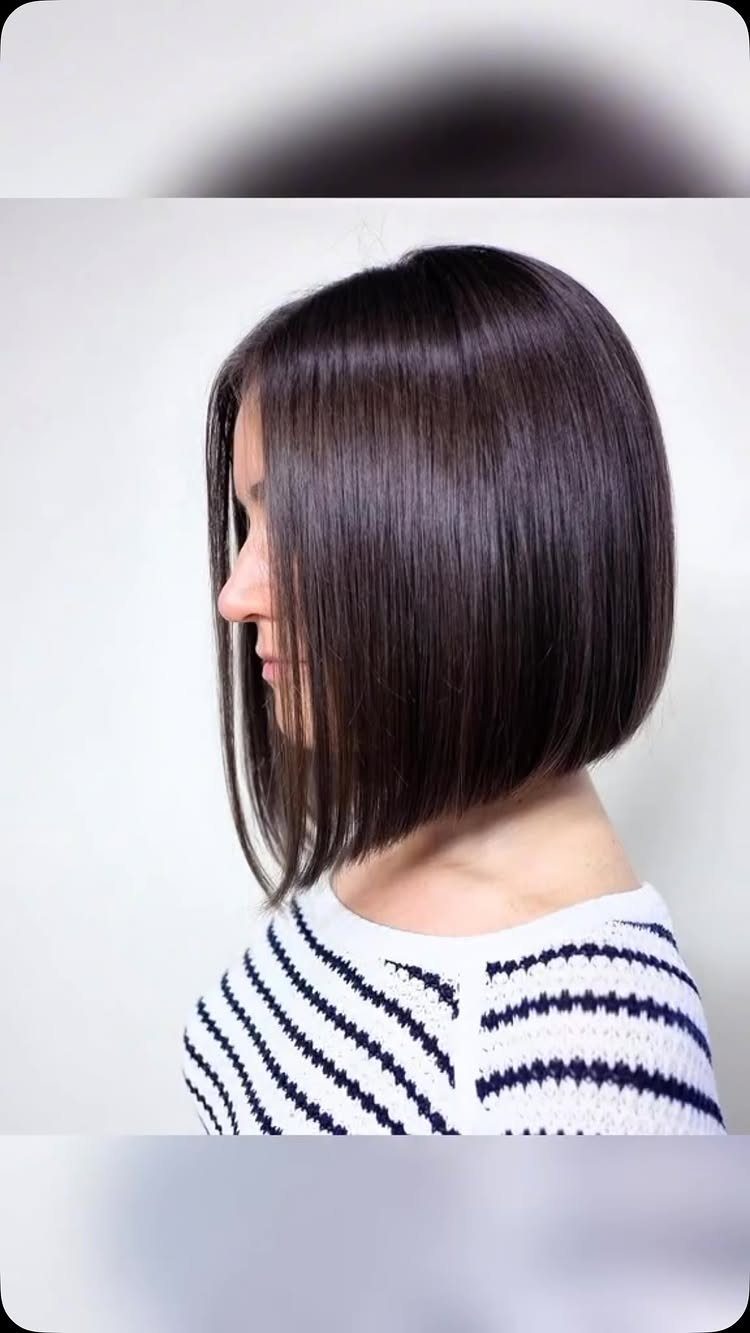
Shorter in back and longer in front, the A-line bob angles down toward the face and makes a sleek, sharp line. The slope is the whole design, so a smooth, polished finish suits it best.
Dark, straight hair is where an A-line bob looks best, since the angle stays crisp. A flat iron and a little shine serum keep the lines clean.
Because the front lengths frame the jaw, you can ask for them to be longer or shorter depending on how much face-framing you want. Trims keep the angle exact.
7. Bubble Bob
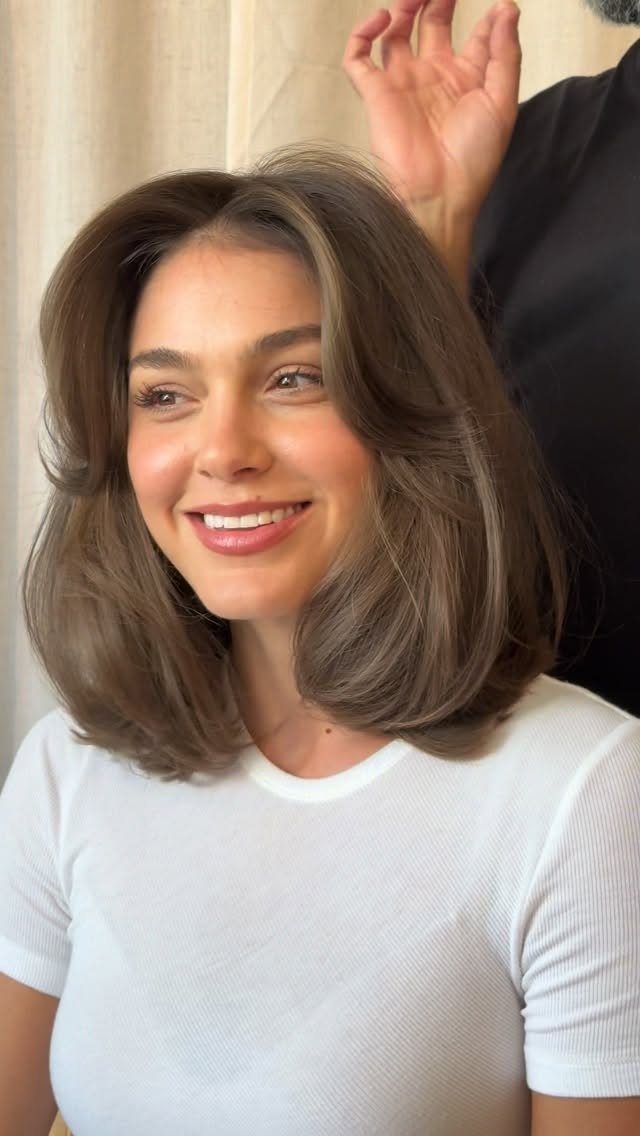
Volume is the whole idea here: the ends curve under in a rounded shape that looks bouncy and full of movement.
A soft, even curve matters more than length, so ask your stylist to build the round from the crown down.
For low-maintenance days, a blow-dry with a round brush gives the lift, and a roll under at the ends sets the shape.
Fine hair may look flat without that effort, so expect to style it a little each morning.
8. Bixie Bob
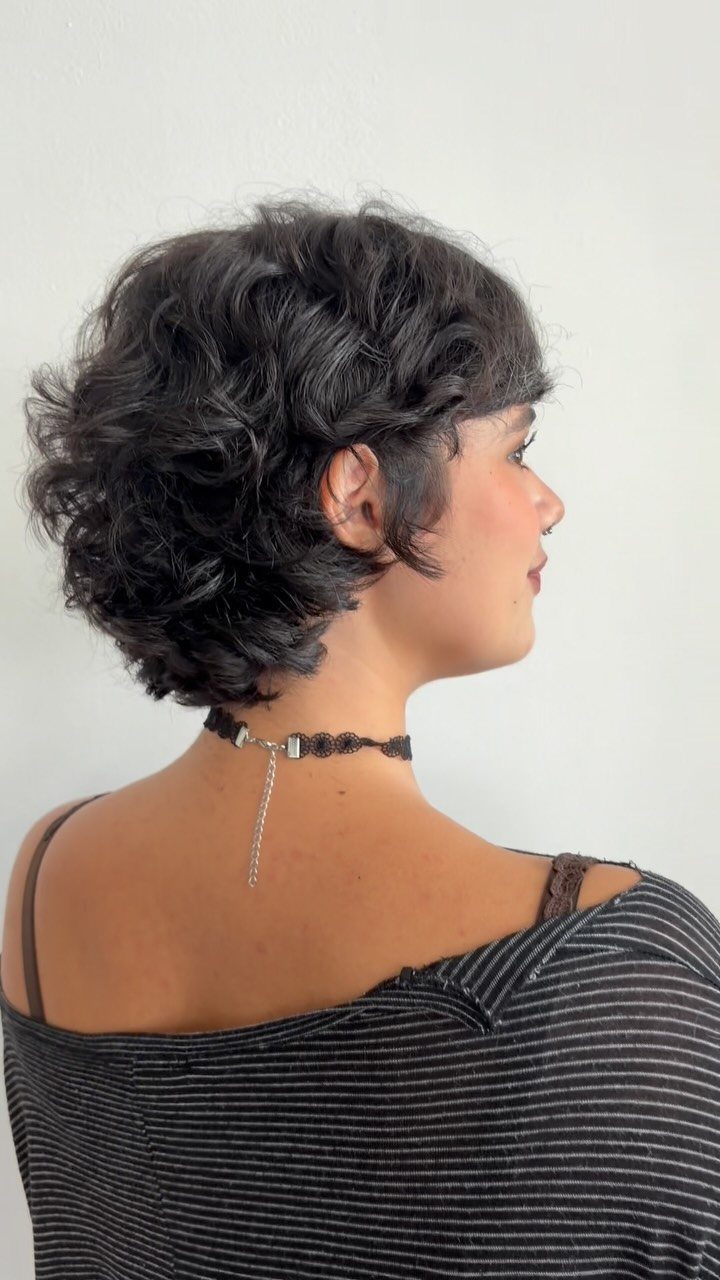
Half bob, half pixie: the bixie keeps a bob’s softness but cuts the length short and breaks it up with texture. Dark, wavy or curly hair shows that texture well, since the movement does the work for you.
I’d pick it if you want something short that still feels soft around the face. Ask for choppy layers and bring a photo of the exact length you want.
A bit of curl cream or texturizing spray, scrunched in, is plenty. Short layers grow out unevenly, so trims come around often.
But such is the state of the modern bob. Gone are the days of simply asking for "a couple inches off" because in the age of the hyper-specific haircut, clarification is everything.
9. Curly Bob
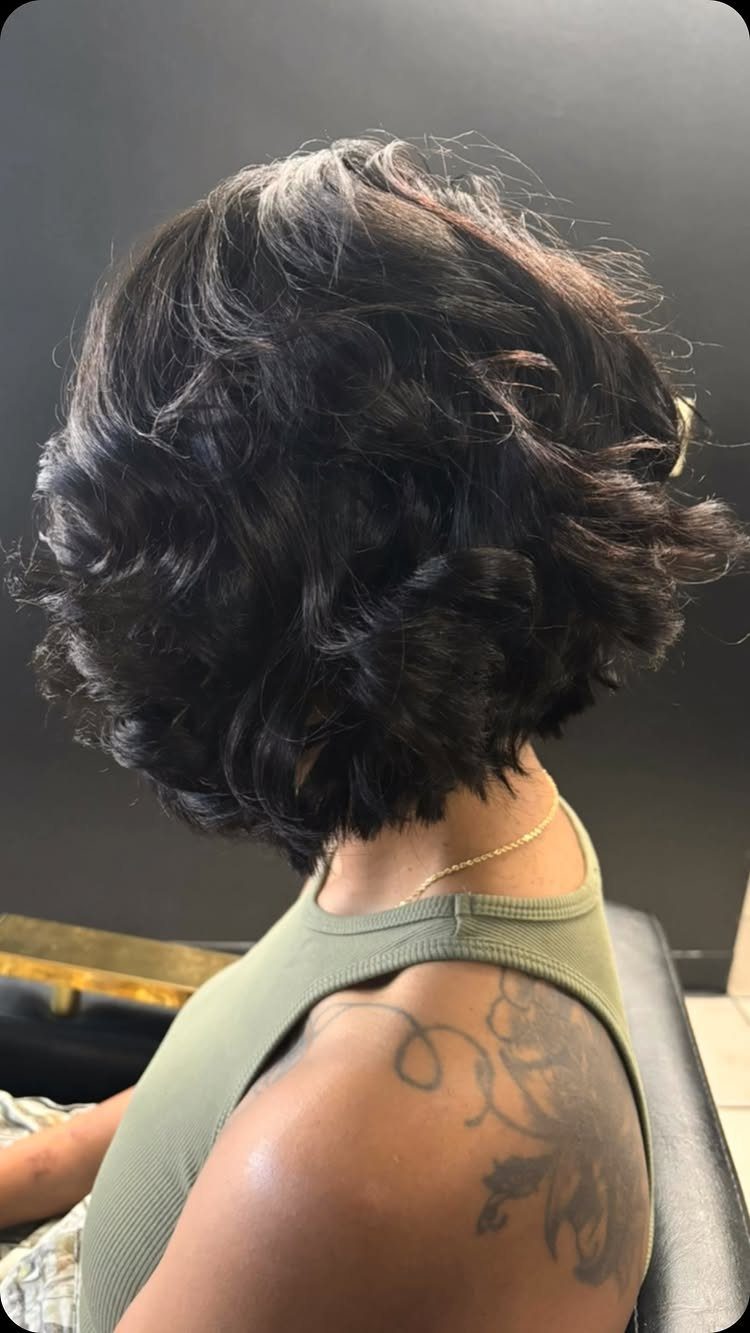
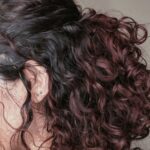
Cut for curls, this bob works with natural texture instead of fighting it. Curly hair springs up when it dries, so the shape needs to be built with that in mind.
Look for a stylist who cuts curls, ideally on dry or dry-finished hair, so you can see where each curl lands. I’d skip a razor-straight line here.
Dark brown curls hold their pattern well, and a leave-in conditioner keeps the ends from frizzing. Let it air-dry or diffuse on low heat.
10. Rounded Bob
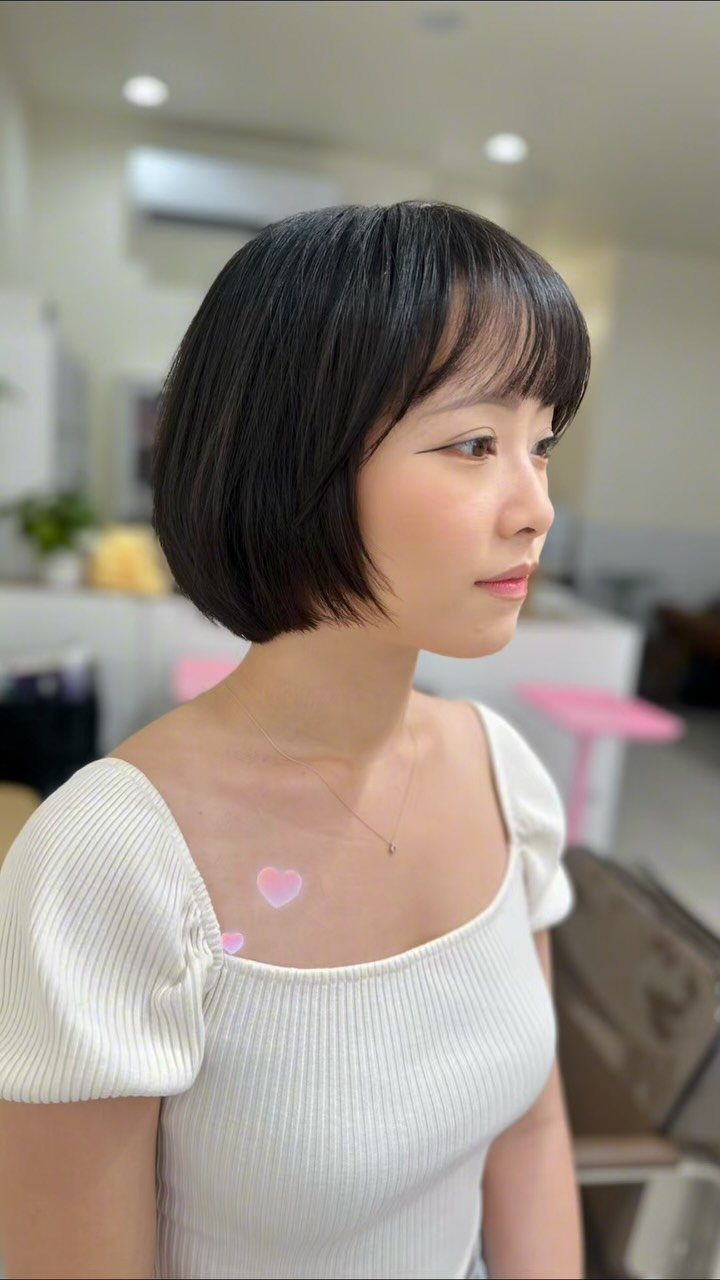
Ends that curl inward toward the face give the rounded bob its soft, finished outline. With bangs, the whole shape reads as one tidy circle around the face.
Dark, smooth hair suits it, since the curve shows clearly. Blow-dry with a round brush, pulling the ends under as you go, then set the curve with a cool blast of air.
It takes a few minutes of real styling, so it’s less hands-off than a rough-dry bob. Bangs need regular trims to keep the line neat.
11. Bob with Bangs
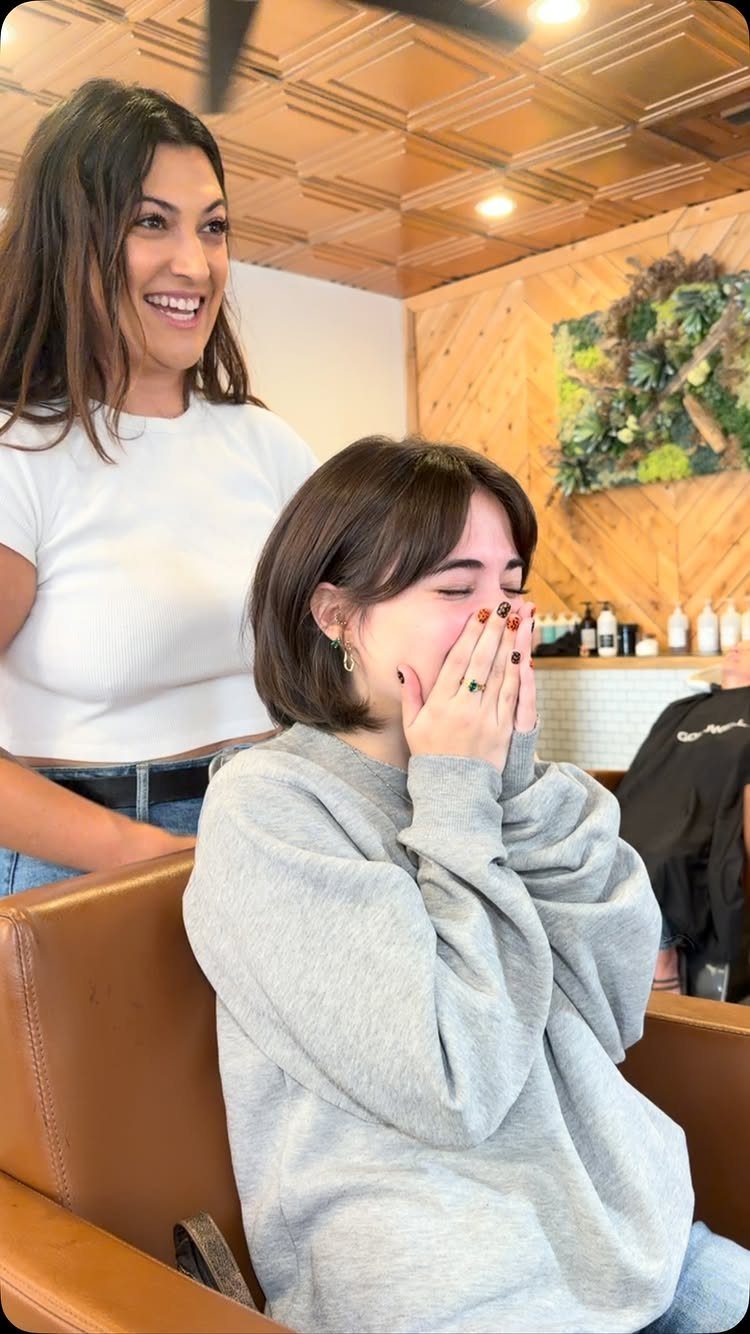
Bangs change a bob more than any color could, and the choice comes down to full or curtain.
Full bangs make a bold, graphic statement; curtain bangs part in the middle and blend into the length, which is the softer option.
If you’ve never had a fringe, I’d start with curtain bangs, since they grow out more kindly. Ask your stylist to cut them dry so you can judge the fall.
Either type needs frequent trims and a quick daily blow-dry to behave.
12. Wavy Bob
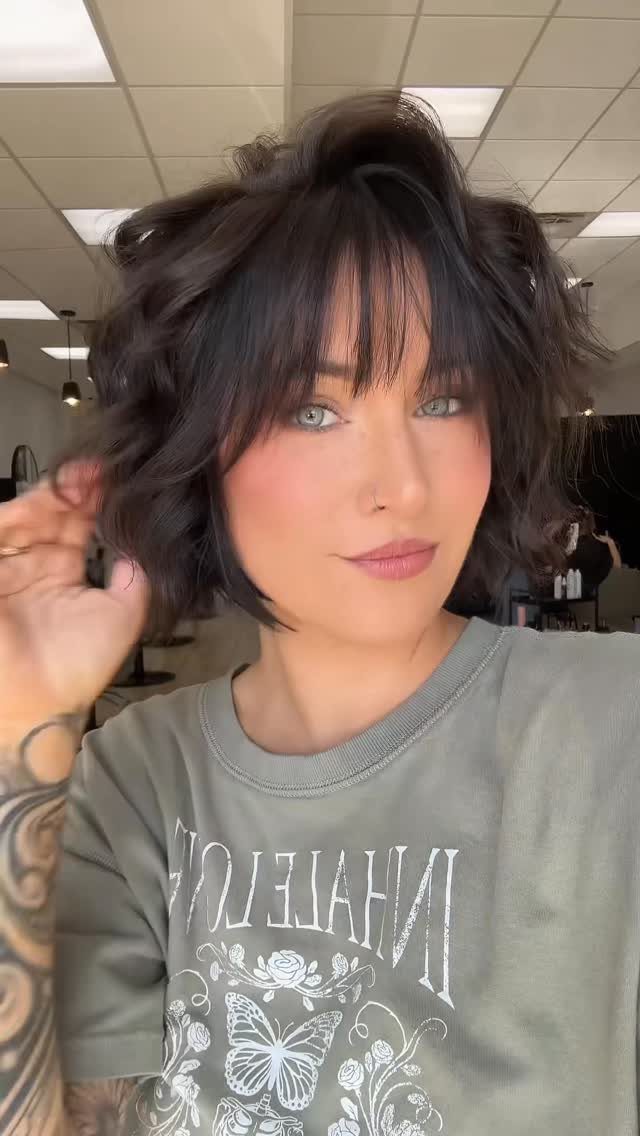
Soft waves give a bob a relaxed, beachy feel, and bangs keep it from looking shapeless. A dark brown base makes the waves read clearly without any extra color.
Use a texturizing or sea-salt spray on damp hair, then rough-dry or air-dry. For more definition, wrap loose sections around a curling iron and leave the ends out.
Ask for a cut with a slightly soft line, because blunt edges fight waves. Straight hair will need a little heat to hold the pattern.
13. Italian Bob
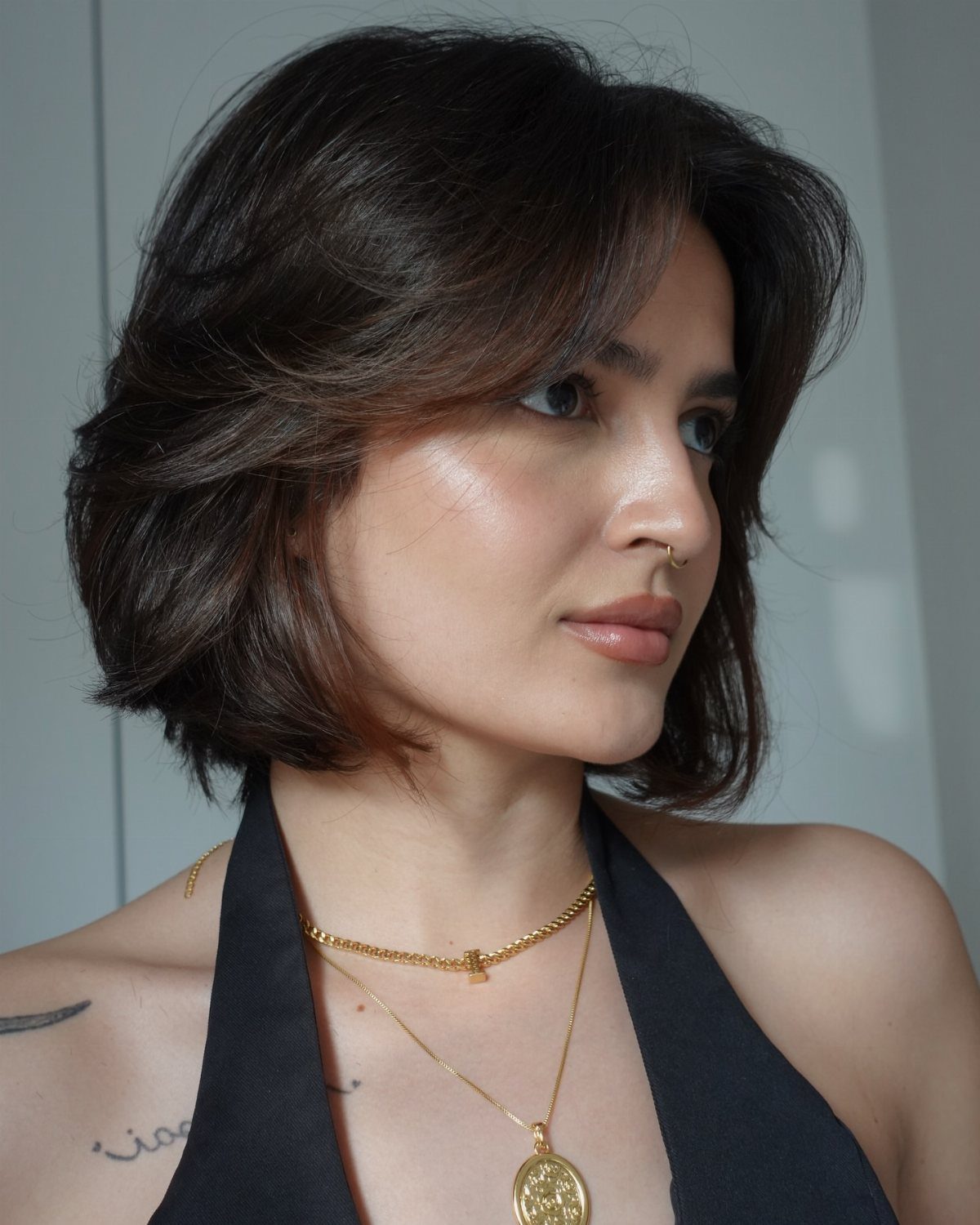
Volume at chin length is what defines an Italian bob: the hair is full and bouncy, with a rounded body rather than a flat, straight edge.
Brown hair shows that fullness well. I’d ask for the weight to sit around the jaw and have it blow-dried with a round brush for lift.
Gold jewelry and a simple dark top suit the shape, since nothing competes with the hair. Fine hair may need a volumizing product to hold it up.
14. Classic Blunt Bob
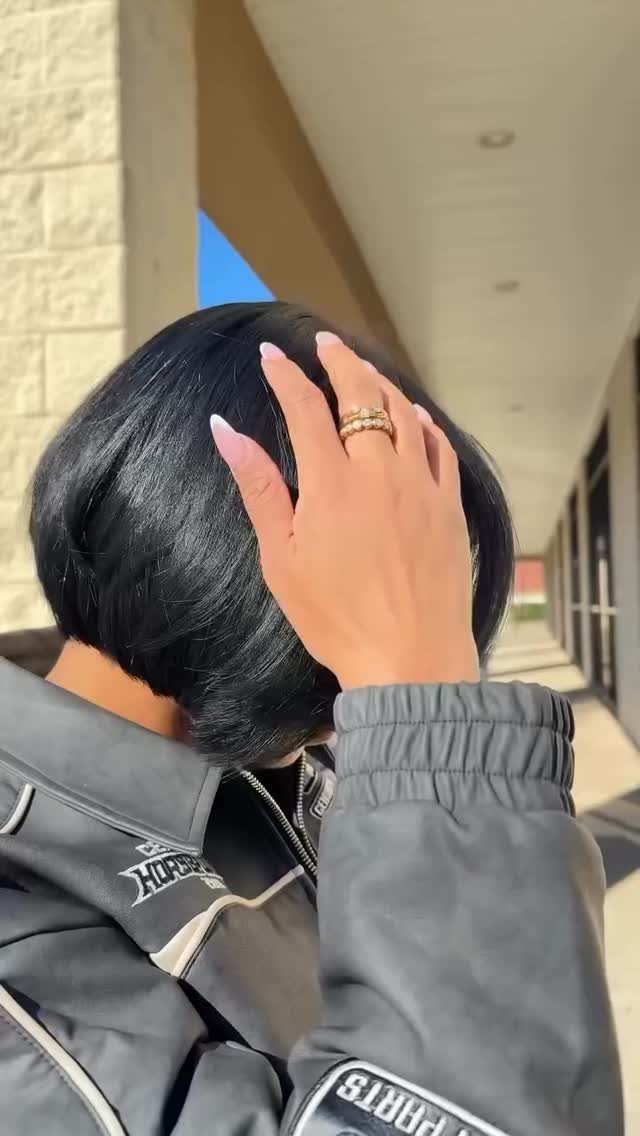
One length, one clean edge: a blunt bob lives or dies by how sharp that line is. Black hair shows it best because the ends look dense and polished.
Smooth each section with a flat iron on medium heat, then press in a single drop of shine serum from mid-length to ends so the blunt edge reads crisp rather than greasy.
I’d ask your stylist to cut it at the chin and check the line while your head is level.
Expect regular trims, since a blunt edge looks tired as soon as it frays. Skip it if you like to air-dry and walk out the door.
15. Half-Up Bob
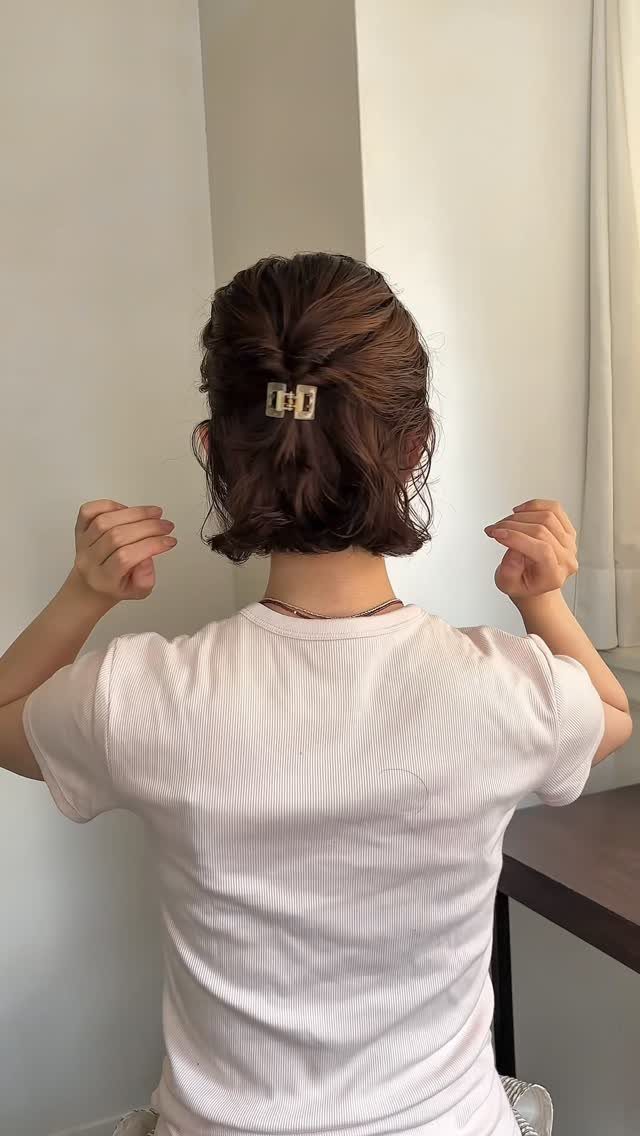
Pulling the top half back with a clip gives a bob a second look without a new cut. The lower layer stays loose at chin length, so the shape still reads as a bob.
Clip the hair at the crown, leaving the lower section down.
This is my pick for grow-out days or for keeping hair off your face with almost no effort. A shorter bob may slip out of the clip, so choose one with a firm grip.
16. Old Money Bob
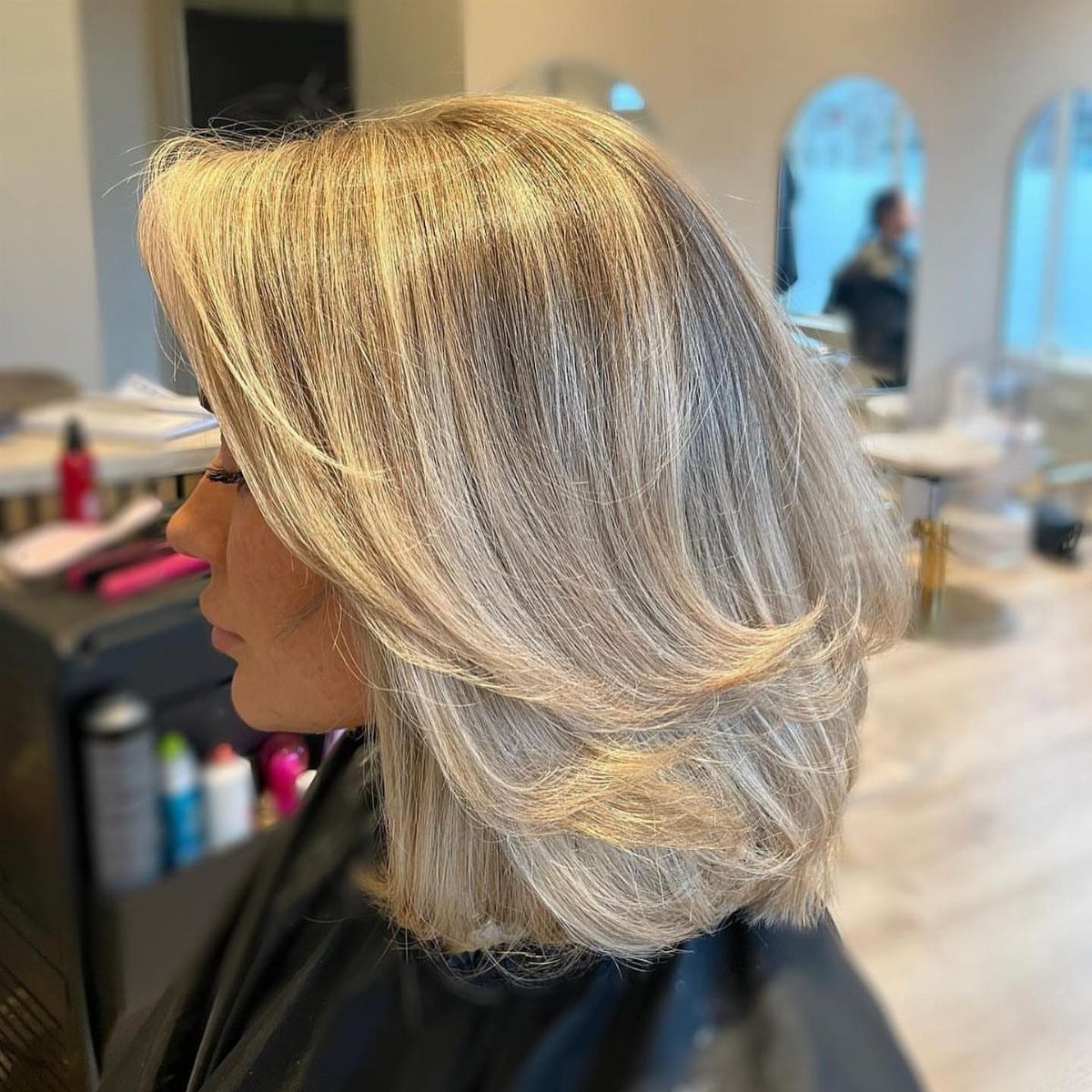
Shine and body carry this bob. Blonde, layered and voluminous, it looks expensive because the hair looks healthy, not because the cut is complicated.
Ask for soft layers that build volume without losing the overall line. A round brush and a low-heat blow-dry give the ends that polished curve, and a light gloss spray afterward keeps flyaways down.
Blonde hair needs steady care to stay glossy, so budget for toning and regular trims. Without the gloss, the cut looks plain.
17. Butterfly Bob
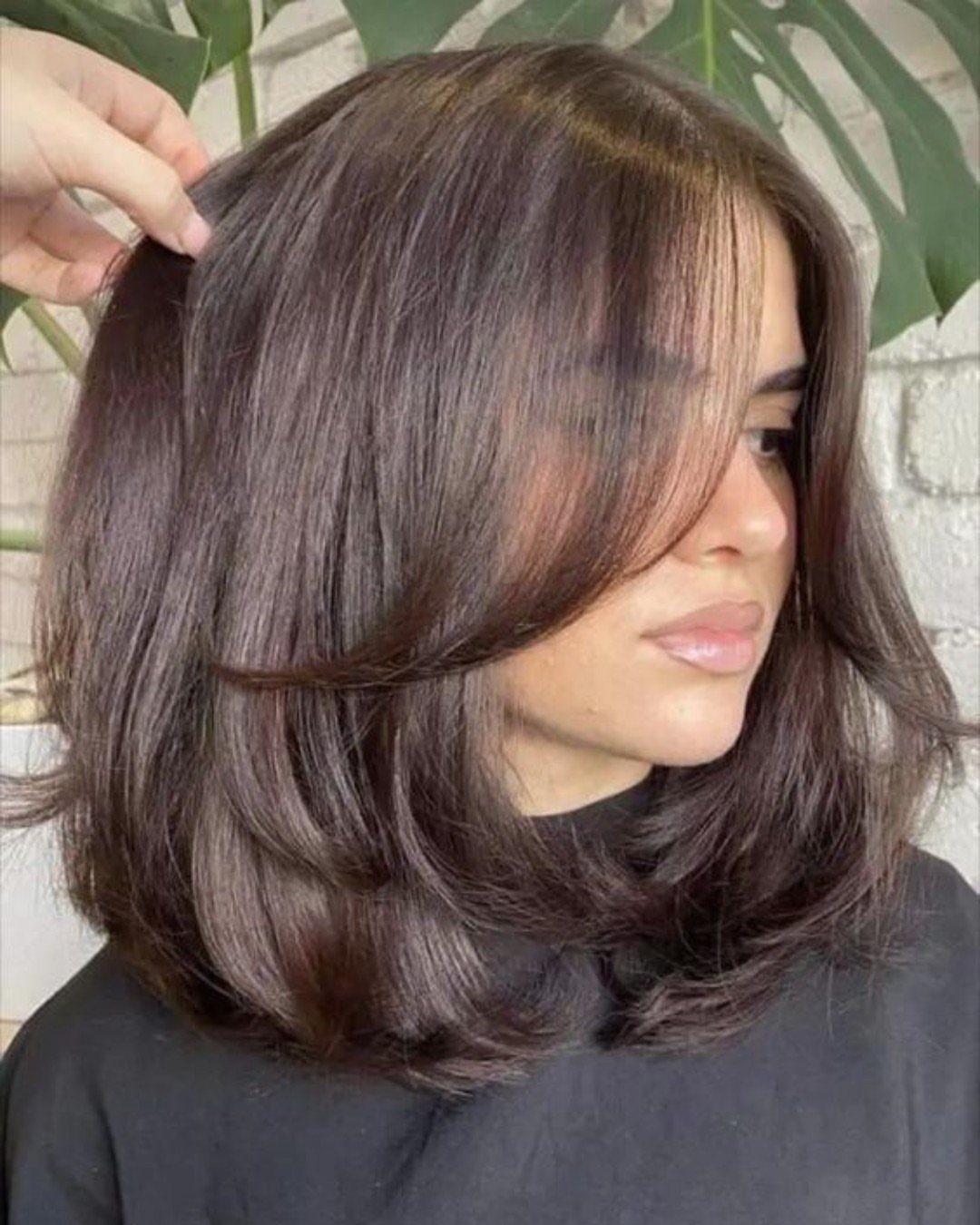
Feathered layers that flick outward, paired with bangs, give the butterfly bob its wing-like shape. The layers do the work, so a plain one-length cut won’t get you there.
I’d choose it for brown hair that needs movement. Tell your stylist you want the short layers to start around the cheekbones, and bring a photo so the amount of volume is clear before any cutting starts.
A round brush and a quick blow-dry set the flick. Layers and bangs both need trims to hold the shape.
18. Boxy Bob
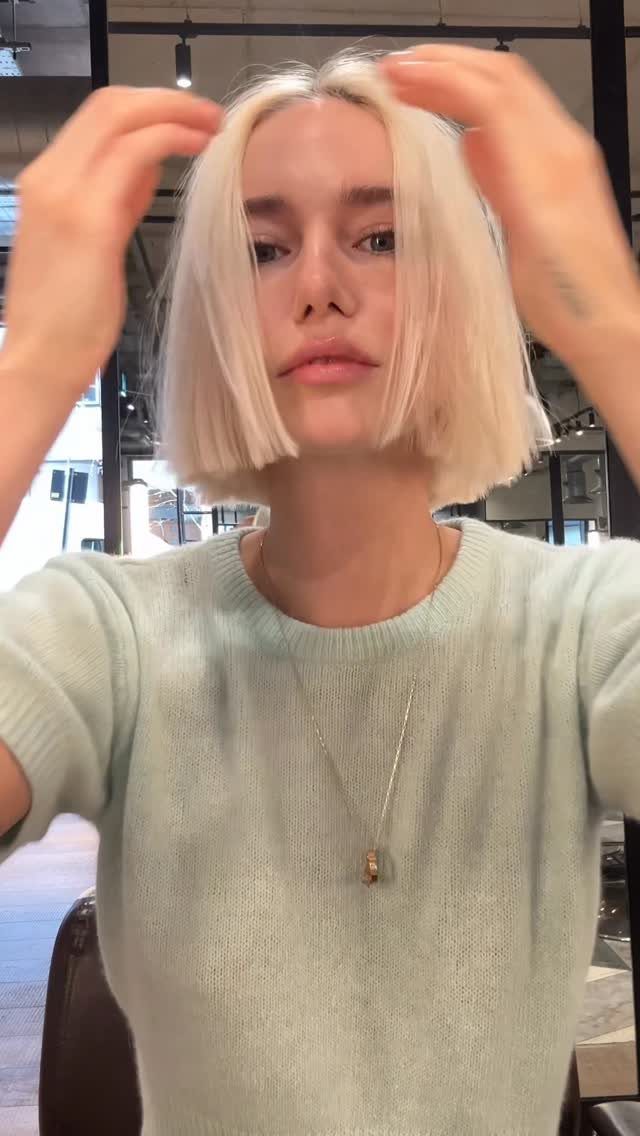
Blunt and structured, the boxy bob has a straight, heavy line with little curve at the ends. That weight is why it works well on thick hair, which holds the shape without much help.
Platinum blonde makes the edges look graphic. Ask for a precise cut with the ends kept even, and avoid heavy layering, which breaks up the box.
Blonde at this level needs upkeep, and thick hair can puff out if the line goes soft, so trim often.
Choosing the Right Bob
A bob lives or dies on three things: your face shape, your hair texture, and small choices in length and layering, and the wrong mix is how you end up growing the cut out by month two.
A square face does well with a shorter bob and soft layers.
Texture matters just as much. Thick hair does better with a longer bob and layers that thin out the bulk, while fine hair gains volume from a shorter length with textured layers.
Lifestyle counts too. On rushed mornings, a shorter bob that styles itself is the easier choice, and if you like a looser routine, a longer cut with soft layers suits you better.
Maintenance Tips for Bobs
Plan a trim every 6–8 weeks.
Wait longer and the length keeps creeping down, and the shape you paid for slowly disappears. Staying on that schedule also keeps split ends from creeping up the hair.
Between cuts, a deep conditioning treatment or hair mask every other week keeps the ends hydrated. Detangle with a wide-tooth comb so the bob stays smooth and tangle-free.
Washing 2–3 times a week is plenty for most bobs. Choose good-quality products free of harsh chemicals.
For styling, keep it simple: a serum before you style is often all a bob needs. Fewer products means less buildup and a faster routine.
Styling Techniques
Match the tool to the bob you have.
A wand works the same way if you prefer one.
Texture sprays are best saved for hair that needs grip, so add them after drying rather than before.
Frequently Asked Questions
What is a bob haircut for women?
Anywhere from the jawline up to the ears counts as a bob, and a cut that grazes the shoulders still qualifies if the ends are blunt and even.
It can be blunt, layered, curly, wavy, or worn with or without bangs, which is why it comes in so many versions. Chin length is the classic spot, but the length shifts with face shape and hair texture.
What is the most flattering bob length for an older woman?
For most women over 50, a bob ending right at or just under the chin looks best, while a little extra length draws the face downward and makes it look longer.
No single length works for everyone, so adjust it to your face shape, hair texture and routine.
What is a feminine hairstyle?
A soft, face-framing bob is an easy feminine choice.
Curtain bangs, gentle waves, or a rounded bob with ends curling in toward the face all add softness. A long bob with a soft, slightly blurred edge instead of a razor-straight one reads as light and easy to wear.