Your pattern decides which of these ideas is yours, and a strand tells you before any stylist does: wash it, let it dry with no product, and see whether it travels in a loose S (waves) or closes into a spiral (curls).
The list starts with hair texture and a wavy lob for loose waves, then moves through curly hair characteristics, daily care, weather, and the way age changes texture.
Many heads carry both patterns, so some of these will apply to different sections of the same hair.
1. Hair Texture
Texture decides the haircut before any trend does, so start by naming yours: straight, wavy, curly or coily. Each one holds a shape differently, and a cut made for your pattern looks intentional instead of fighting you.
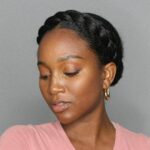
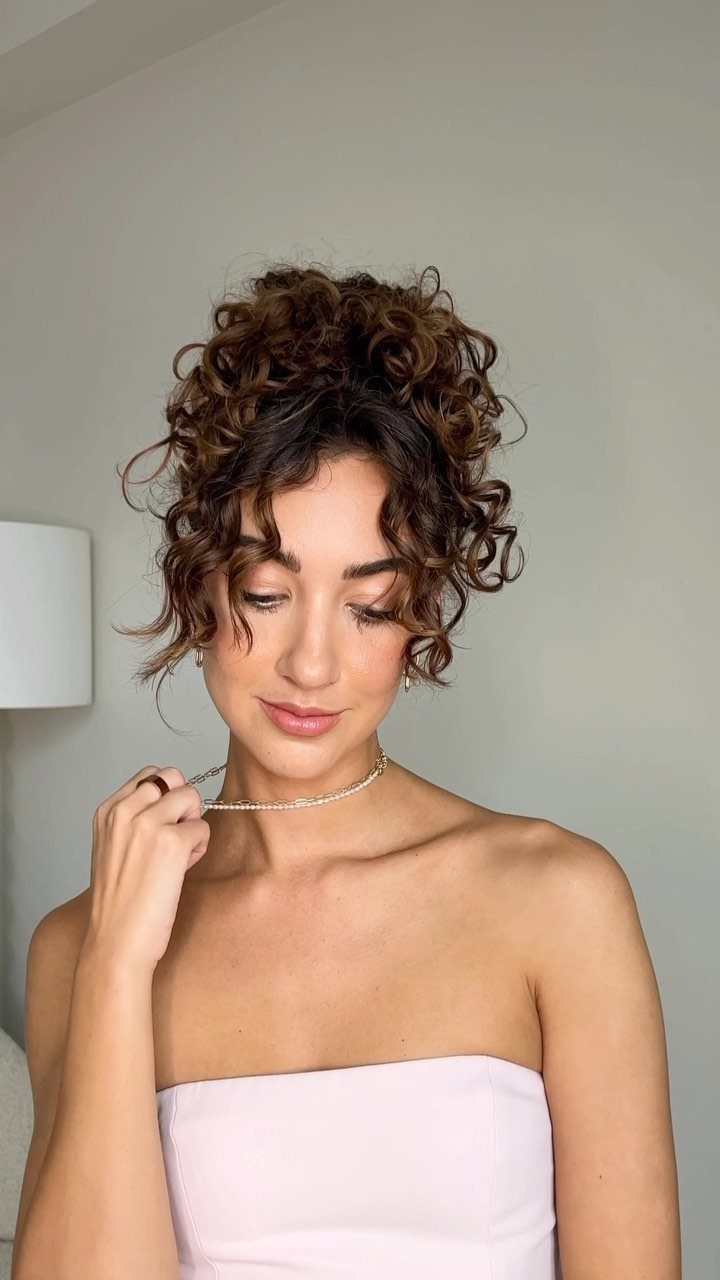
An updo on natural texture holds together because the curl or wave grips itself, so you need fewer pins and less product than on straightened hair, and the shape looks fuller for it.
Skip the flat iron, pin it up loosely, and let a few curls fall out. A messy updo like this suits wedding season, since the texture gives you volume without teasing.
Choose the cut first, then the style.
2. Wavy Hair and Curly Hair
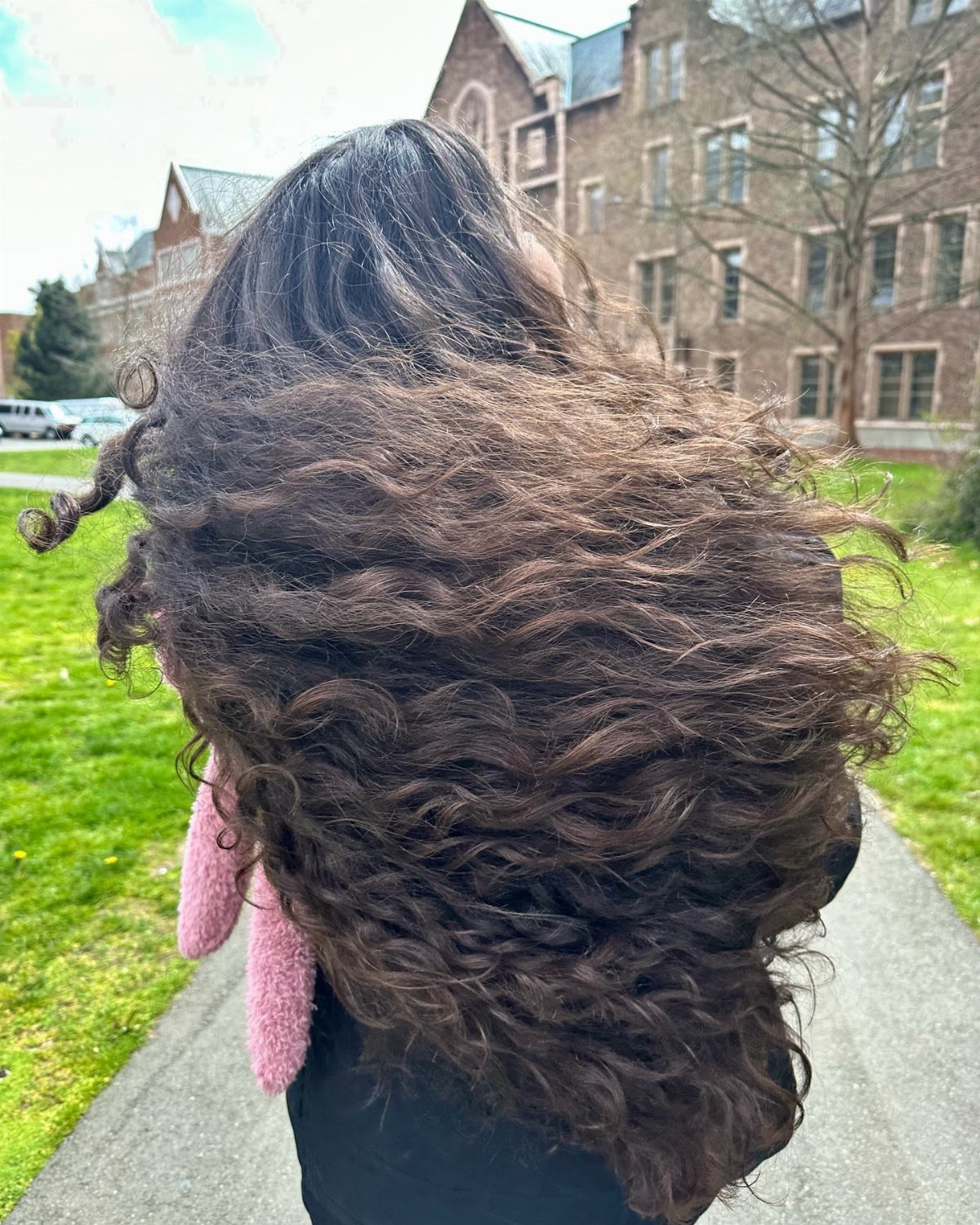
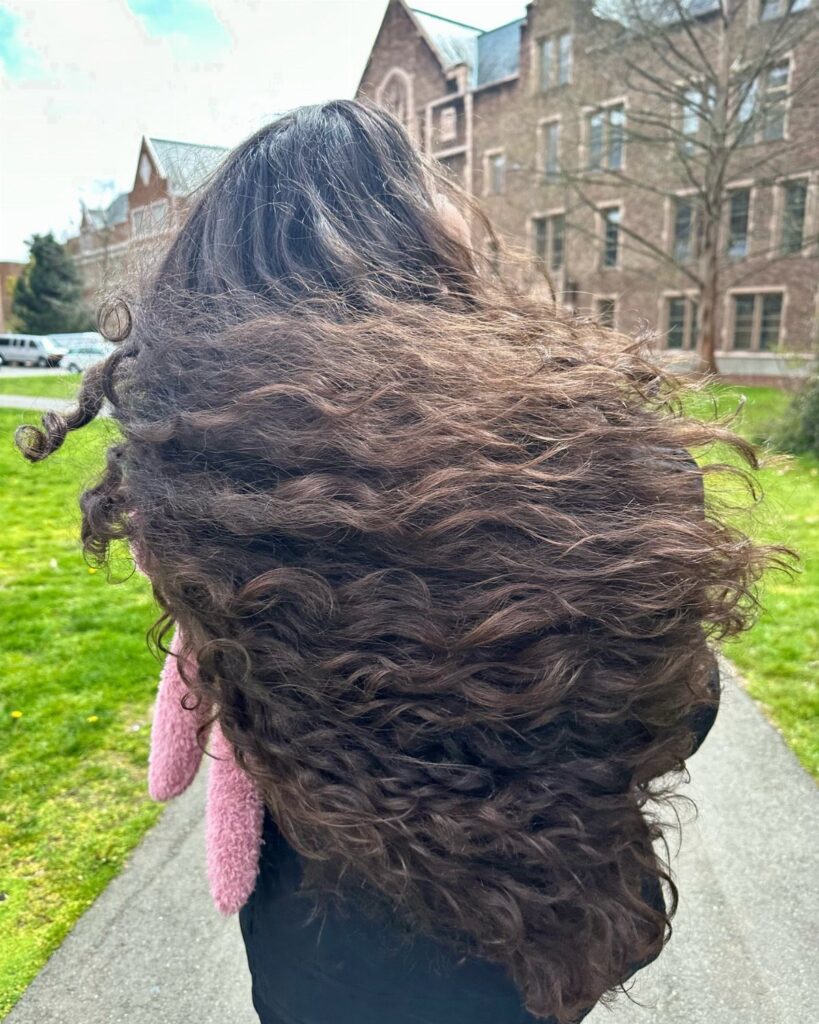
Wavy and curly hair can share one head. Long hair like this often bends in loose waves near the roots and tightens into curls toward the ends, so one person may need two kinds of care.
Treat each section by what it does.
Use lighter products on the wavy parts so they don’t go limp, and give the curlier lengths more moisture. A long layered cut helps both patterns move together.
3. Wavy Lob for Loose Waves
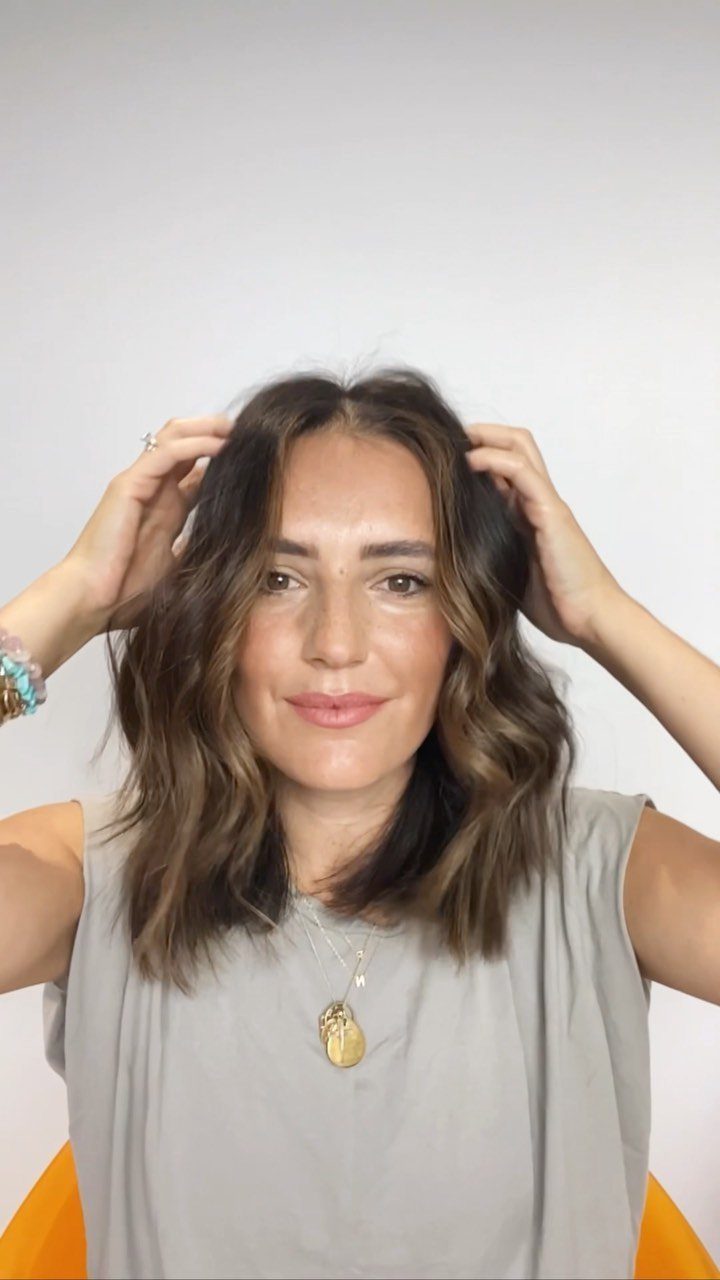
A lob, a long bob that skims the shoulders, is the cut I would pick for loose waves. It keeps the length short enough that the movement shows without heavy styling.
It flatters Asian hair in the 1C to 2A wave range, where the bend is gentle and the hair can look flat when it’s very long. Ask for subtle layers, not blunt weight, so the waves have room to move.
Air-drying is usually enough.
4. S-shaped Pattern for Wavy Hair
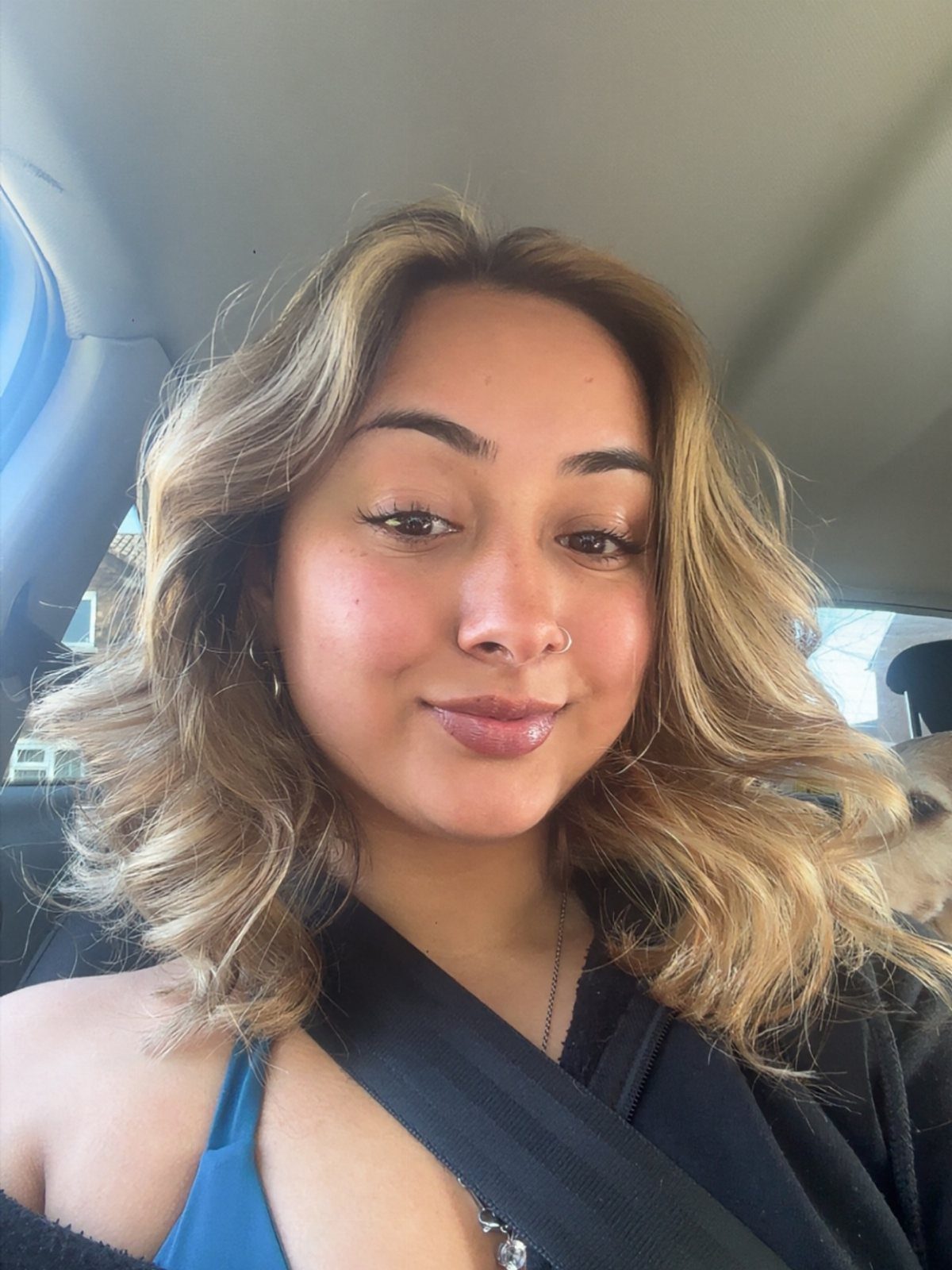
Look at a single strand of wavy hair and you will see it travel in a loose S, swinging one way and then the other without ever curling back to meet itself. That one detail separates waves from curls.
To check yours, wash your hair and let it dry with no product, then look at a single strand. If it makes an S, you have waves.
Keep products light, since heavy creams flatten the pattern. Highlights, like the honey tones here, tend to show the S-bends nicely because the color catches each turn.
Type 2 waves are fluid, can be fine to coarse, and have a signature “S” pattern that hangs closer to the head. This hair type “takes the most amount of time and work to form a curl,” says Brooklyn-based hairstylist Jonathan Matais-Bernard.
— Allure
5. Curly Hair Characteristics
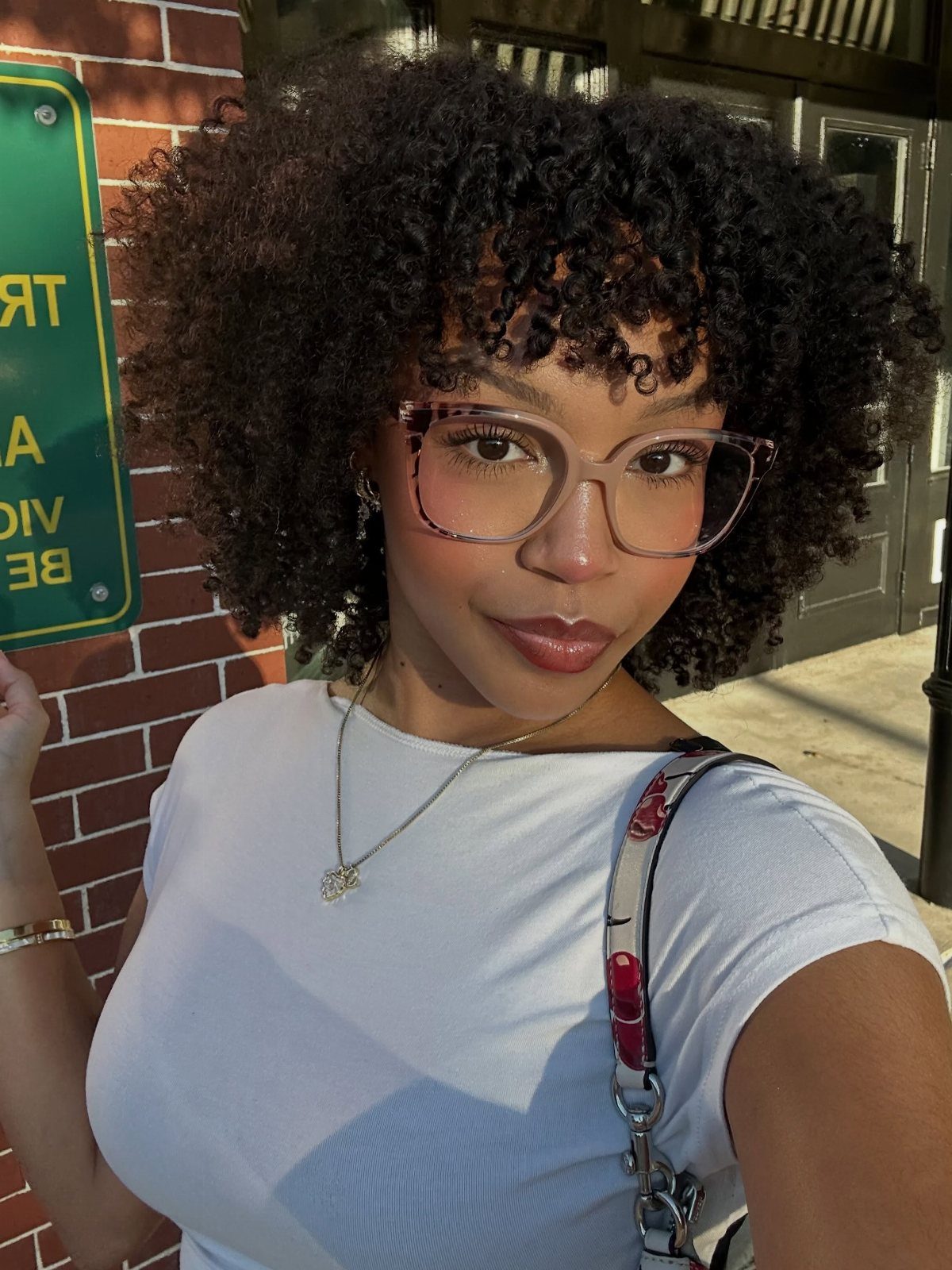
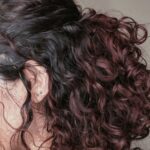
Curly hair forms defined spirals or ringlets, and that coil is what gives it so much volume. Because the pattern is tighter than a wave, the hair also tends to feel drier.
Moisture comes first for curls, so I reach for a conditioner that stays in after rinsing, and I only detangle when the hair is wet and slick.
Skip brushing it dry, which breaks up the curl clumps and leaves frizz. Cut it with the curl in mind, since each ringlet shrinks when it dries.
Daily Hair Care Tips
Wavy and curly hair want different things in the shower, so a routine copied from a friend with the other pattern can backfire.
Curls usually do well with sulfate-free shampoo, a heavier conditioner and a deep conditioning mask. Waves often do better with a lighter touch, and some skip rinse-out conditioner for a light leave-in.
Buildup hurts waves fastest. If yours look flat or greasy, use a clarifying shampoo now and then, and keep in mind that sulfate-free formulas may need that occasional reset.
Cowashes, which clean gently and hold moisture, suit curls but are usually too mild for waves.
A microfiber towel or an old cotton T-shirt gently blots water out, where a rough bath towel roughs up the cuticle and breaks up the curl pattern.
It cuts frizz, and it keeps the pattern from getting roughed up. A trim every 8–12 weeks keeps split ends from pulling the pattern out of shape.
Impact of Weather
When your hair looks curly early in the week and loose by Thursday, check the forecast before you blame your products.
Damp air usually adds volume and can swell the hair, which often brings frizz. Thirsty strands droop and lengthen, while well-moisturized ones bounce back into shape.
Extra length pulls on the shape too, so a trim can bring back some bounce.
A few habits, like gentle detangling and enough conditioner, help both wavy and curly hair in every season.
Diffusing speeds up drying and helps set definition and volume. Plopping absorbs extra water while encouraging the shape to form.
Squish to condish, which means squishing conditioner into wet hair, adds moisture and helps strands clump. Round brushes and flat irons pull the pattern out of line, so they come out only on days I want straight hair.
Age and Hair Texture Changes
Texture is not fixed for life.
Aging, hormone shifts and lower density can all change your texture, and sometimes better hydration is the only difference. That is why some people find waves or curls they never knew they had.
If your pattern seems to be changing, adjust the routine before you change the cut.
Curly hair runs drier because natural oils have a twisty path to travel down each strand, so new curls may need more moisture than your old routine gave.
Plenty of women who call themselves "just wavy" find real curls after a few months without brushing dry hair, with less heat and with more moisture. Give any new routine a few weeks before judging it.
Frequently Asked Questions
Which is more attractive, curly or wavy hair?
Neither wins on looks; it depends on the cut and the care behind it.
Waves read as soft and easy, and curls give spiral definition and a lot of volume. Either one looks best when the cut and routine suit the pattern instead of fighting it.
How do I know if my hair is curly or just wavy?
Start with clean hair that air-dries with no product on it, then study one strand from root to tip. If it travels in a loose S, you have waves.
A curl closes into a spiral or ringlet that circles back on itself, while a wave only bends in a loose S. Waves also tend to look straighter when weighed down and may be flatter near the roots.
Can hair become curlier over time?
Yes. Age, hormones, thinner density and even a better moisture routine can shift your natural pattern.
Plenty of women who thought they were just wavy find real curls after a few months of less heat, more moisture and no brushing while dry.