These ideas range from a single scrunchie or pillowcase to a longer look at what’s on your plate, and the one that fits depends on where your hair actually breaks or gets irritated.
Heat styling several times a week points to a protectant labeled "Protects up to 450°F" and a lower tool setting.
Tangles and frizz overnight point to silk. An itchy scalp or limp roots point to a handheld rinse and a little scalp oiling, while breakage near the ends points to a heat protectant and a microfiber towel.
1. Heat Protectant
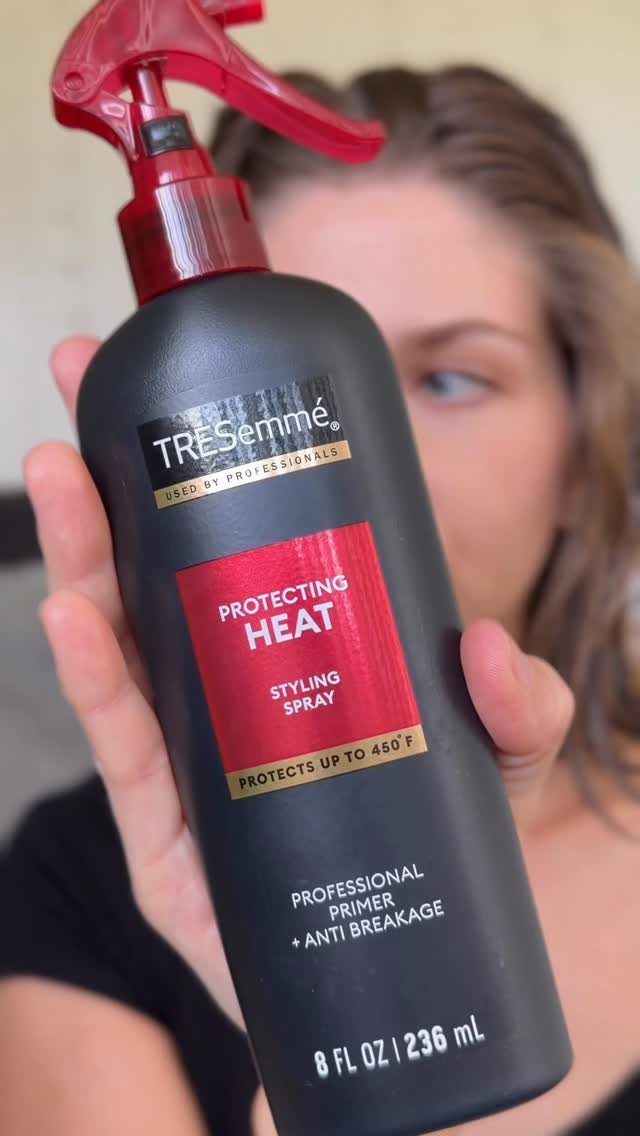
A bottle that reads "Protects up to 450°F" sets the ceiling for your tools, so check that number against your flat iron or curling wand before you plug anything in. Set the iron at or below the label’s limit.
Spray it on damp or dry hair before the heat touches it. The label also mentions anti-breakage, which is the part I care about most if you style several times a week.
Skipping it saves a step and costs you the ends.
2. Microfiber Towel
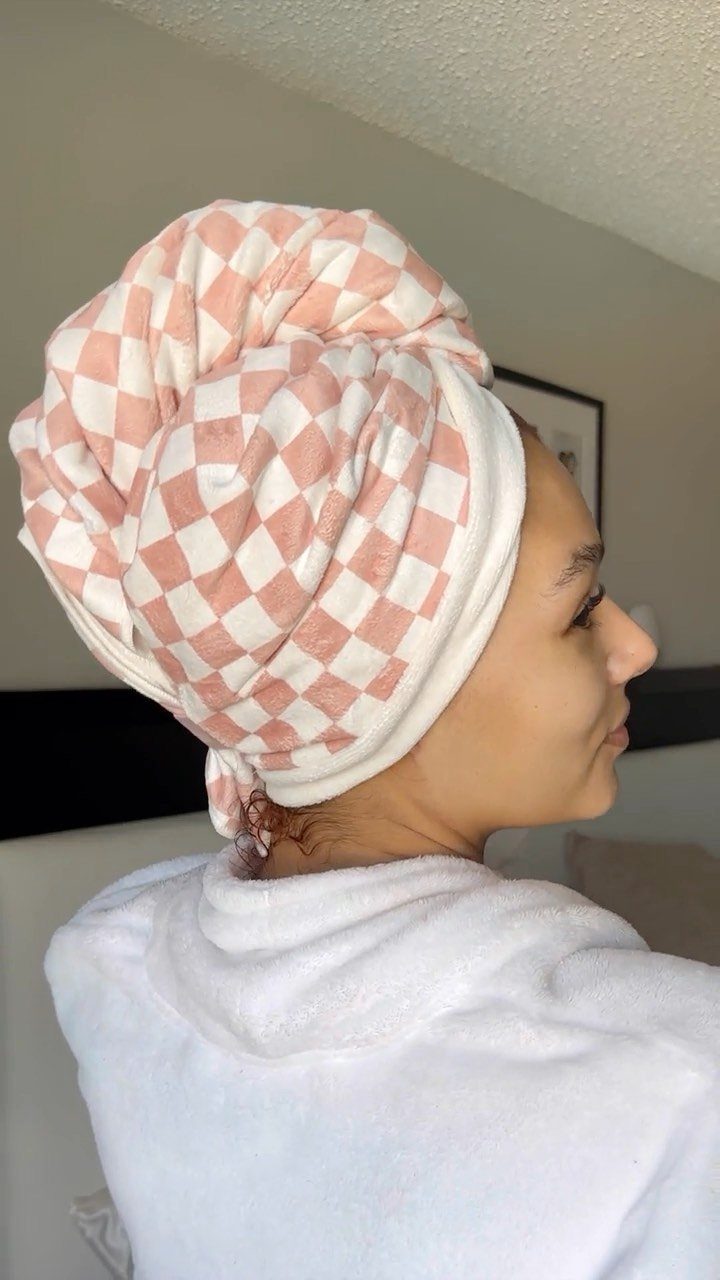
Terry cloth roughs up wet hair, and a microfiber wrap, like the pink and white checkered one here, is the easy swap. Wet strands are at their weakest, so less friction means less frizz and breakage.
Wrap it on right after you step out of the shower and leave it while you brush your teeth or get dressed. Skip the vigorous rubbing; press and squeeze instead.
A wrap also frees your hands, which a bath towel never does.
3. Silk Pillowcases

All that tossing against cotton adds up overnight, which is why I like a silk pillowcase for hair that tangles or frizzes. Silk gives the strands a smooth surface to slide over instead of catch on.
A gold one looks good in a bedroom, but color is your call. Buy a size that fits your pillow and swap it in as you would any case.
It costs more than cotton, so start with the pillow you sleep on most.
4. Silk or Satin Scrunchies
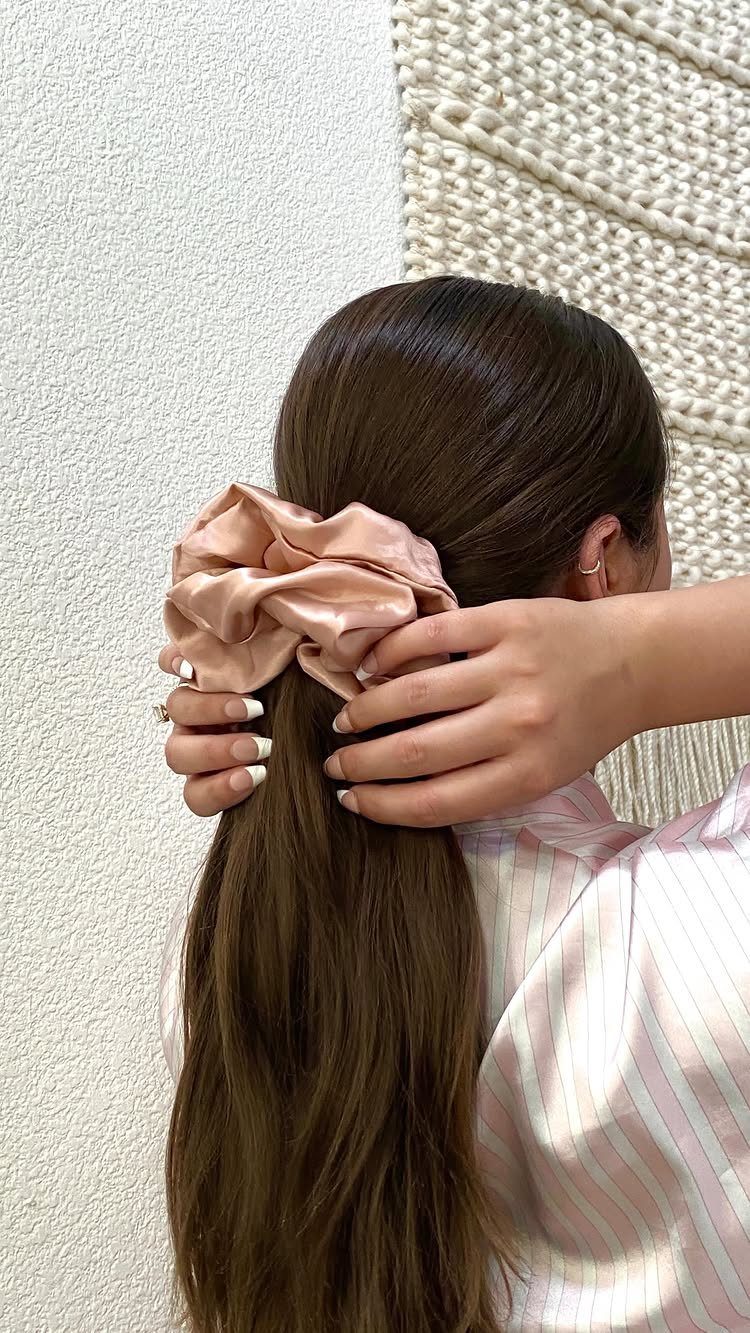
Thin elastic bands tug hair at the exact spot where it breaks. An oversized satin scrunchie, like the champagne one here, spreads that grip over a wider area.
Wear it on a low ponytail rather than a tight high one. Wrap it just until the hair holds, then stop; snug is enough.
Silk works the same way if you prefer it. Keep a couple by the bed and the bathroom sink so you actually reach for them.
5. Handheld Shower Head Rinse
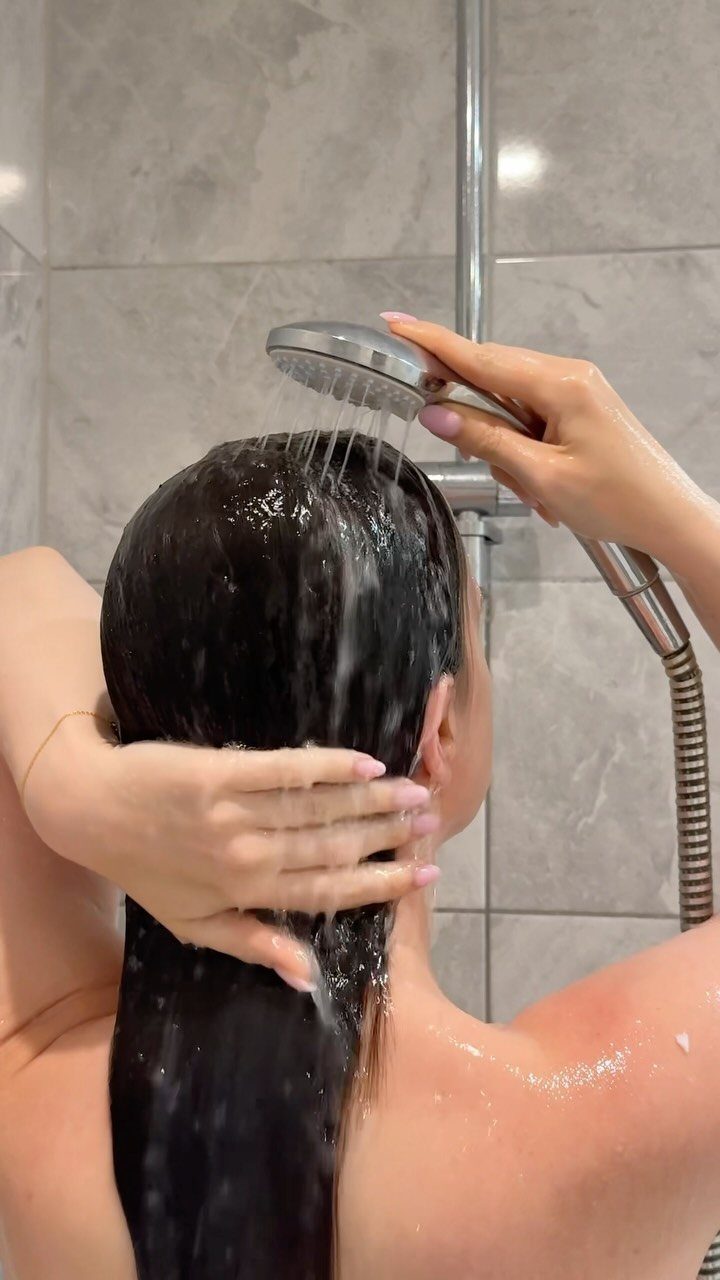
Leftover shampoo is a common reason for itchy scalps and flat roots, and a handheld shower head makes rinsing it out much easier. You can aim the water right at the scalp instead of hoping it reaches.
Work in sections: start at the crown, then the nape, then behind the ears.
Run your fingers through the roots as you go. Rinse until the water runs clear and the hair squeaks slightly between your fingers.
Long, thick hair benefits most.
6. Scalp Oiling with a Dropper
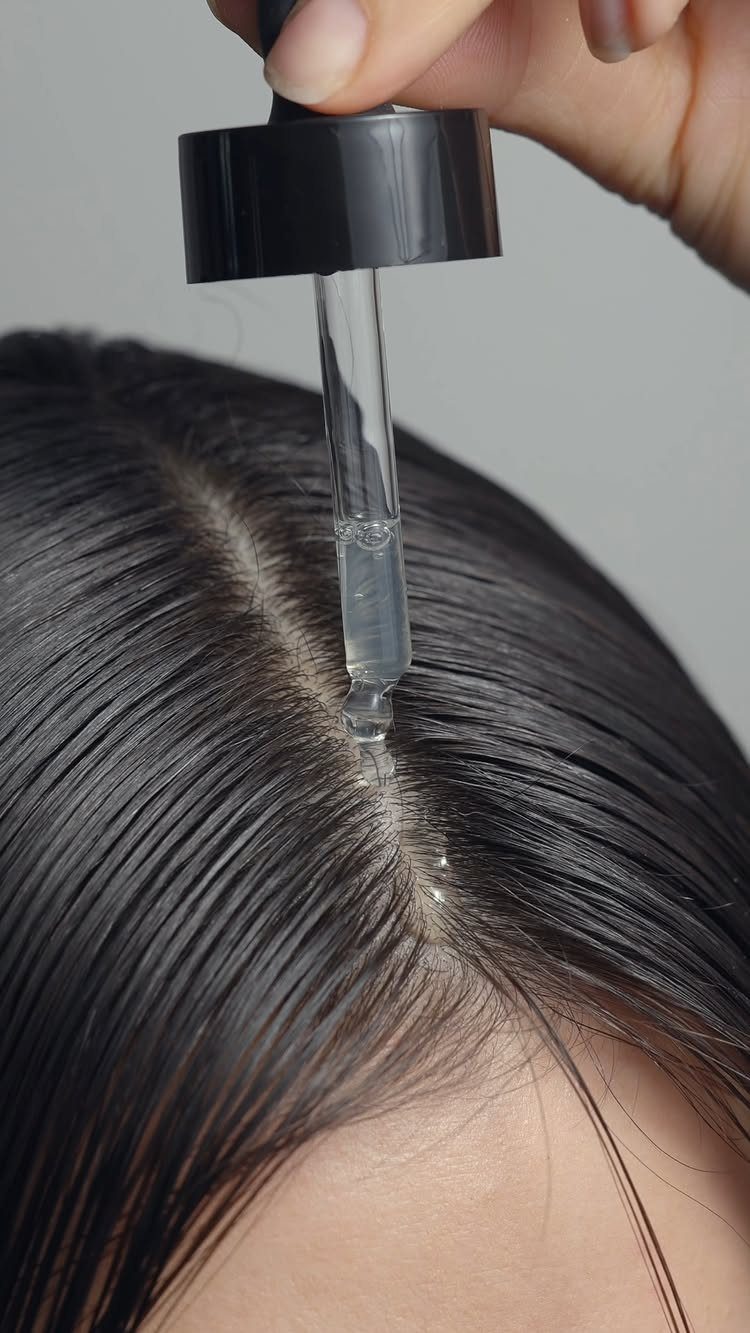
A glass dropper gives you control that pouring never will. Part the hair, squeeze a few drops of oil along the part, then move over about an inch and repeat.
Keep it light.
Oil goes a long way on the scalp, and too much leaves roots greasy by evening. Massage it in with your fingertips, not your nails.
I like the dropper for precision, but it takes patience. If you rush, you end up with a few oily patches and dry spots between them.
7. Oil Applicator Comb
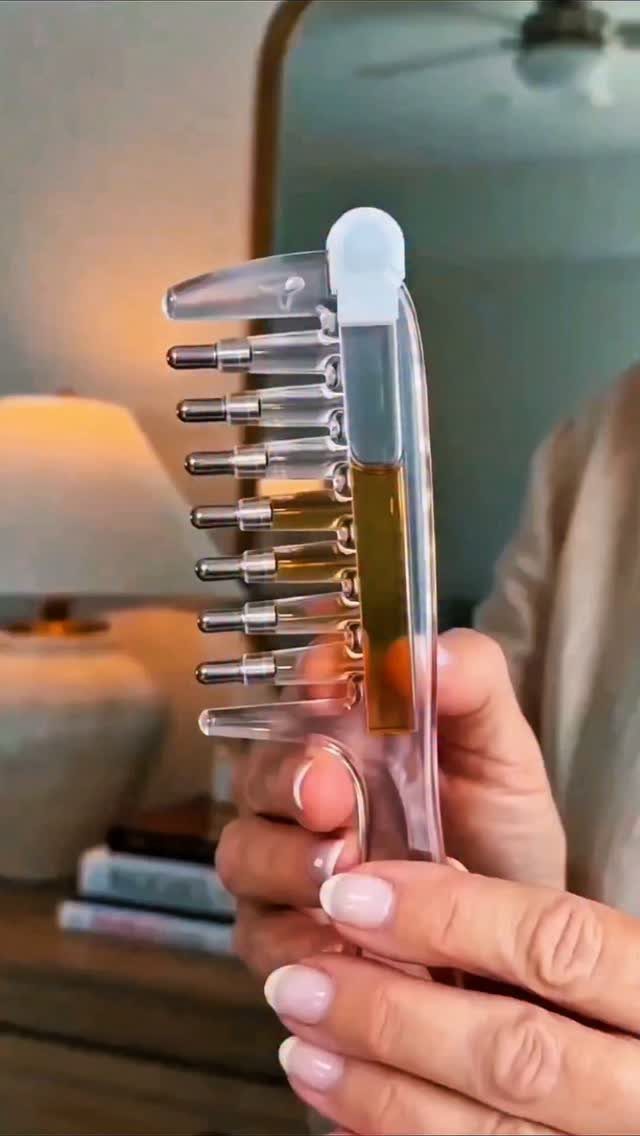
A comb with a built-in reservoir puts oil right at the roots, and the clear plastic body lets you watch the golden oil level drop so you know when to refill.
Part your hair, then run the teeth along the part so the oil lands on the scalp instead of the lengths.
Move section by section, and keep the pass light. Two or 3 drops of oil are plenty, because anything more weighs down fine roots and they go limp by dinnertime.
It’s tidier than pouring and faster than a dropper, though you get less precision. Wash the comb now and then so old oil doesn’t build up in the teeth.
Scalp Health Importance
How often you wash depends on your hair type: fine, straight hair tends to need it more than thick or coily hair.
Straight or oily hair can handle daily or every other day, wavy hair does well with 2–3 washes a week, and curly or coily hair often needs only one wash a week or less.
Let the foam run down the lengths instead of working it through them.
Lukewarm water is the better choice, because hot water pulls out the natural oils your hair depends on. If you sweat a lot from workouts or sun, you can wash a bit more often.
Once a month, swap in a clarifying shampoo to clear out product buildup. If your scalp feels dry, a sulfate-free formula is gentler, though it may feel less "squeaky clean" than you expect.
“Washing frequency depends entirely on texture and lifestyle. Fine or oily hair may need washing every 1–2 days, while curly, coily, or textured hair often thrives with less frequent washing (just once a week could do the trick).”
— Vogue
Diet Impact on Hair
Hair reflects what you eat. Hair that isn’t getting enough nutrition turns dry and snaps easily, while a diet full of nutrients keeps strands shinier and stronger.
Make sure you get enough protein at each meal, since hair is built from it. Citrus, berries, nuts and seeds are easy ways to get more vitamins C and E.
Food works slowly.
Give a change of eating habits a few months before judging it, and don’t expect it to fix damage already on your ends. Trimming handles that.
Heat Styling Precautions
Air-drying when you can is the simplest way to cut heat exposure, and the American Academy of Dermatology Association recommends it. On days you do use a dryer, skip the highest setting.
Keep every tool at the lowest temperature that still gets the style to hold. Hotter is rarely better; it mostly adds breakage.
Water temperature matters too. Very hot showers dry out your scalp, skin and hair, so keep the water comfortably warm.
Frequently Asked Questions
How can I prevent hair damage?
Spray a heat protectant before any hot tool touches your hair, and set the tool to the lowest temperature that still holds the style.
Letting hair air-dry when time allows means less heat overall, and a bottle that says "Protects up to 450°F" is telling you the ceiling for your flat iron or wand.
Gentler habits help too: a microfiber wrap instead of a terry towel, a satin scrunchie on a low ponytail, and a silk pillowcase at night all reduce friction on fragile strands.
How do I keep my hair healthy naturally at home?
Start with the scalp and cut down on friction and heat. Rinse shampoo out fully, wash in lukewarm water, and lightly oil the scalp if it feels dry.
Aim for a solid serving of protein at every meal, and add citrus, berries, nuts and seeds for their vitamin C and E. Hair grows slowly, so a diet change needs a few months before you can fairly judge it.
What are the do’s and don’ts of hair care?
Do use a heat protectant, press your hair dry with a microfiber wrap, and trim regularly to deal with damaged ends. Hot water strips the natural oils your hair relies on, so keep the shower warm instead.
Don’t set tools higher than they need to be, because hotter mostly adds breakage. A tight, high ponytail held by a thin elastic pulls on the same spot every day, and that is where strands snap.