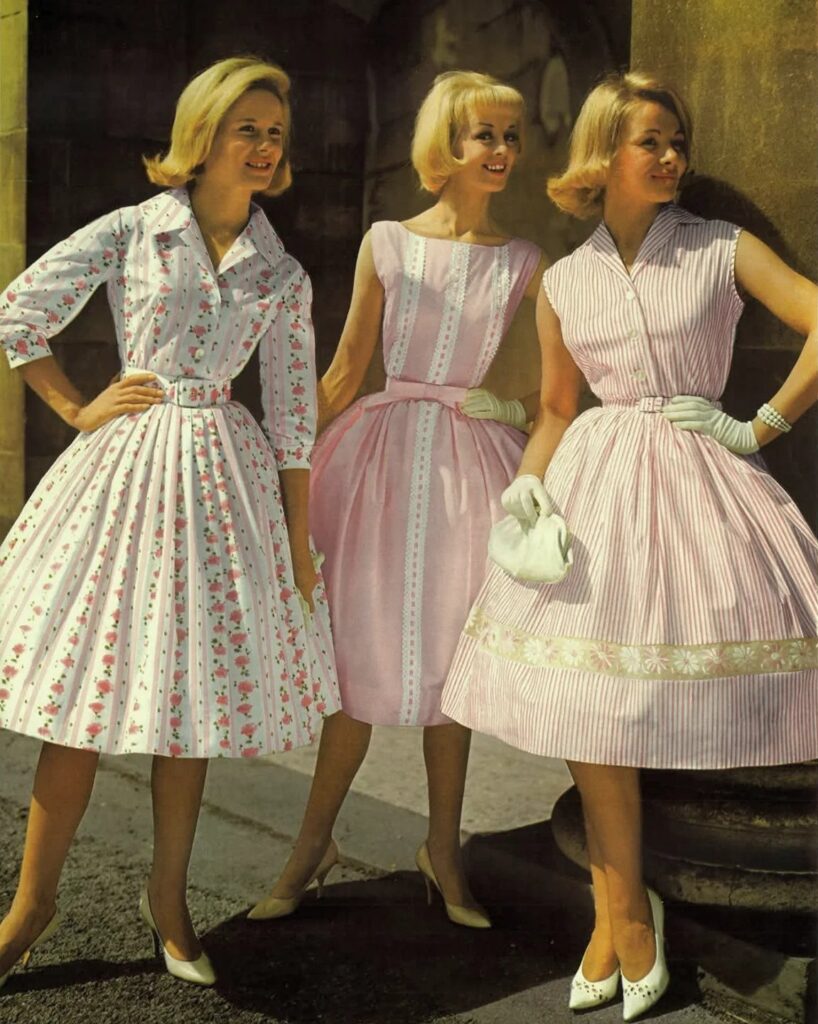
Hems in this list run from the 1960s mod mini to the Victorian prairie style, and the choice comes down to coverage and movement: a short mod shift skims the body and shows leg, while a prairie dress with a high neckline and long sleeves covers nearly everything.
Every dress here can go back within 30 days, which is enough time to test that fit in the shoes you plan to wear.
1. Dresses Designed to Enhance Femininity
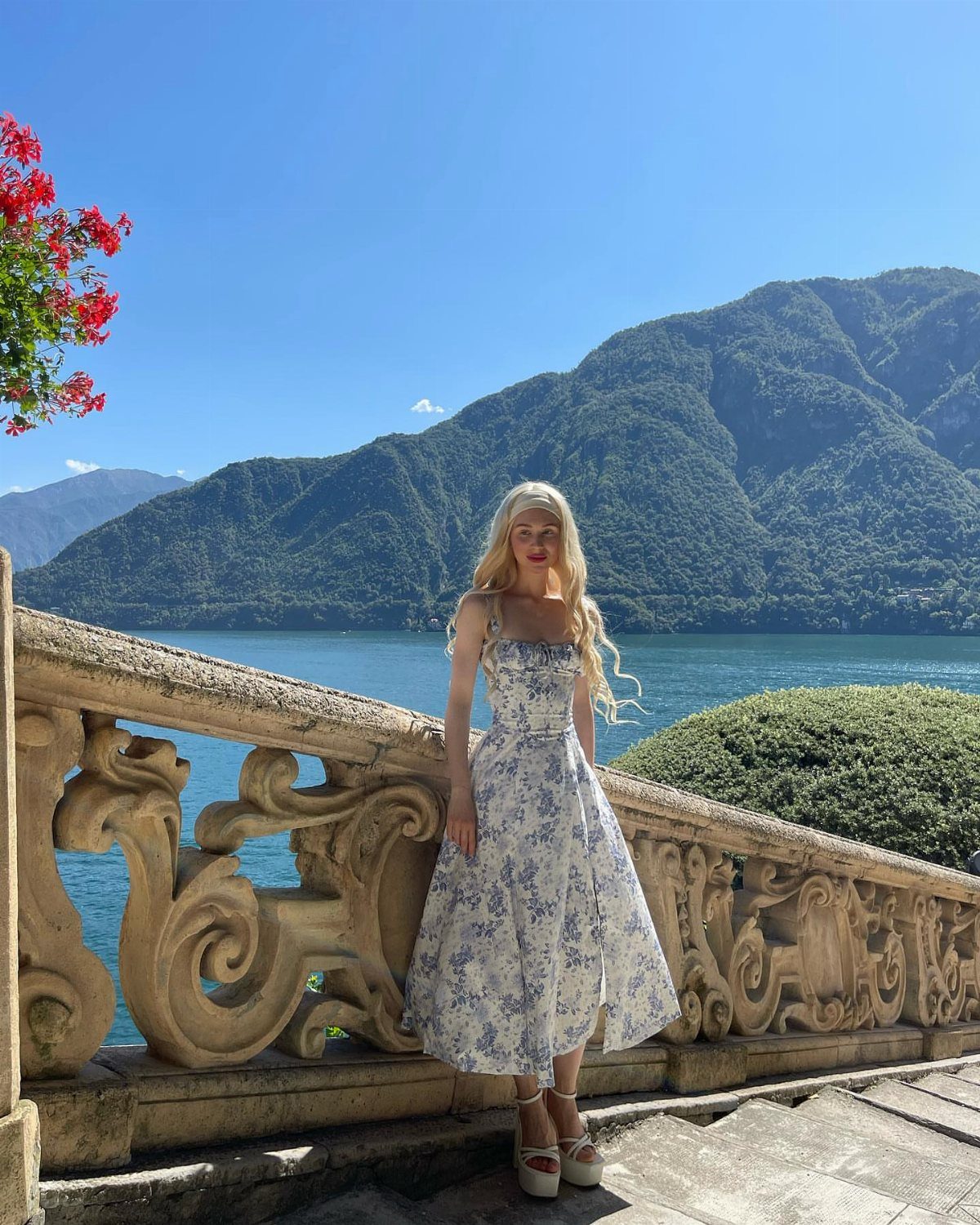
A midi hem with a printed blue and white floral is the safest route to a feminine vintage look, and white heels keep it light.
A fitted bodice with a skirt that moves is the shape I’d look for, since it defines the waist without any extra belt.
Small prints read softer than large ones. A pale base like this one works beyond a single occasion once you swap the shoes: flats for daytime, heels for evening.
2. Vintage Wedding Dresses
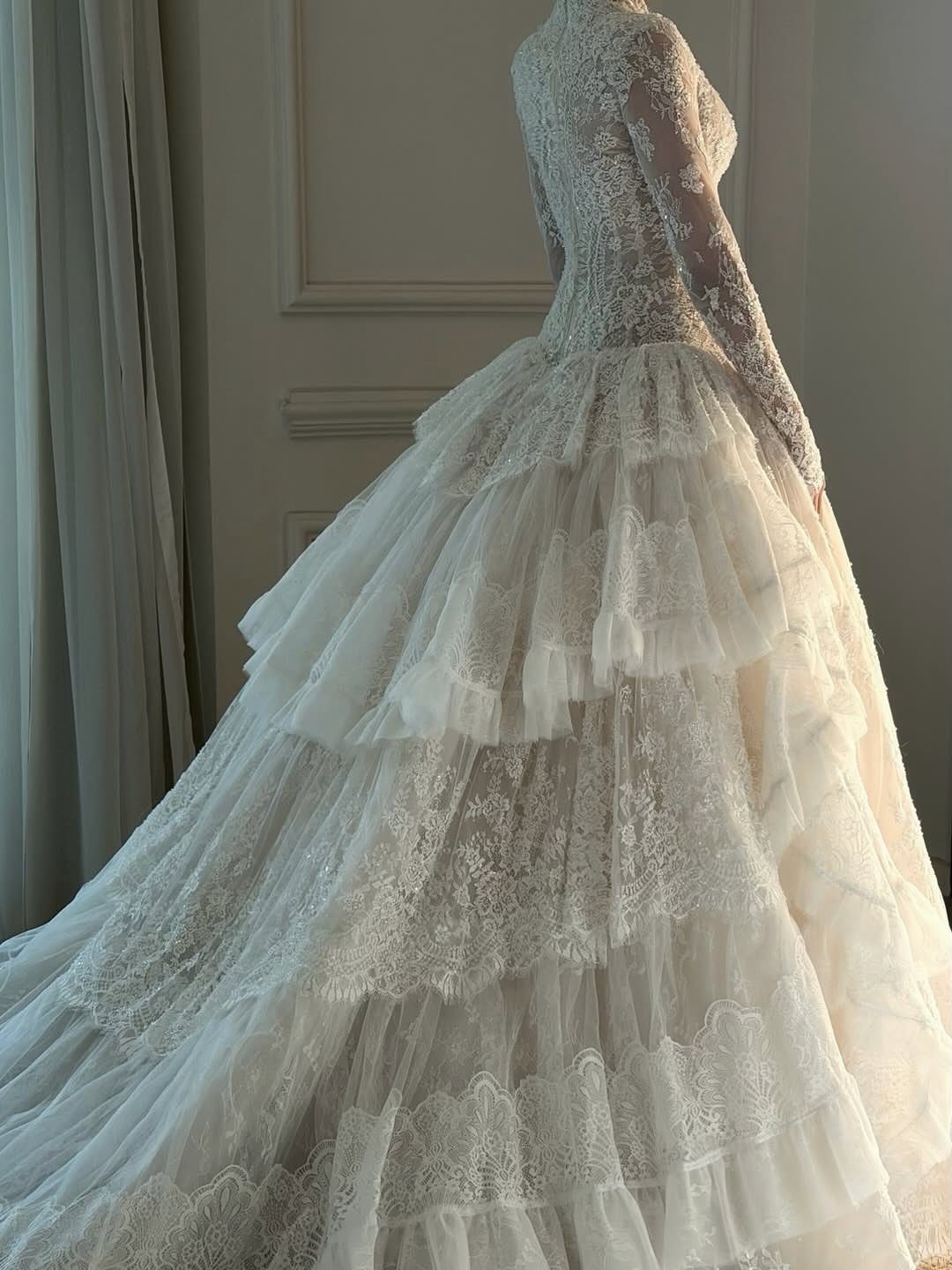
Long sleeves, lace and a tiered skirt: that combination gives a wedding dress its old-fashioned character without a single costume detail. Tiers add volume at the hem, so the bodice should stay simple and fitted.
I like lace sleeves for anyone who wants coverage and shape in one piece.
A full tiered skirt takes up room, and that cost is real, so try the dress on in the space you will actually move through before you commit.
3. Party Dresses with Polka Dots
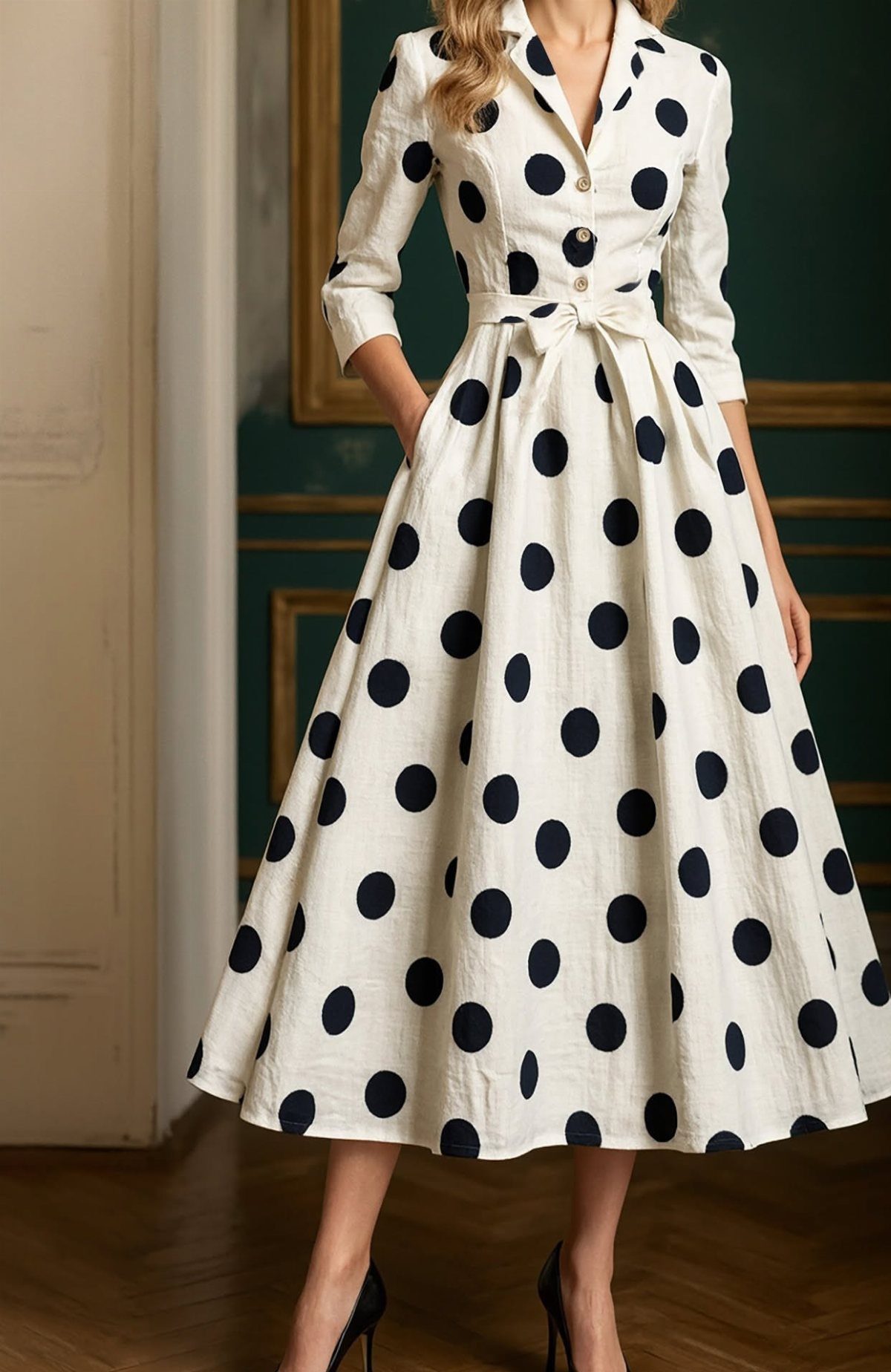
Large polka dots on a white midi are bolder than the tiny dots most people picture, and they read as confident rather than sweet.
A button front and a tie waist let you set the waistline exactly where you want it.
Black heels keep the contrast crisp. My preference is to leave the jewelry minimal, because the dots already do the talking, and to knot the tie slightly off center for a softer finish.
4. 1960s Mod Mini Dresses
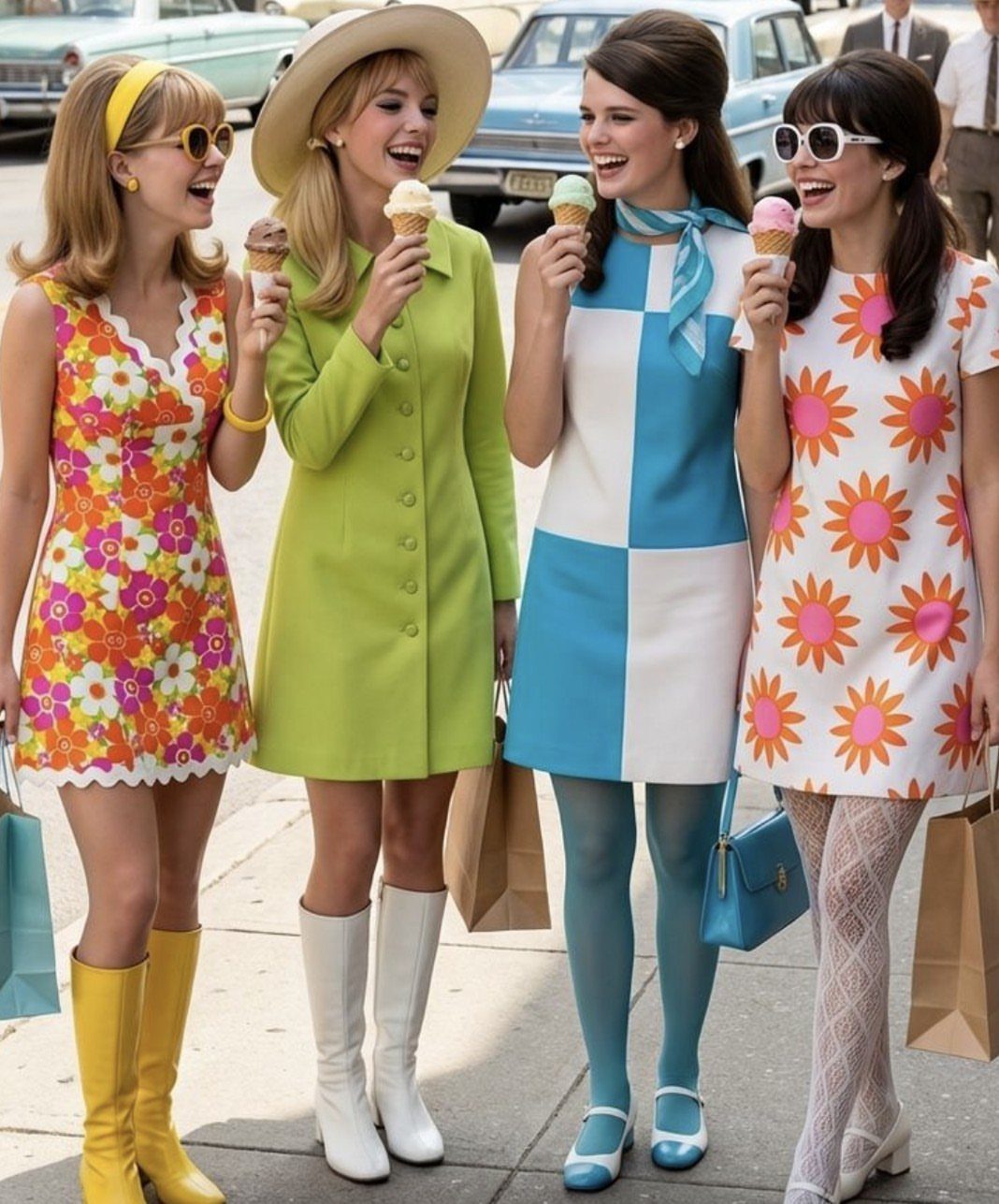
Bright color blocking and a short hem define the 1960s mod mini, and boots finish it. Go-go boots against a mini keep the proportions graphic: lots of leg, one clean line of dress.
This is the least forgiving idea on the list for anyone who wants a relaxed fit, so choose a shift cut that skims rather than clings. Pick one bold color and let the boots stay simple.
5. Victorian Prairie Style Dresses
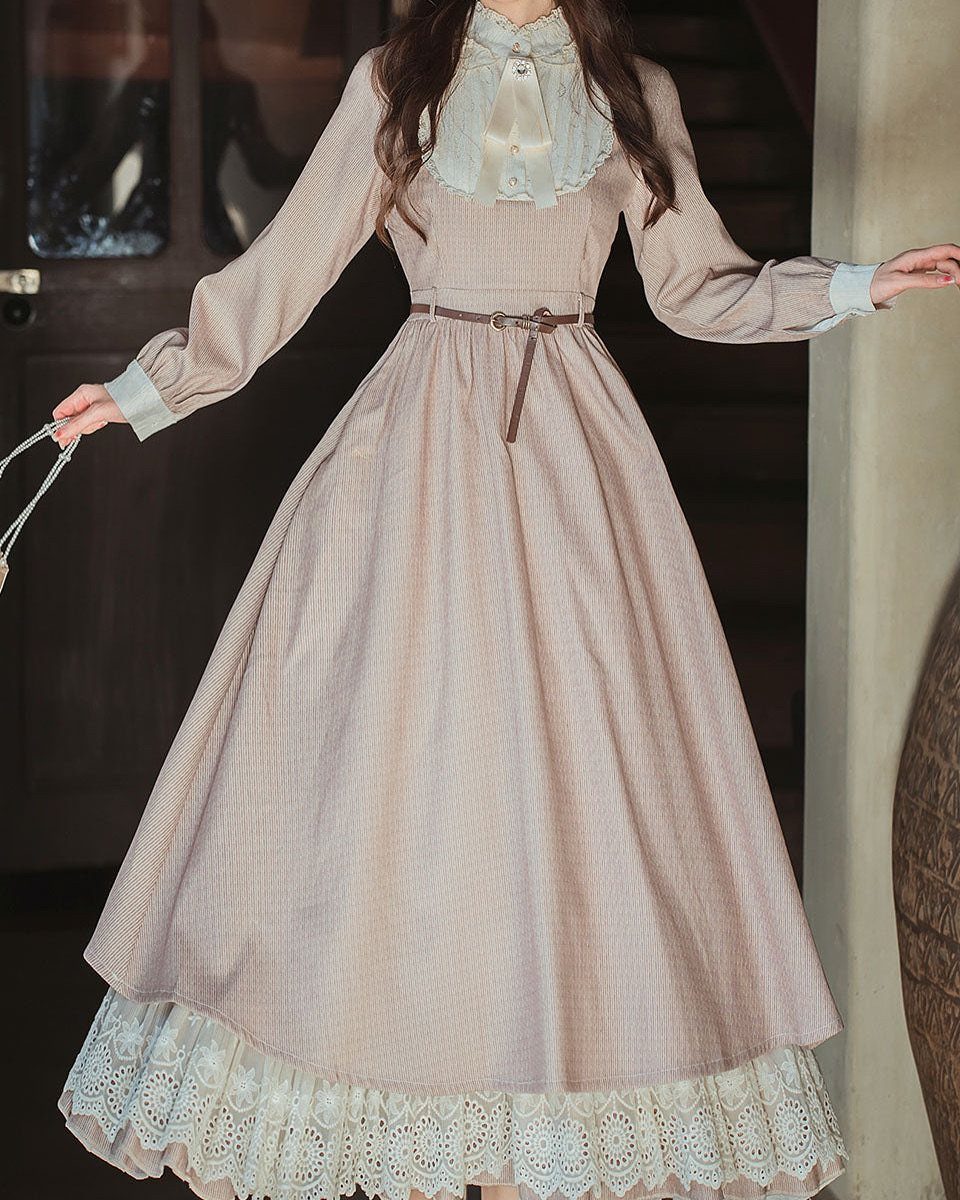
A high collar, long sleeves and lace at the neck and hem give this dress its Victorian, prairie feel. Stripes keep the lace from tipping into costume, which is why I prefer this version over an all-lace one.
Coverage is the appeal here, so it suits anyone who likes a modest neckline.
A high collar can feel closed in on a warm day, and that is the price of the look. Wear your hair up to show off the collar detail.
6. Retro Floral Swing Dress
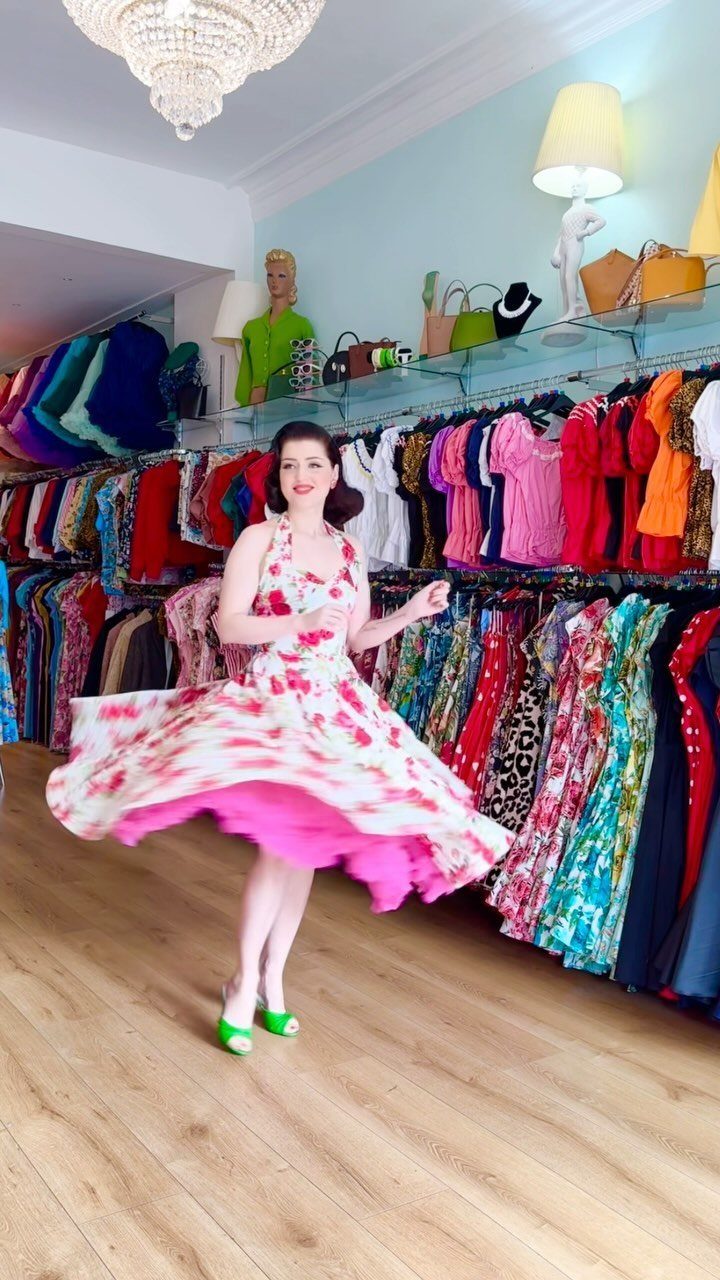
Twirl test first: a good swing dress should flare out when you spin, and a pink and white floral does it with plenty of charm. The fitted waist and full skirt flatter most body shapes by defining the narrowest point.
Green heels are a lovely idea because they pick up the leaves in a floral print. If that feels loud, a neutral shoe works, but a single contrasting color is the detail that makes the outfit feel deliberate.
7. Puff Sleeve Bow Dress
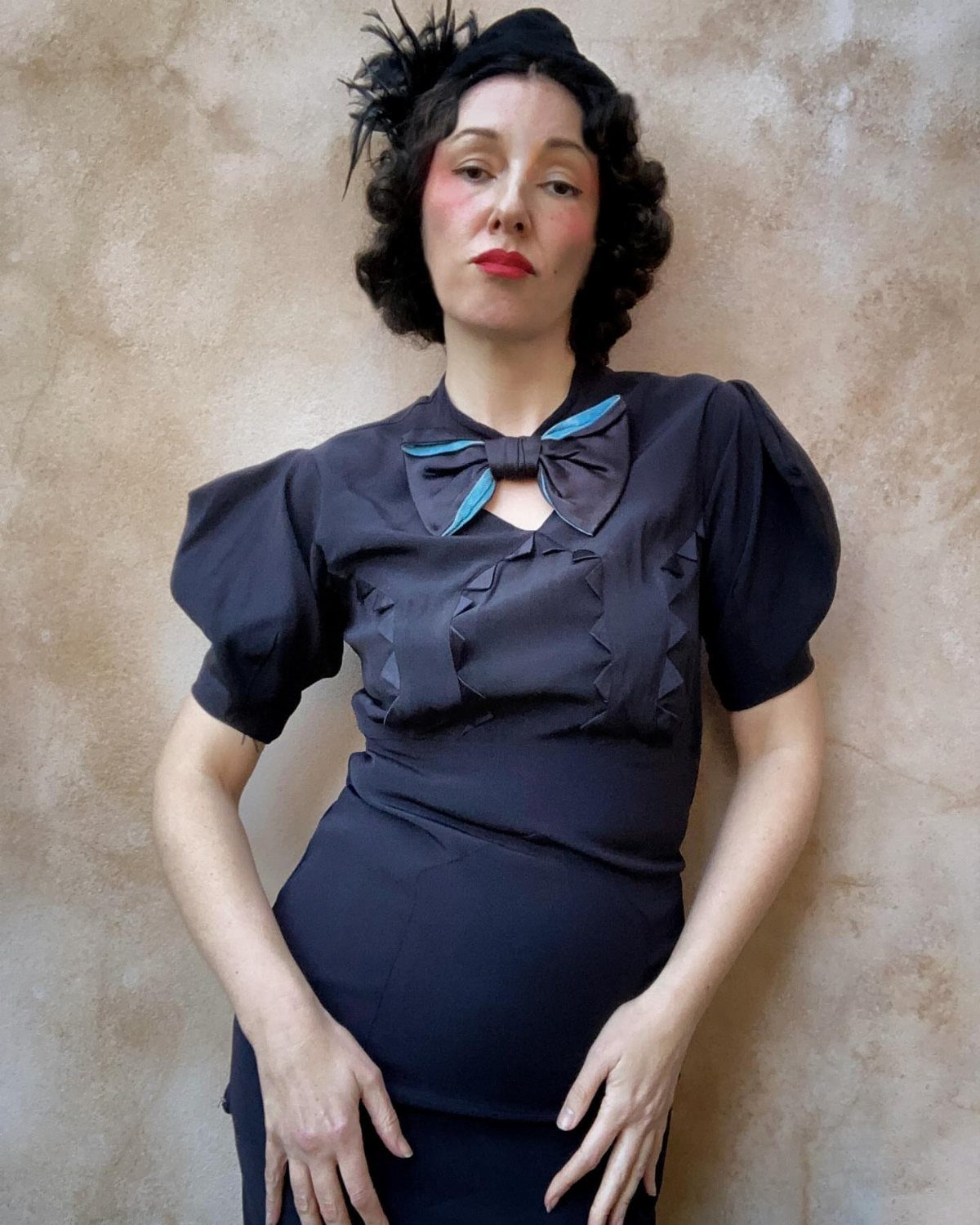
Black is the right base for a puff sleeve, because the volume reads as shape rather than frill, and a blue bow at the collar gives the dress one clear point of color.
The sleeve does the work at the shoulder, so keep the rest of the dress simple.
Skip a necklace; the bow already fills that space.
I like hair pulled back so the collar and sleeves stay visible. Puffed sleeves can make a jacket hard to wear over them, and that is the cost, so plan on a light wrap at most.
Shipping and Returns
Fast shipping is offered, and items can be returned within 30 days if they don’t meet expectations. That window is enough to judge a dress properly, but only if you use it.
Try the dress on the day it arrives, with the shoes and underlayers you plan to wear.
Sit, reach overhead and walk a flight of stairs, because a fit that looks fine standing still can pull at the shoulders or bind at the waist once you move.
Keep the tags attached and the packaging intact until you decide.
Count 30 days from the delivery date, not from the day you feel like trying it on, and put the deadline in your calendar if the dress is for an event.
Size Charts and Measuring Tips
Detailed size charts and tips for measuring yourself are provided, and a good fit starts with using them before you pick a size.
Measure bust, waist and hips with a soft tape, wearing the thin layer you would wear under the dress. Keep the tape level and snug, not tight, and write the numbers down instead of trusting memory.
Then compare each number to the chart on its own.
If you fall between 2 sizes, I’d go by the measurement the dress fits closest, which is usually the waist on a fitted style, since a hem or strap is easier to alter than a bodice.
Measure again if it has been a while. Bodies shift, and an old number can steer you wrong.
Frequently Asked Questions
How do you dress like an old fashioned?
A midi hem, a fitted bodice and a skirt with some swing give you the old-fashioned shape, because the cut itself marks the waist and a belt becomes optional.
A small floral print in a pale base reads soft and feminine, and you can switch from flats by day to heels at night. Keep accessories simple, because the dress itself carries the old-fashioned look.
What are old style dresses called?
They are most often called vintage dresses. Retro is also used for newer dresses made in older shapes, such as swing dresses with a fitted waist and full skirt, or 1960s mod minis with a short shift cut.
Is there a website that sells vintage dresses?
Yes, Topvintage and Unique Vintage are 2 sites that sell them. Before ordering from any shop, check the return window (30 days is a good one) and measure your bust, waist and hips against the size chart.