The list covers a wide range of upkeep, from a Milk Chocolate Glaze that fades out gently over about 10 washes to Pastel Blue and Icy Blonde, which both need frequent touch-ups before they stop looking clean.
Undertone should steer your pick: Icy Blonde and Champagne Blonde flatter cool skin, while Bright Copper, Golden Brown and Warm Cinnamon bring out the glow in warm skin.
1. Pastel Blue
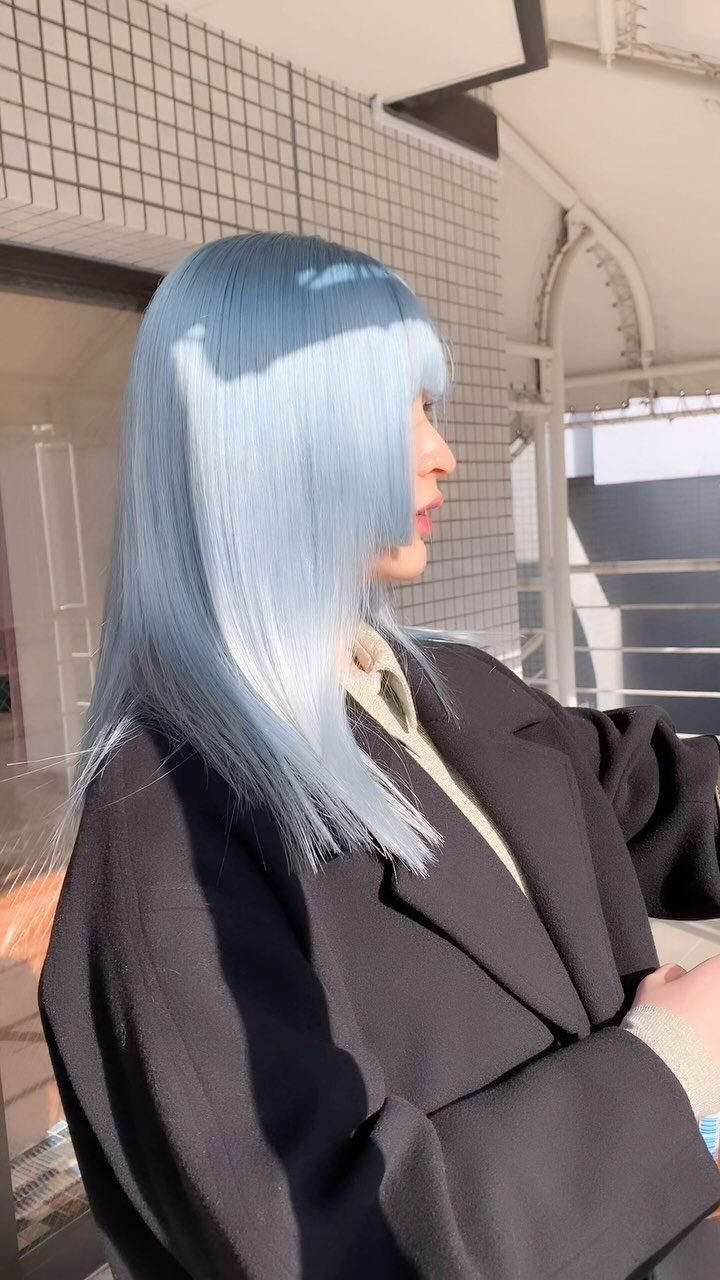
Pastel blue reads best against dark, structured pieces. A black blazer is the obvious partner, because the soft shade gets all the attention while the outfit stays sharp.
Straight hair with bangs keeps the color looking clean and deliberate. Expect a light shade like this to be a commitment in upkeep, so I’d plan for regular touch-ups rather than a one-time change.
2. Bright Copper
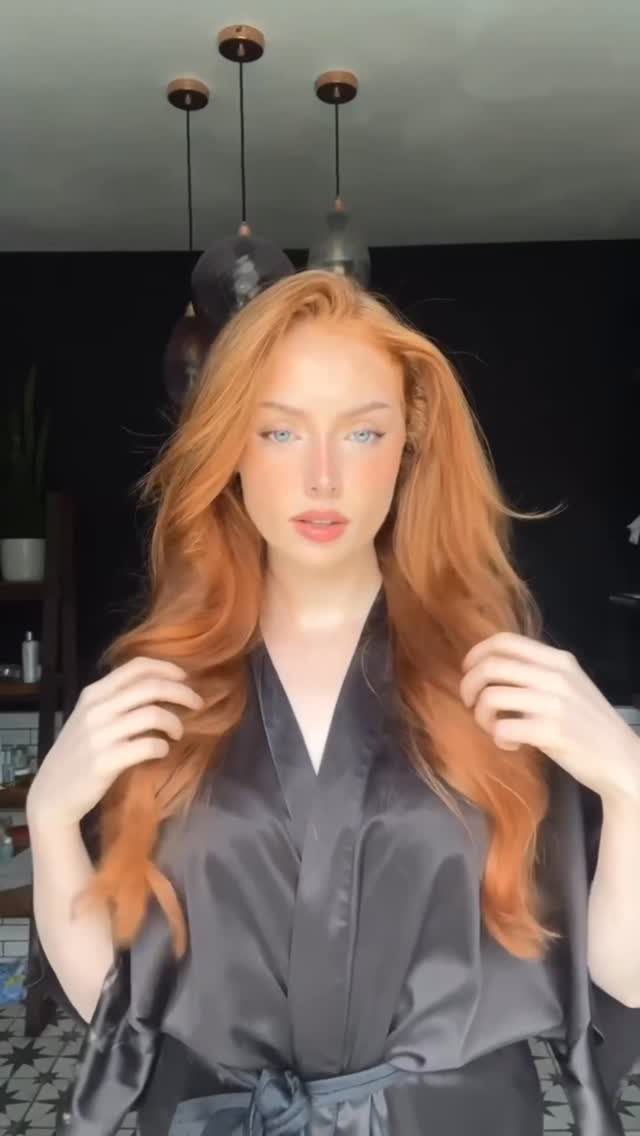
Bright copper is the warm red-orange for anyone who wants color that looks lit from within. Long waves give it room to catch light and show depth.
It pairs well with black, cream and deep green in your closet, and it flatters more than you’d expect.
Ask your colorist for a true copper rather than a brown with red in it, and bring a photo so you both mean the same shade.
3. Rose Gold
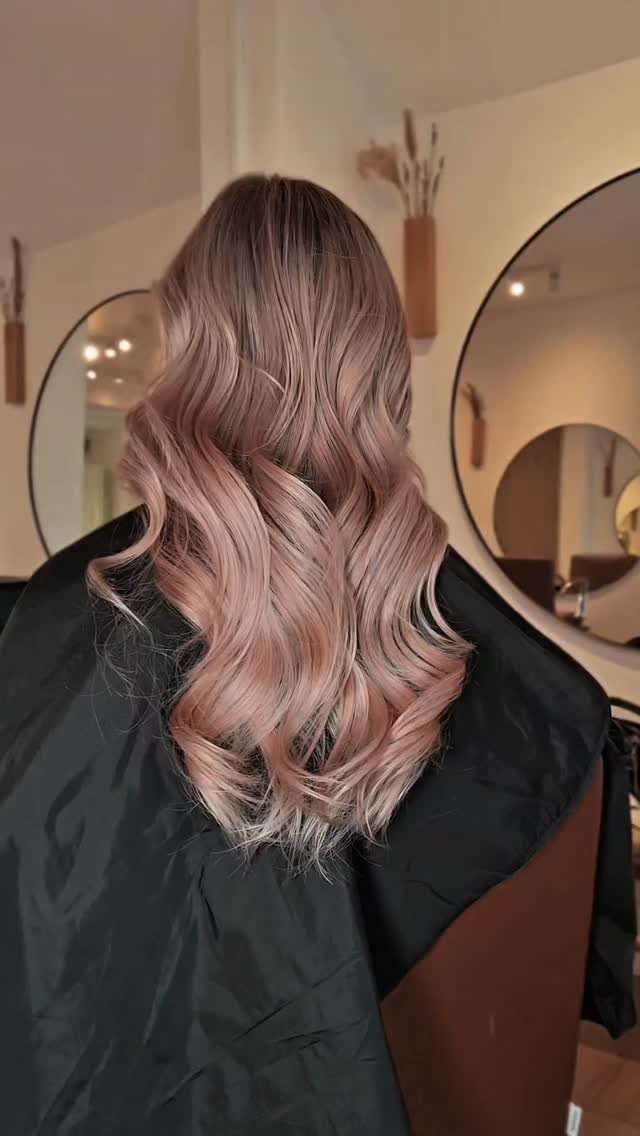
Pink and gold sit together in rose gold, so it lands somewhere between blonde and blush. That blend is why it looks soft instead of loud.
Loose waves show off both tones better than flat, straight hair does.
I’d choose it if you like pastel color but want something warmer than blue or lilac. Tell your stylist which tone you want leading, pink or gold.
4. Strawberry Blonde
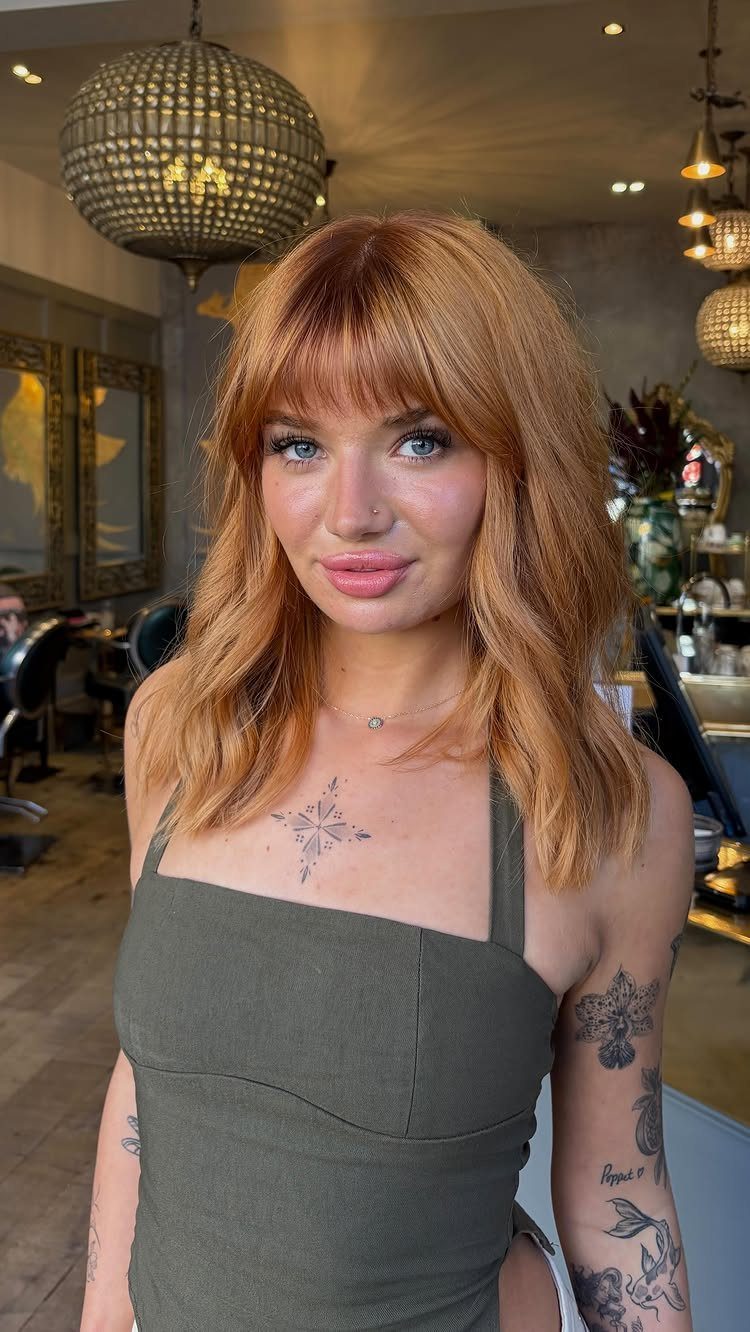
Strawberry blonde splits the difference between blonde and red, which makes it one of the easier ways to try red tones without going full copper.
Wavy texture and bangs suit it well, and olive, cream and denim all sit comfortably beside it.
Since the shade depends on the balance, ask for the blonde to lead if you want something subtle. Show your colorist a reference photo.
5. Icy Blonde
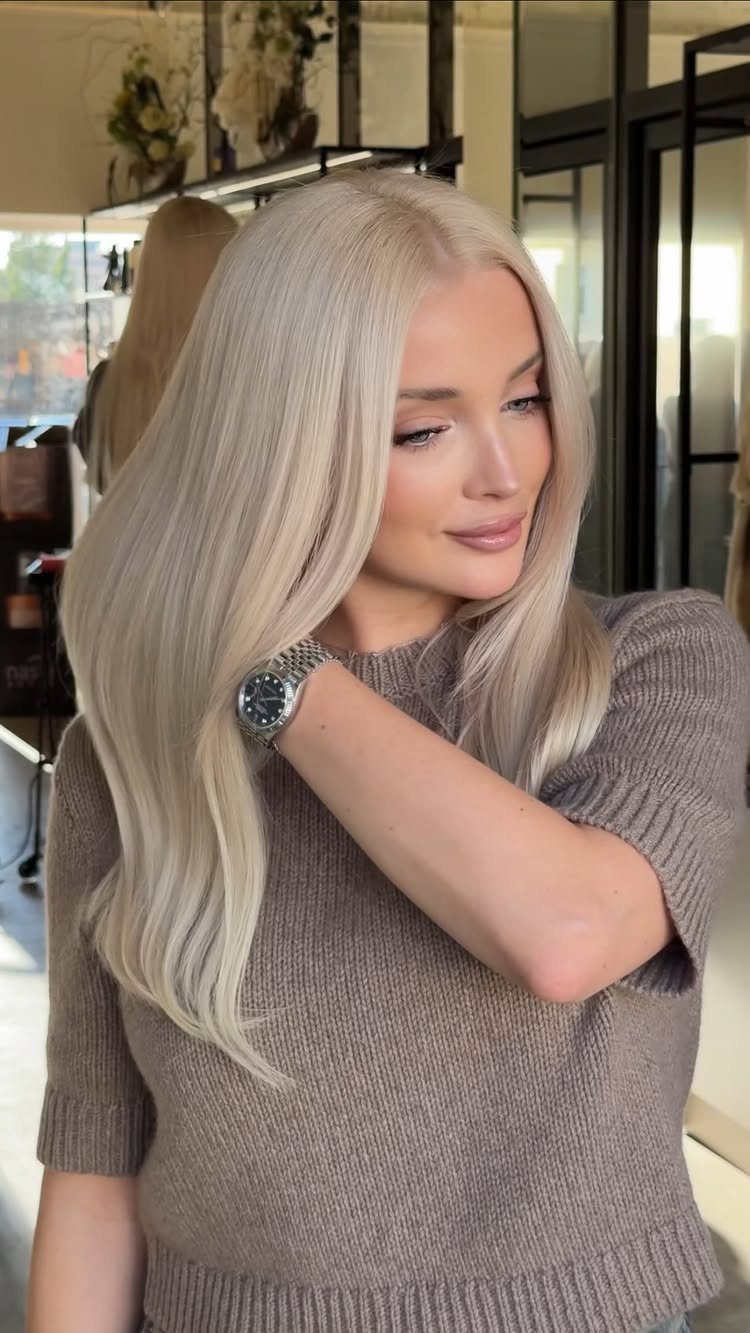
Icy blonde is the cool, bright end of blonde, with no warmth showing at all. That crispness is the whole appeal.
It looks striking with neutrals like brown knits and silver jewelry, since the metal echoes the cool tone.
Choose it only if you’re willing to keep up with it, because a cool shade this light shows brassiness quickly. A purple shampoo is the usual fix.
6. Bronde
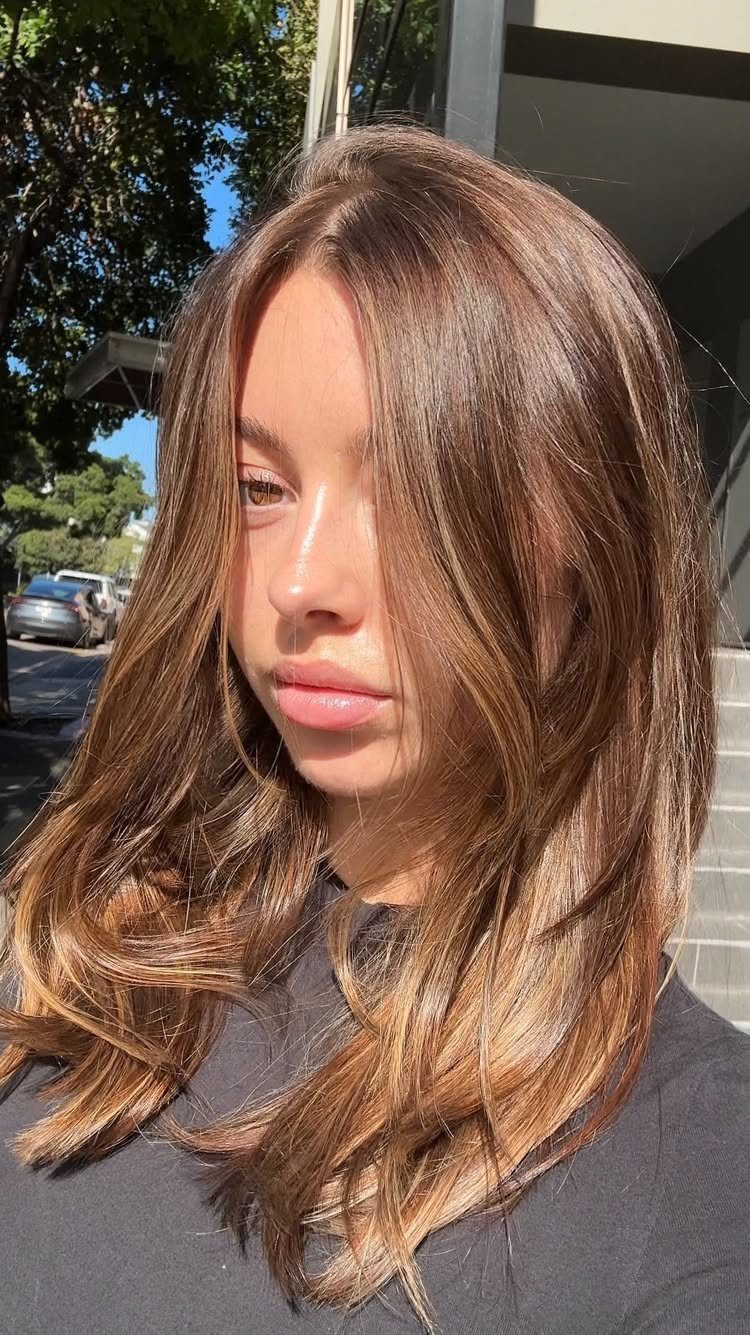
Brown and blonde melt into each other in bronde, so the color never gets stuck on one side. Sunlight shows it off, with the blonde catching light and the brown adding depth.
For a reader who wants color but dreads harsh regrowth lines, I’d pick this over solid blonde.
Long waves let the blend show. Ask your colorist for a soft, blended transition rather than stark stripes.
7. Golden Ombre
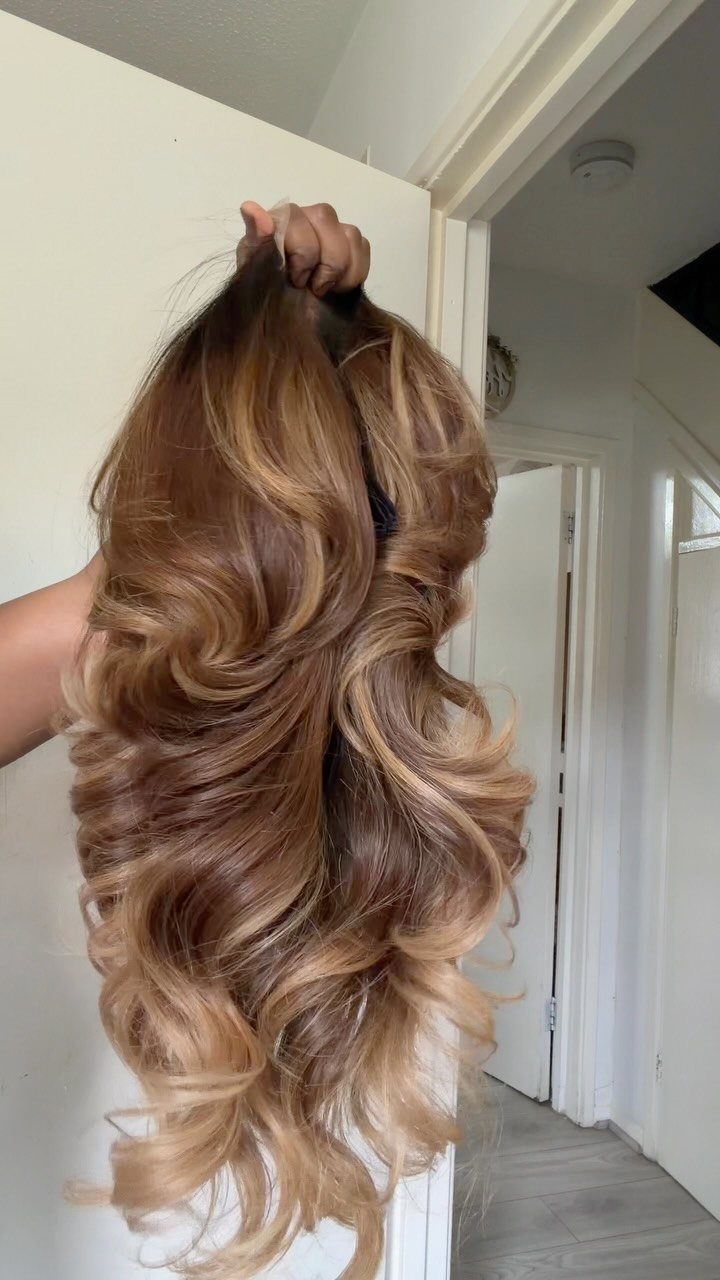
Golden ombre keeps your natural dark roots and lets the length melt slowly into golden blonde, so there is no line to chase as it grows out. Curls and loose waves show the gradient best.
I’d pick it over all-over blonde if you want brightness without a salon visit every few weeks. Ask your colorist for a gradual, blended fade and bring a reference photo so you both mean the same shade of gold.
8. Golden Brown
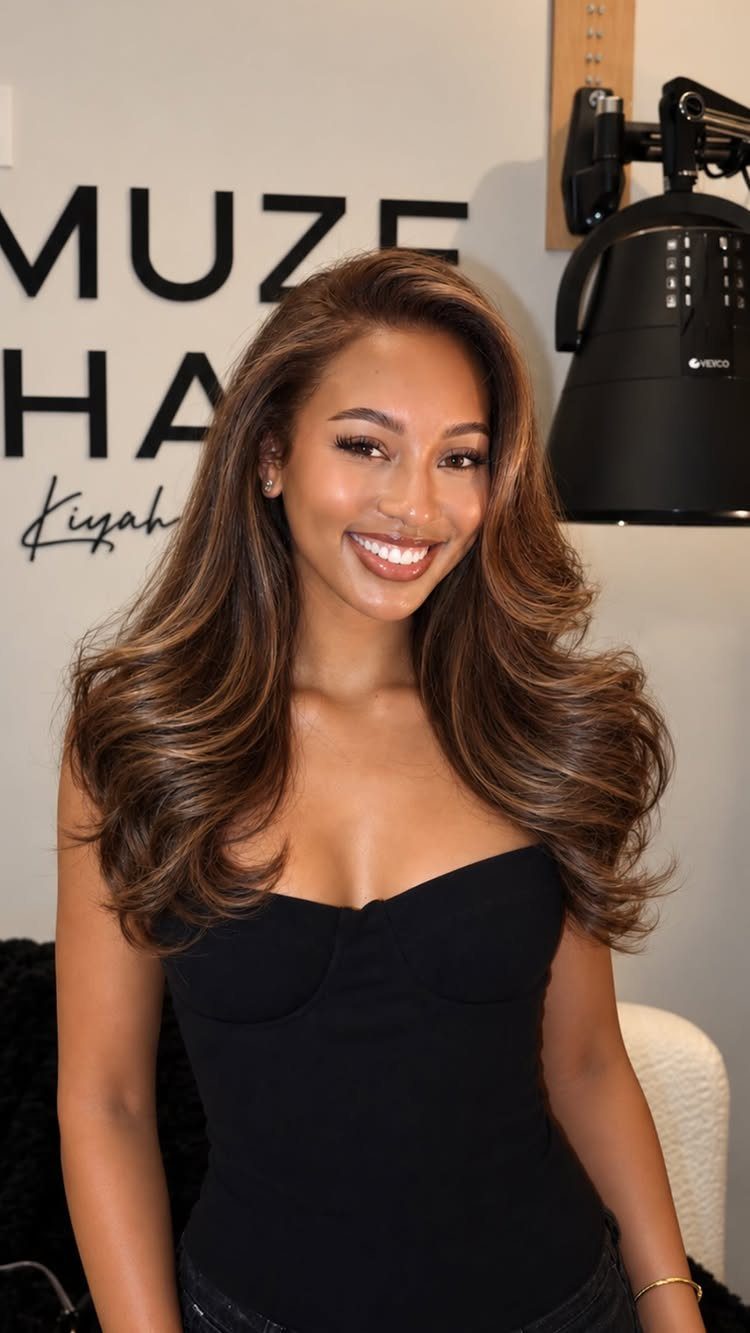
Golden brown is a warm, rich brown with light running through it, and it suits almost any wardrobe. Cream, olive and black all sit well beside it.
On long, loose waves, the warm tones catch the light at every bend and look richer than they do on a blunt cut.
Because the shade lives or dies on its undertone, tell your colorist you want golden rather than ashy brown. It’s the version I’d choose for color that looks natural but not flat.
9. Cherry Cola Red
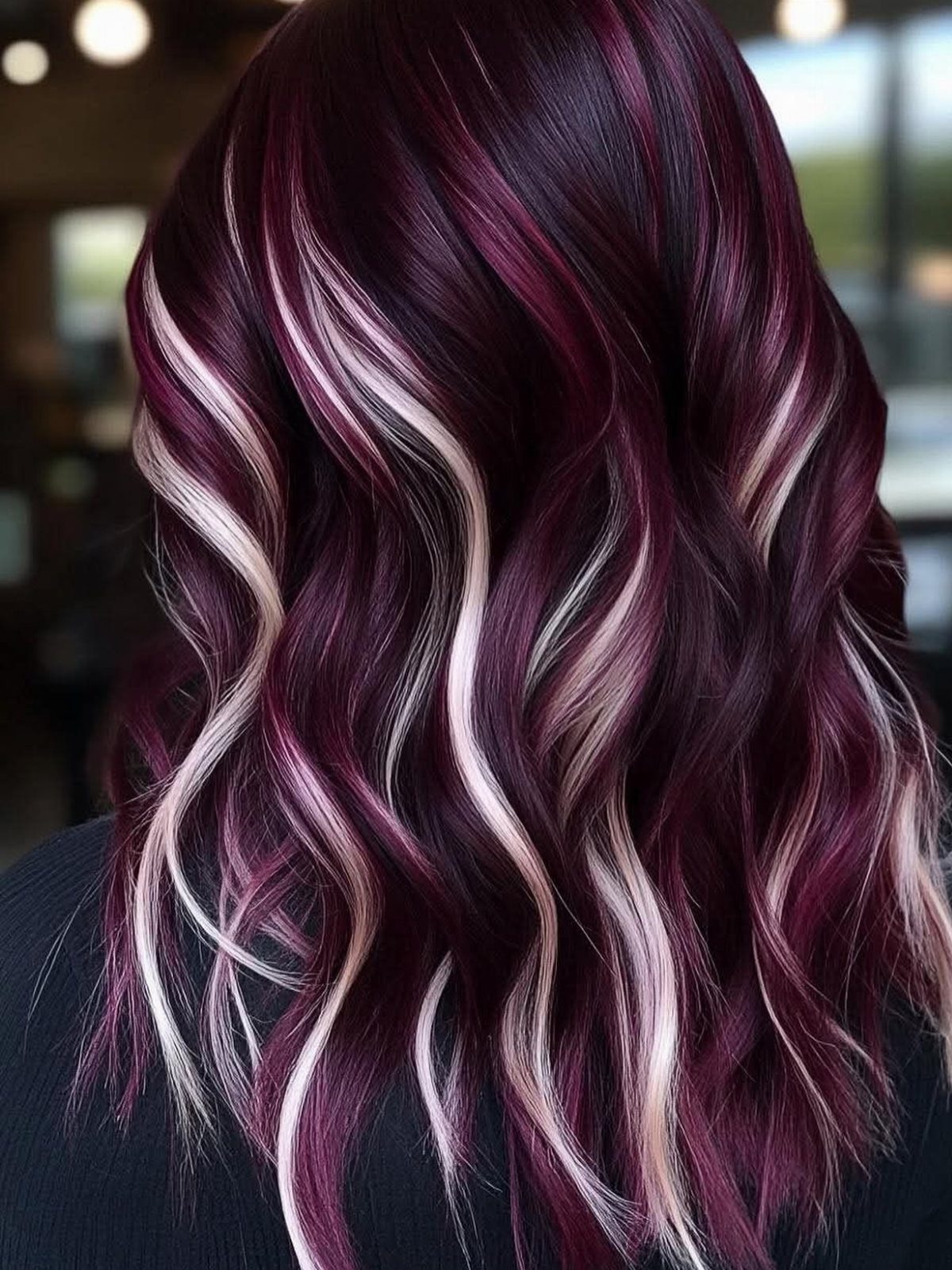
Cherry cola red leans deep burgundy, with purple and blue undertones that keep it from reading as plain red. It looks richest in dim light and still shows a glint in sun.
Bright pink or silver pieces, added as highlights, make the dark base pop if you want more contrast. Ask for the red to lean cool, and bring a photo, since "burgundy" means different things to different people.
10. Caramel Highlights
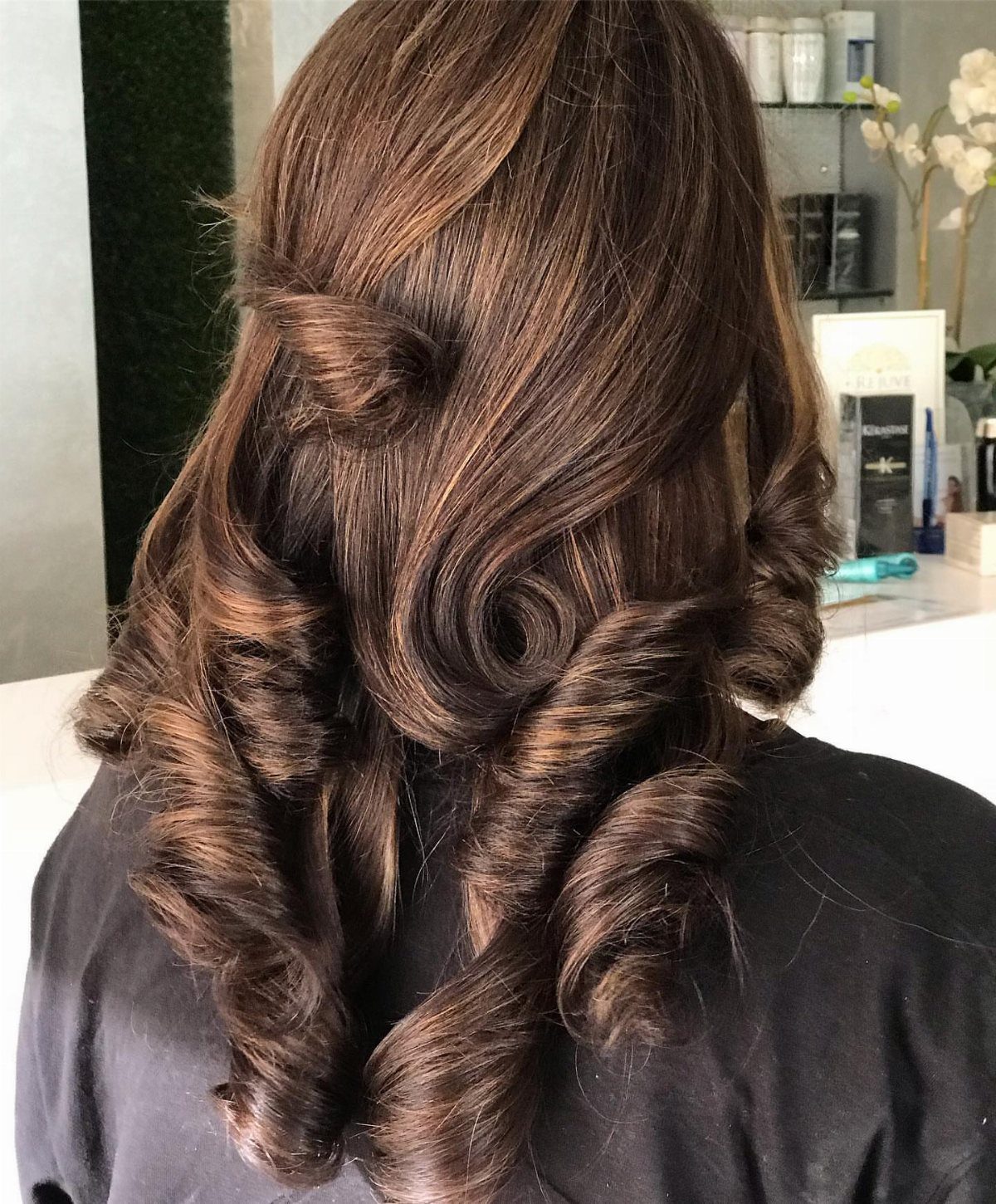
Caramel highlights add warm, soft threads of light to brown hair, the closest thing to a sun-kissed look without going blonde. Curls and ringlets catch them well, since every bend shows a different tone.
I’d choose this if you want low drama. Ask for subtle, blended pieces rather than thick stripes, and keep your base brown so the contrast stays gentle.
11. Peachy Pastel
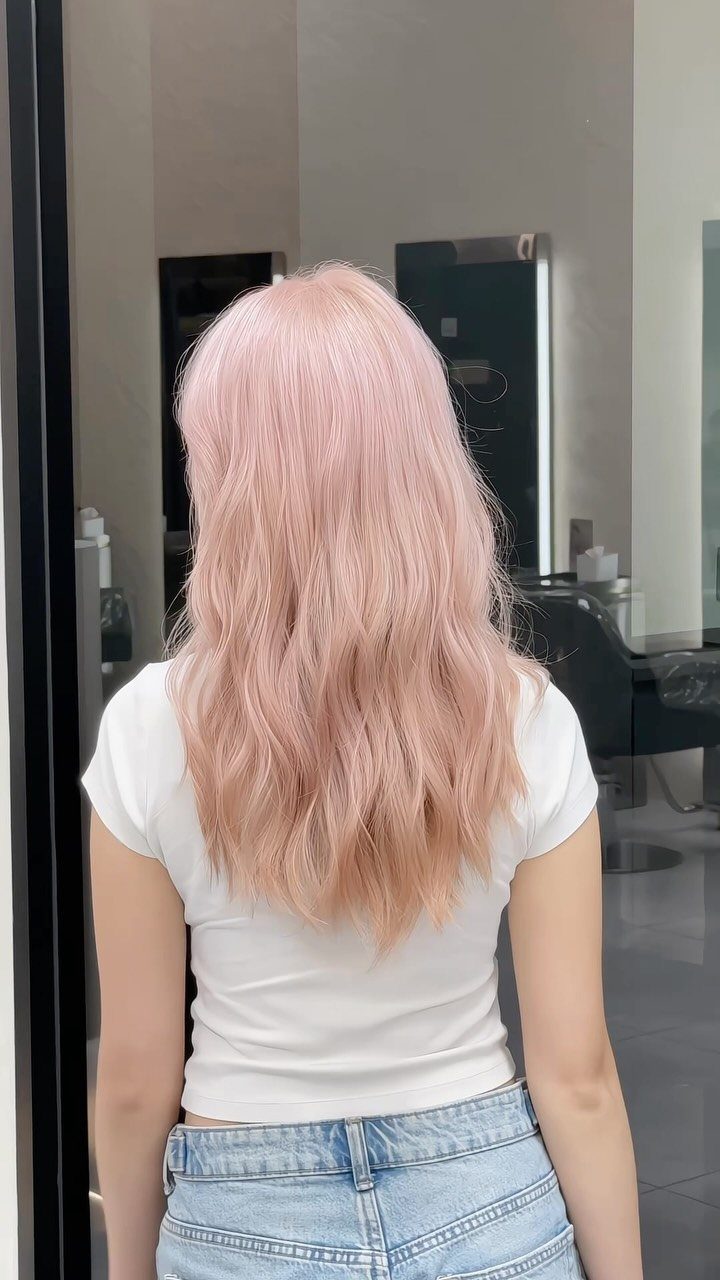
Peachy pastel sits between pink and apricot, a soft, playful shade that looks lovely with simple outfits. White tees and light denim let the color do the talking.
Long waves keep it airy.
Like any pastel, it asks for a light base and regular upkeep, so plan for touch-ups. If you want the look without committing, I’d start with a gentle peach rather than a bold coral.
12. Chunky Highlights
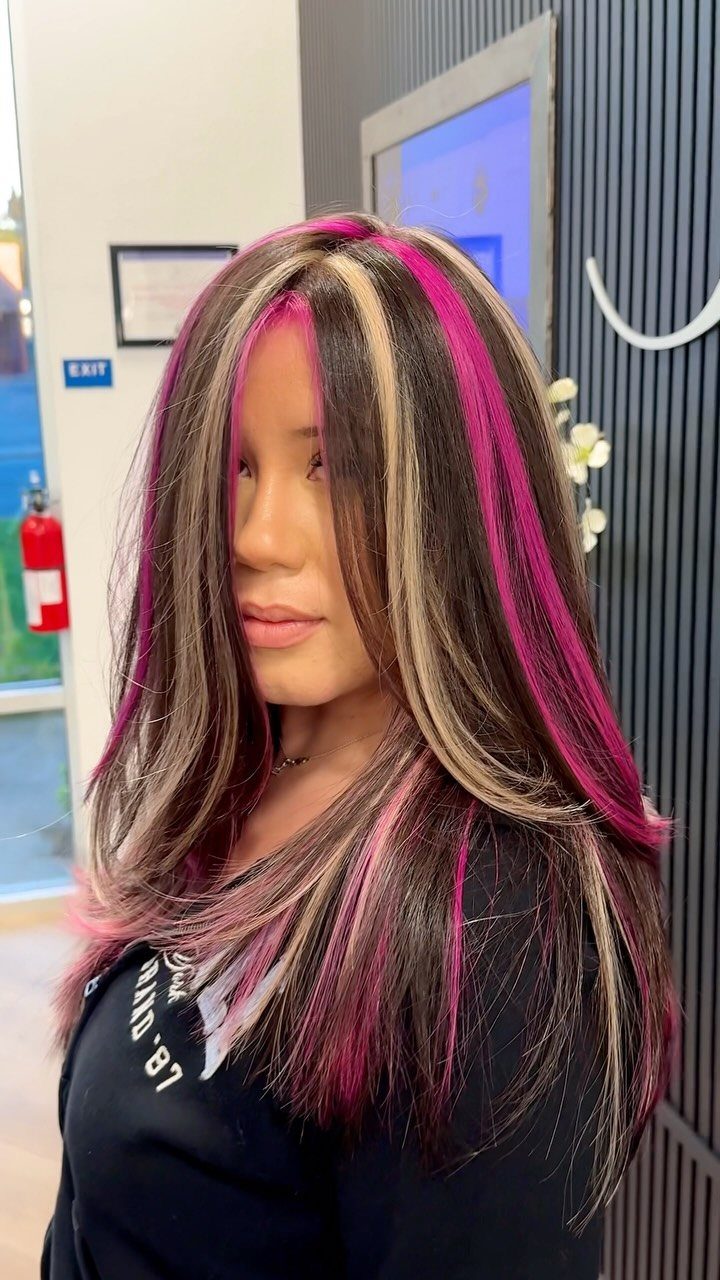
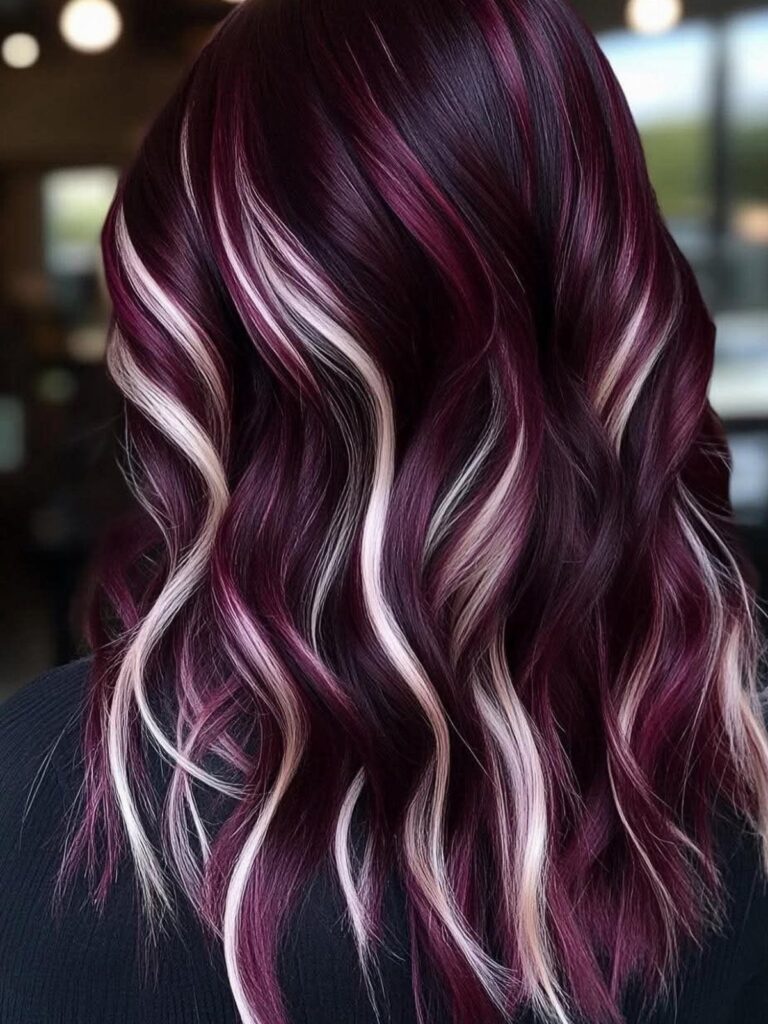
Chunky highlights are wide, bold ribbons of lighter color set against a darker base, and that sharp contrast is what makes them read from across a room. Blonde and magenta over brown make a loud, graphic statement.
Wear it with plain pieces, like a black tee, so the hair stays the focus.
Ask your colorist to place the chunks deliberately, framing the face, and expect more upkeep than a soft blend, since the stripes show as they grow.
13. Milk Chocolate Glaze
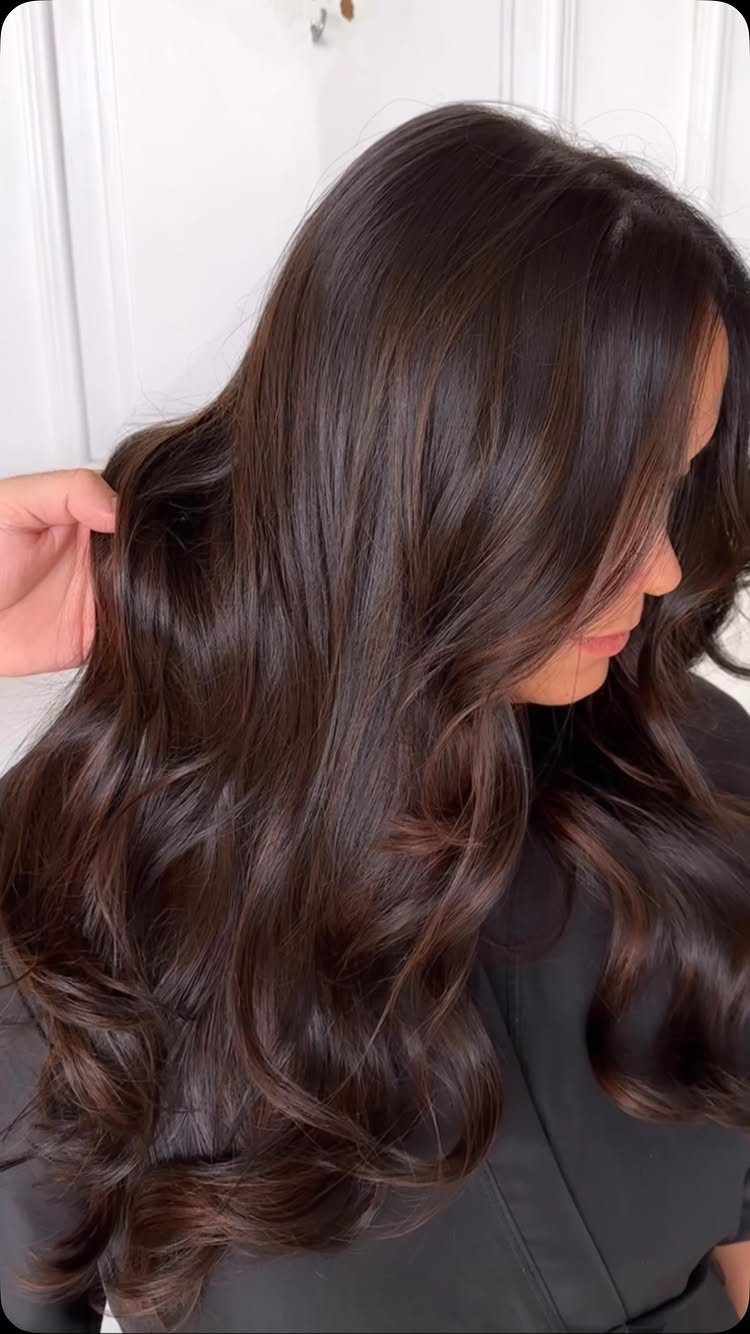
Waves that run past the collarbone and fall loosely let the light catch each shift between the darker and lighter chocolate tones, and that is where this shade looks richest.
The brown looks rich and layered, with lighter dimension running through it instead of one flat tone.
I’d choose it if you want brown that still looks finished.
A black top keeps the focus on the hair. Ask your colorist for a glossy, multidimensional brown and bring a photo, since "chocolate" can mean very different things.
14. Sandy Blonde
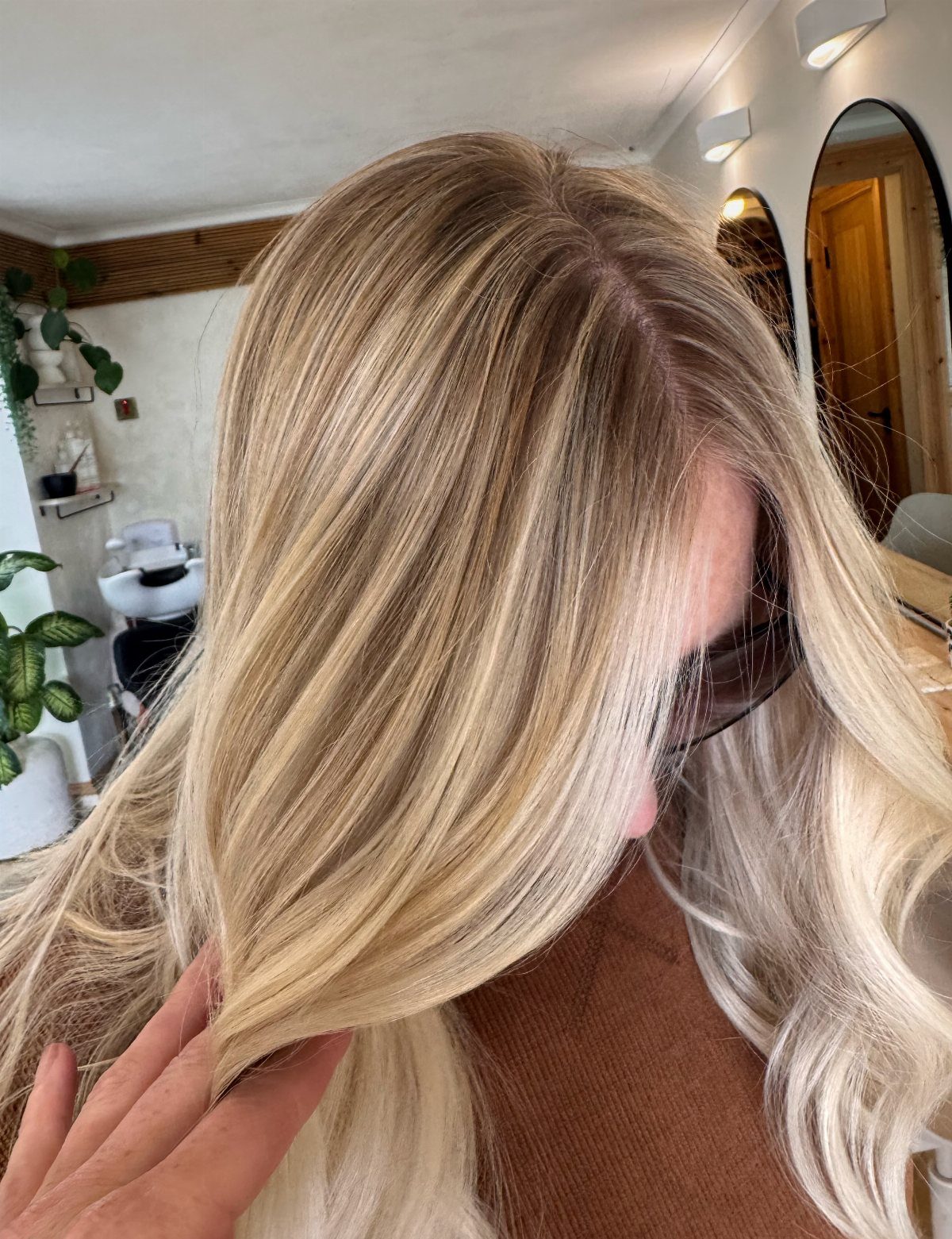
Soft and muted, sandy blonde sits well away from bright yellow.
Roots can stay a shade or two darker with this color, so the grow-out looks softer and you can wait longer between appointments than you would with a solid light blonde.
Waves suit it, and I’d pick it for a low-fuss blonde.
15. Warm Cinnamon
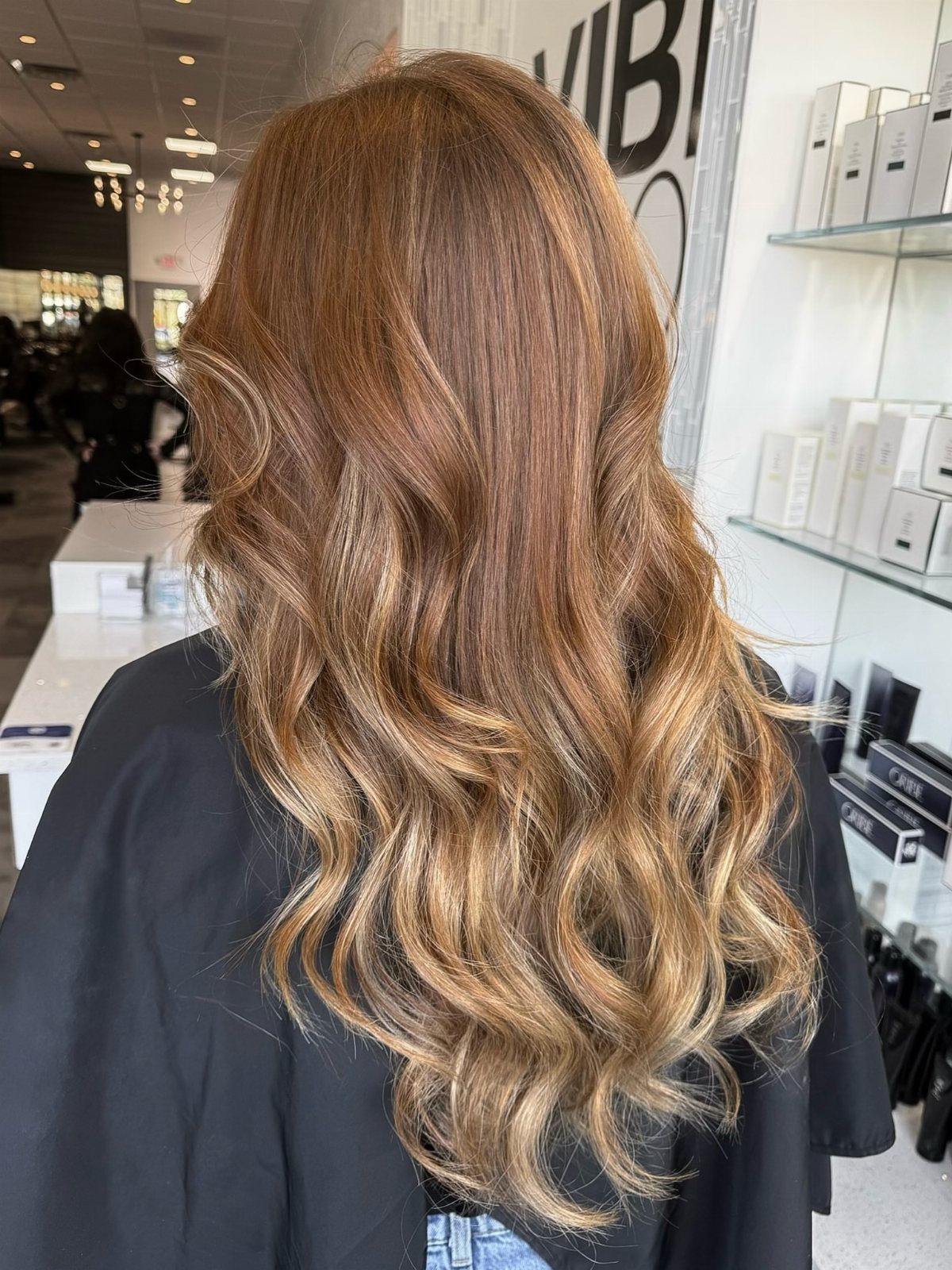
Warm cinnamon is a reddish brown that melts into golden blonde through the lengths, a balayage rather than an all-over color. Hand-painted blending keeps it soft, so regrowth never draws a hard line.
Long waves show the shift from red to gold.
I’d choose it over solid red if you want warmth without a high-maintenance shade. Ask for the red to lead and the gold to stay subtle.
16. Mauve Brown
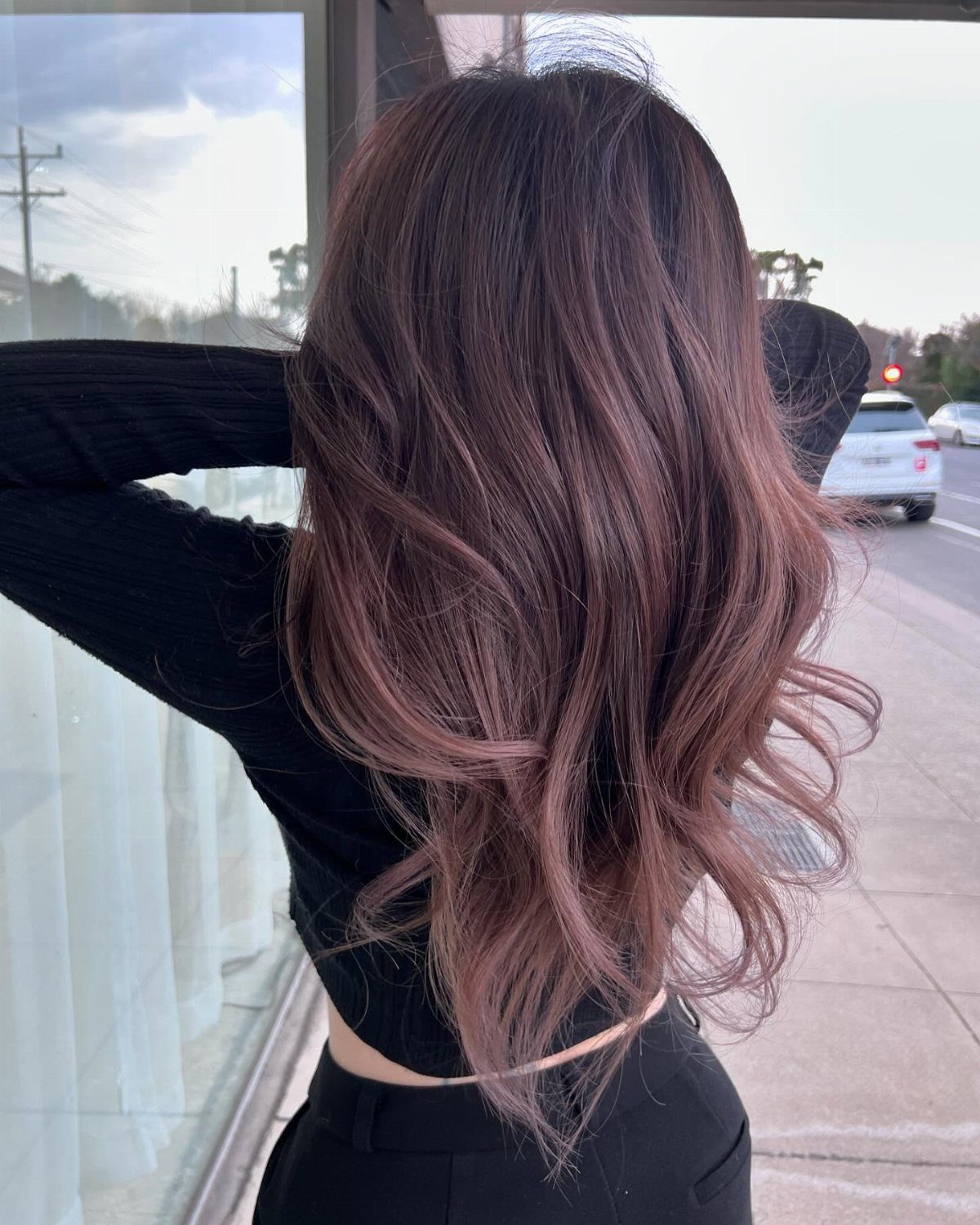
Mauve brown is brown with a muted violet cast, so it reads as brown first and purple only in the right light. That restraint is why I like it more than a bold grape or eggplant.
Long waves let the tone shift as you move. A black top or dress makes the mauve tint read as intentional and rich instead of faded.
17. Champagne Blonde
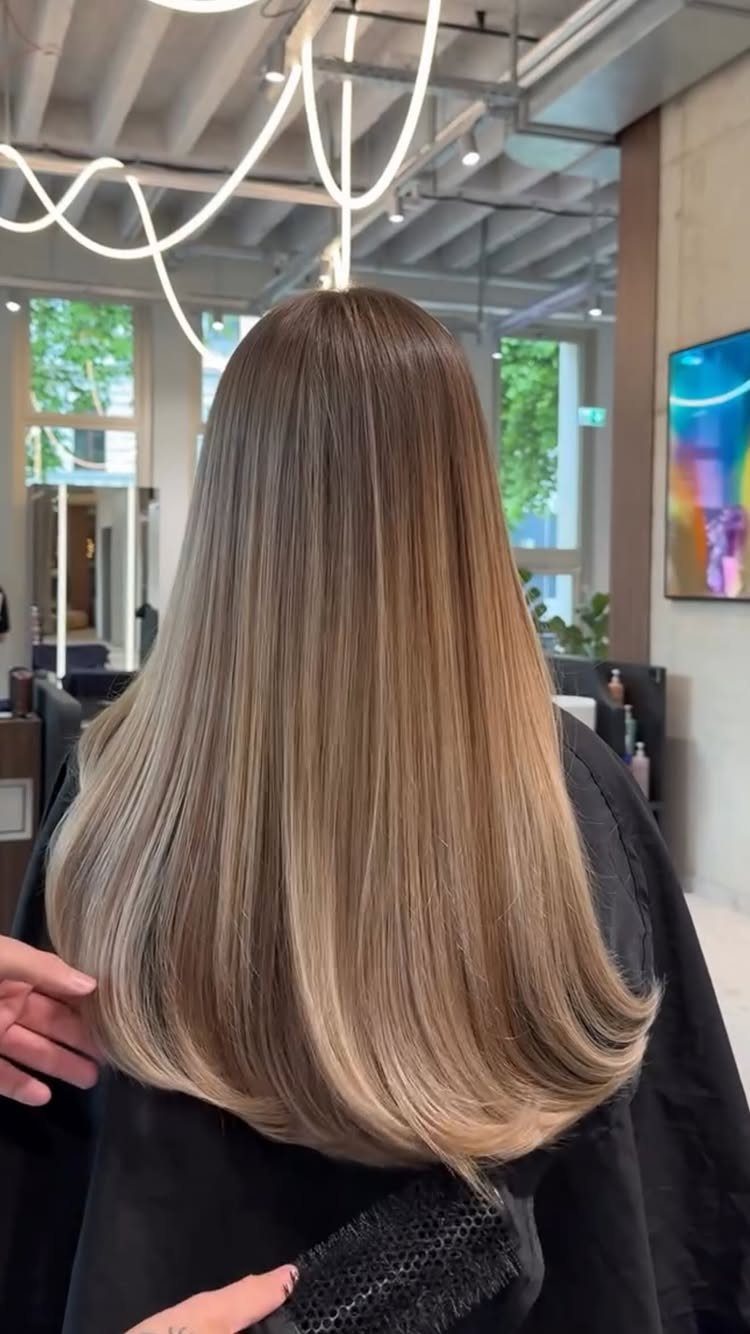
Cool beige undertones define champagne blonde: it is a soft, light blonde that lands creamier than icy platinum and looks far less stark against the skin. Dark roots can stay, which keeps the shade looking lived-in.
Straight hair shows the smooth color best. Like any light blonde, it needs regular toning to stay cool.
18. Milk Tea
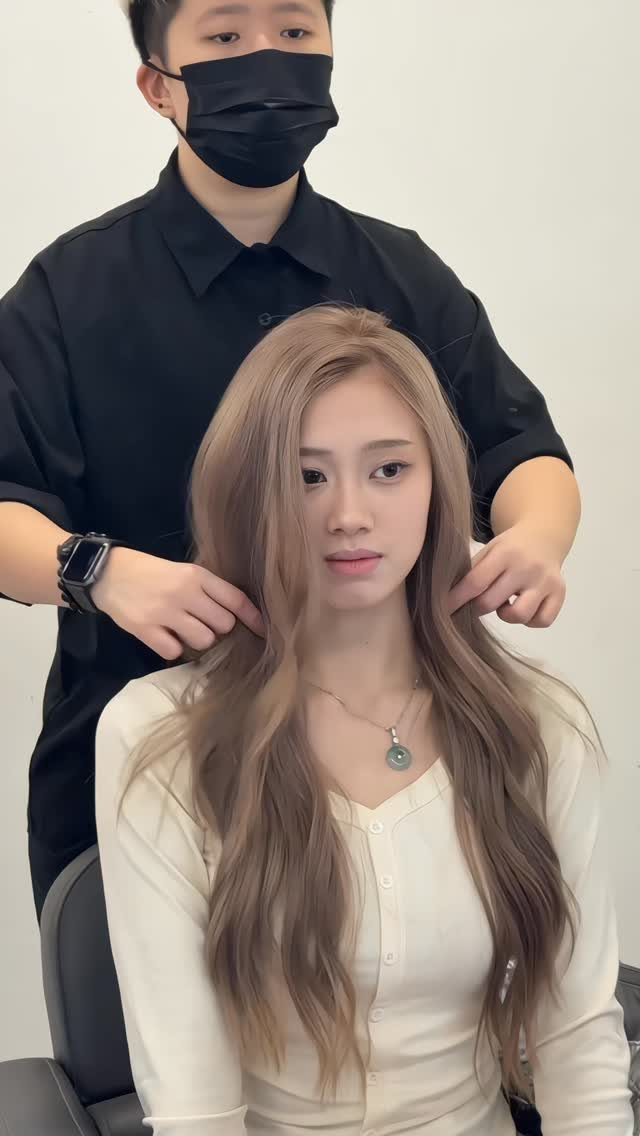
Milk tea is a light brown that mixes warm and ashy tones, so it never turns orange or gray. That balance is what makes it easy to wear.
Long, loose hair lets the blend show. I’d choose it if you want a soft shift from darker brown without going blonde.
19. Vanilla Almond Butter
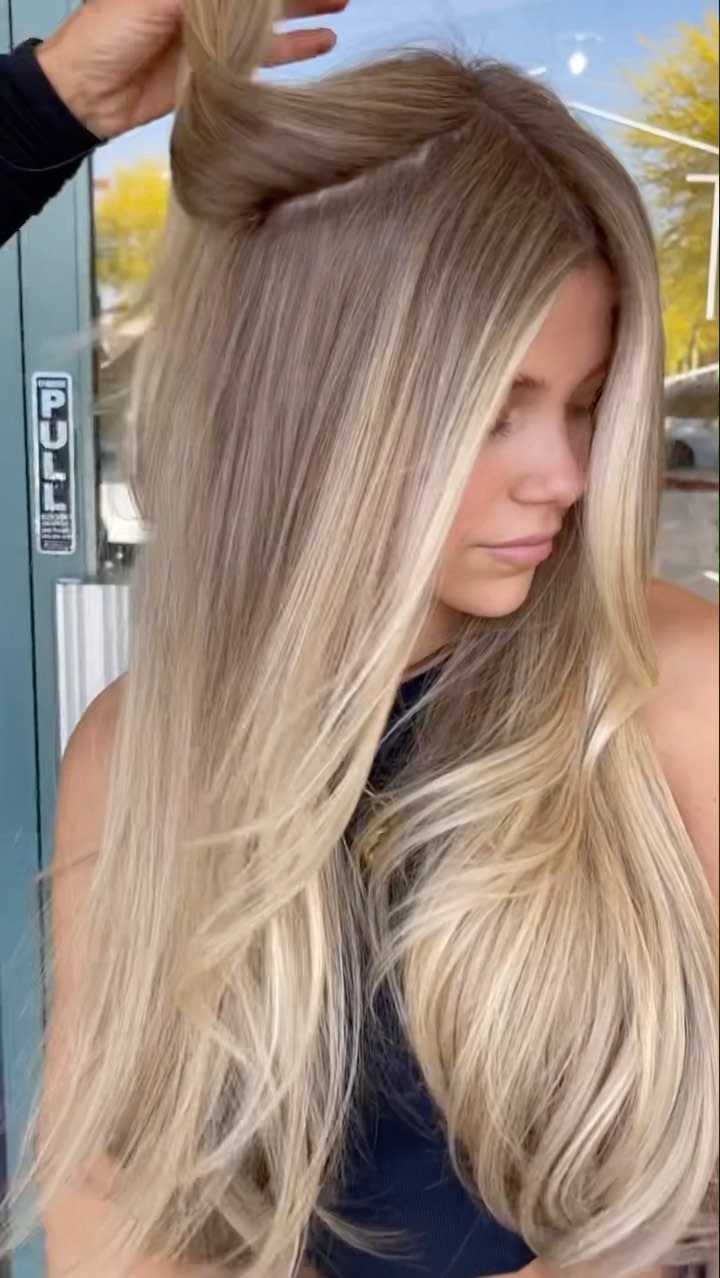
A creamy blonde woven through light brown gives vanilla almond butter its soft, lived-in look. Long waves let the highlights fall in and out of the brown instead of sitting in stripes.
I’d pick it for blonde that stays gentle against the skin.
Color names are slippery, so a saved photo of the exact blend does more than the words "vanilla" or "almond" ever will; ask for thin, melted highlights on a light brown base.
20. Cool Raven
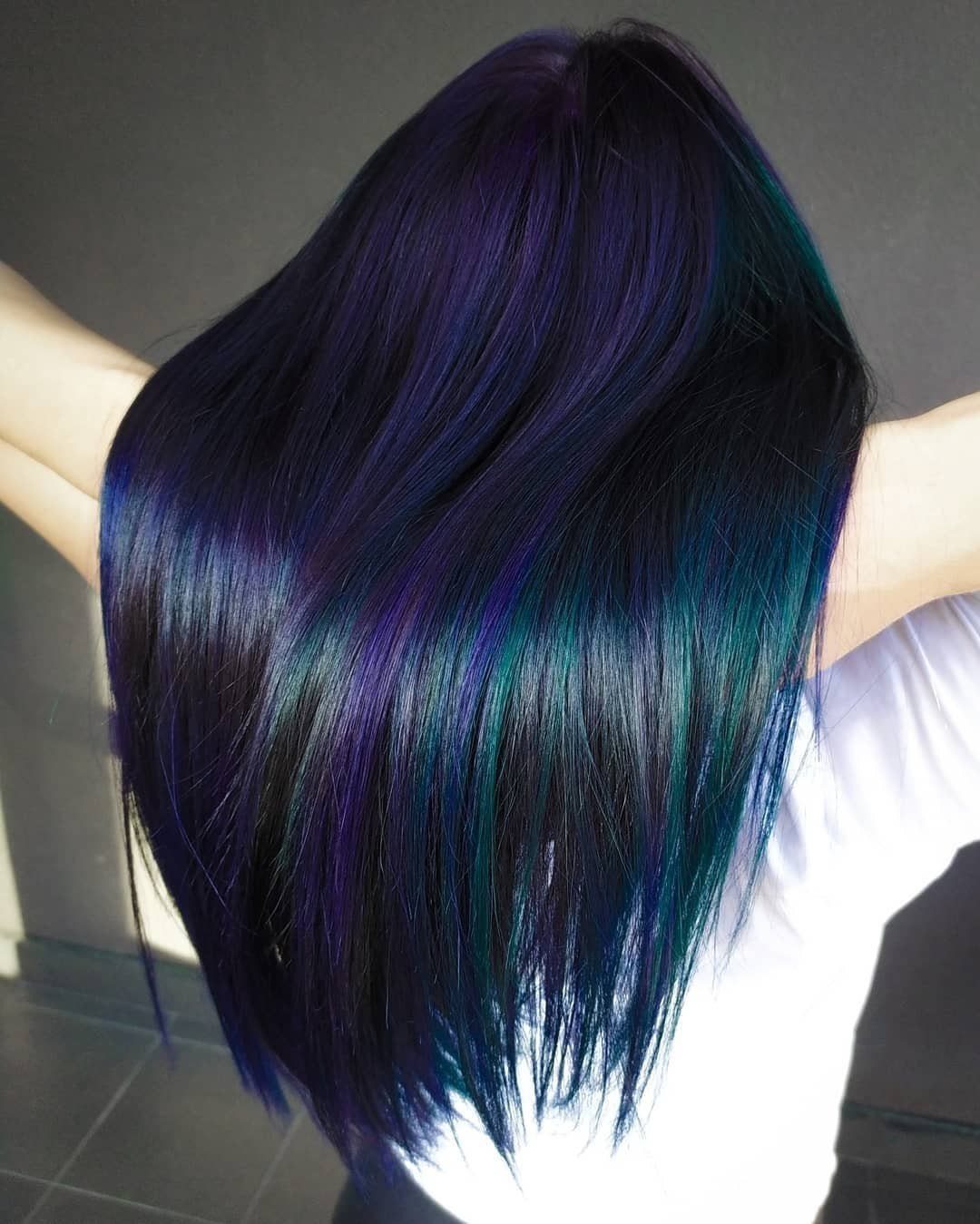
Cool raven is black-leaning hair with deep purple and blue shining through, so it looks dark in a room and iridescent in light. Straight, smooth hair gives that shine the most surface to work with.
A white shirt makes the cool tones stand out.
For Cool Raven, the shade lives in the undertone: request a black with a hint of blue, skip the flat jet, and bring a picture so the depth matches what you have in mind.
Maintaining Hair Color
Color-safe shampoo and conditioner are the cheapest insurance for a fresh dye job. Pick formulas made for color-treated hair and wash less often than you think you need to.
Heat fades color faster. Let your hair air-dry when you can, and save the blow-dryer and hot tools for days you really want them.
Before a blow dryer, flat iron, or curling wand touches your hair, mist it with a heat protectant; dyed strands lose moisture quickly in summer.
A deep conditioning treatment keeps color looking bright and the hair itself in good shape. For cool shades, a toning product helps hold off brassiness, so build that into your routine from the first week.
Choosing the Right Shade
Undertone is the quickest filter for any shade you’re considering. Skin and dye either flatter each other or fight, so the right shade can make your complexion glow while the wrong one flattens it.
If your undertone is cool, I’d go for ash tones, icy platinum, or a cool blonde, since they brighten the face. Steer away from very warm golds and bronzes, because against cool skin they tend to clash.
With a warm undertone, golden caramel and copper add glow, and rich browns with warm notes work well too. Ashy tones are the ones to avoid, since they can wash you out.
Chocolate cherry suits deeper hair colors well, and it also looks good on warm undertones.
Temporary Hair Colors
If permanent dye or bleach makes you nervous, a hair gloss is the gentlest way to change things up.
Think of it as a long-wearing conditioner that coats the strand; with no ammonia, it never opens the cuticle the way permanent dye does.
You get your natural color, only shinier, and the effect lasts about 10 washes.
A demi-permanent gloss can also give brunettes a richer, deeper version of their natural color. It fades out on its own, so you can try warmer brunette tones this summer without a harsh grow-out.
A baby balayage is another low-effort route: minimal pops of color on the mid-lengths and ends, with no string of salon trips.
As the season changes from summer to fall, it’s the perfect time to consider changing your hair color as well. For a shade that transitions from swimsuits to sweaters, you’ll want to try out some warm tones and deep colors.
Frequently Asked Questions
What are some popular hair colors for the summer?
Rose gold, bright copper and icy blonde are 3 strong picks.
Rose gold blends pink and gold into something between blonde and blush, copper is a warm red-orange that looks lit from within, and icy blonde is the cool, bright end of blonde.
Pick by undertone and by how much upkeep you will actually do.
Can you be a summer with dark hair?
A dark-haired woman can absolutely be a summer, as long as the shade of that dark reads cool rather than warm.
On a cool, bright complexion, a deep espresso or an ashy chocolate brown often sits better than black, since it softens the contrast around the face.