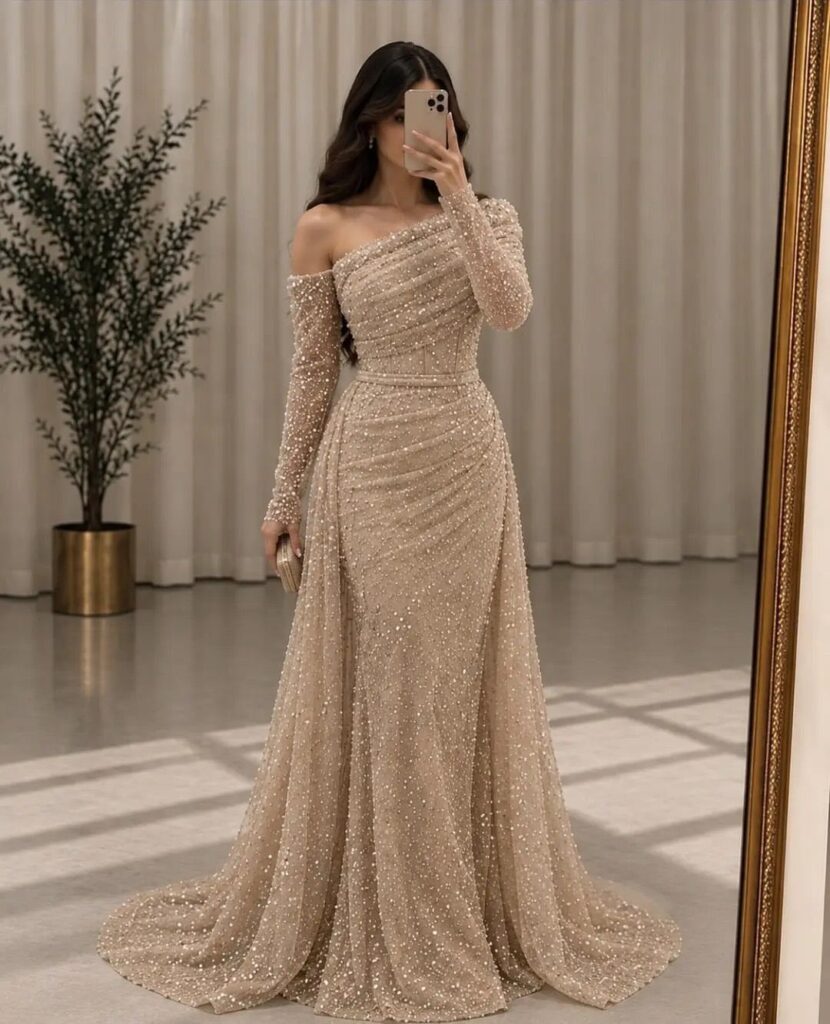
Venue and formality settle the outfit before taste does: a black-tie ballroom calls for a cocktail dress or a cape-overlay beaded gown, while a more relaxed room can handle sequins, a slip dress or a chic jumpsuit.
The ideas here run from sequin dresses with feathers at the hem to a bold color dress, an embellished salwar kameez and a floor-length embroidered Anarkali gown, so the range is wide in both fabric and length.
1. Sequin Dresses
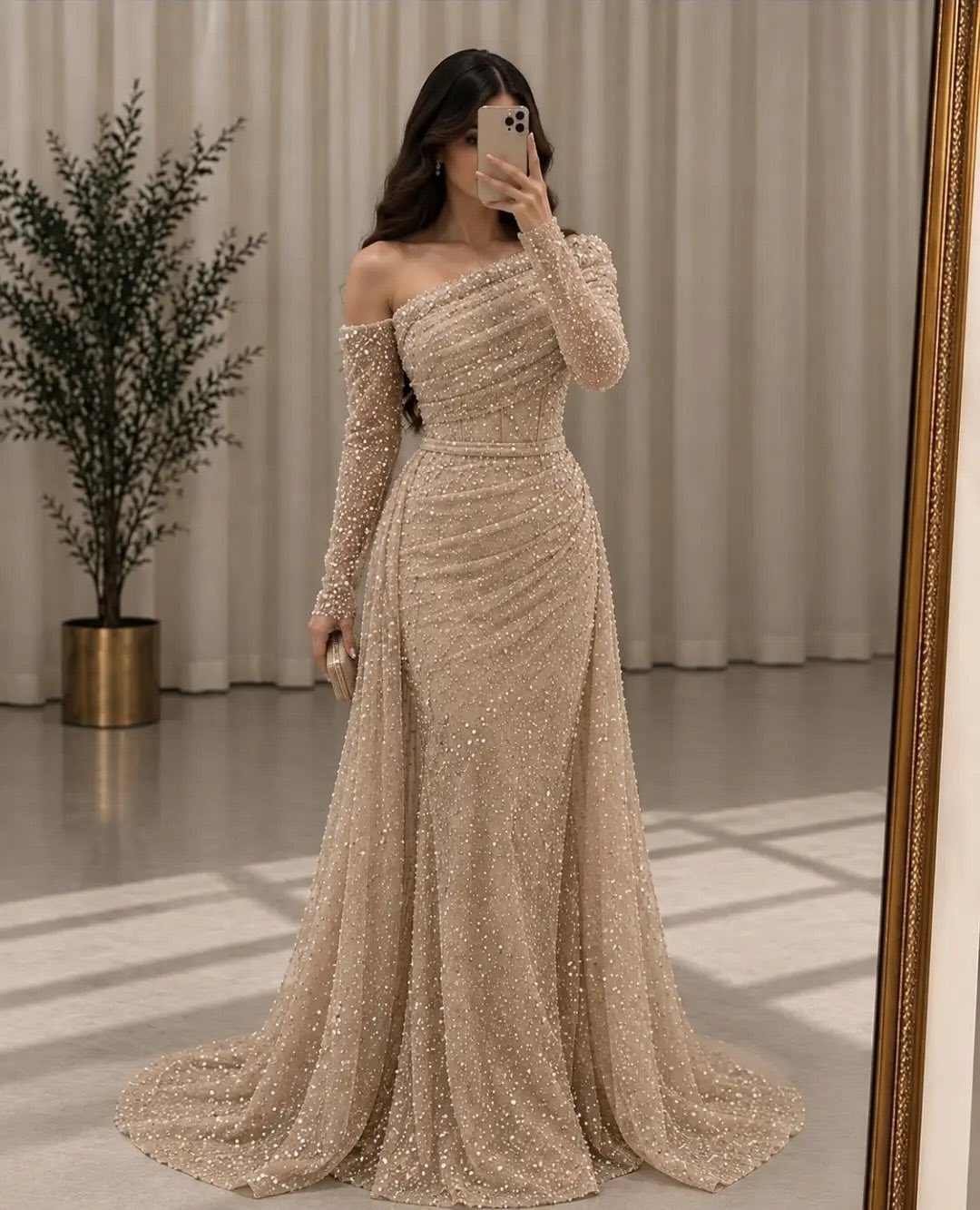
Sequins reward a plain setup. With a one-shoulder gown in champagne or gold, skip the necklace and let the neckline carry the look; a small clutch and simple heels are plenty.
Sequins catch the light on a dance floor, which is the reason to choose them for an after-party. Check the lining before buying, because scratchy backing gets old by the second hour of dancing.
Long sleeves cover the arms and keep the dress from looking too flashy for a ceremony crowd.
2. Slip Dresses
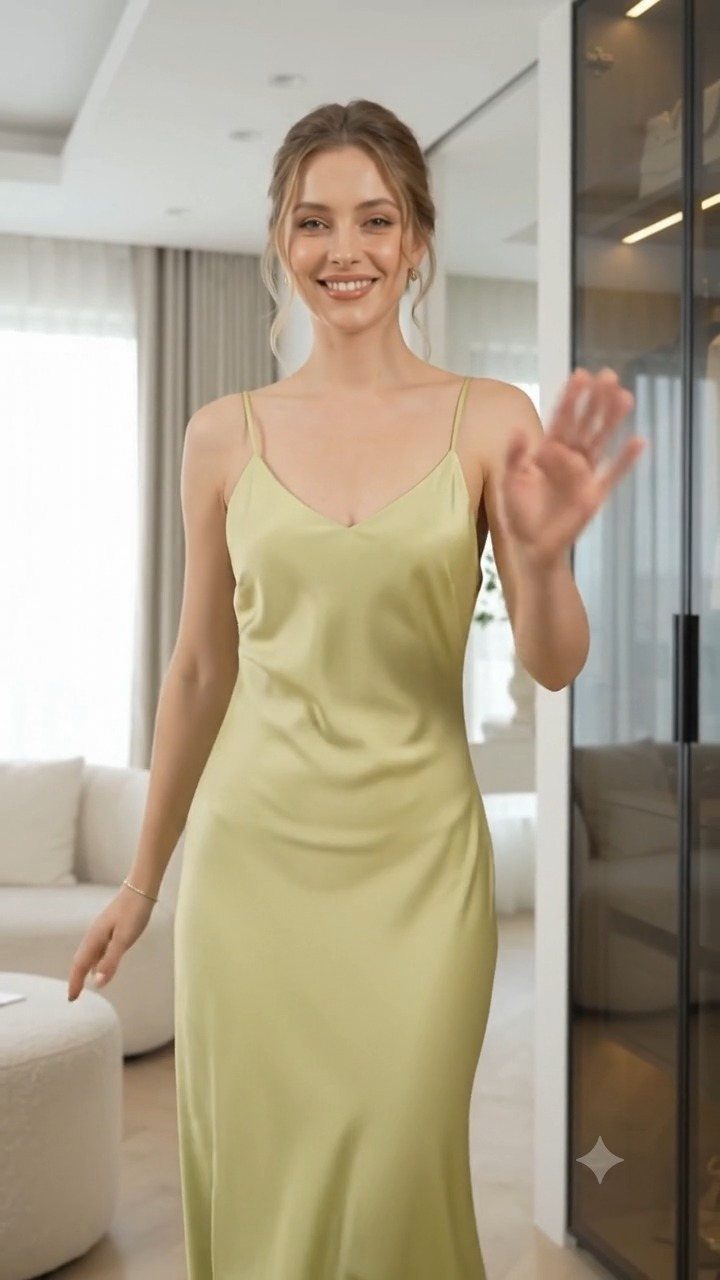
A slip dress lives or dies by its fabric weight. Satin that hangs smoothly over the hips looks effortless in a long lime green; thin, clingy fabric shows every seam line.
For body shape, a bias cut skims curves rather than gripping them, so choose a size that follows your widest point instead of pinching the waist.
Add a light wrap for the ceremony part of the night, then take it off for the party. Thin straps mean the dress needs nothing else, so keep jewelry small.
3. Chic Jumpsuits
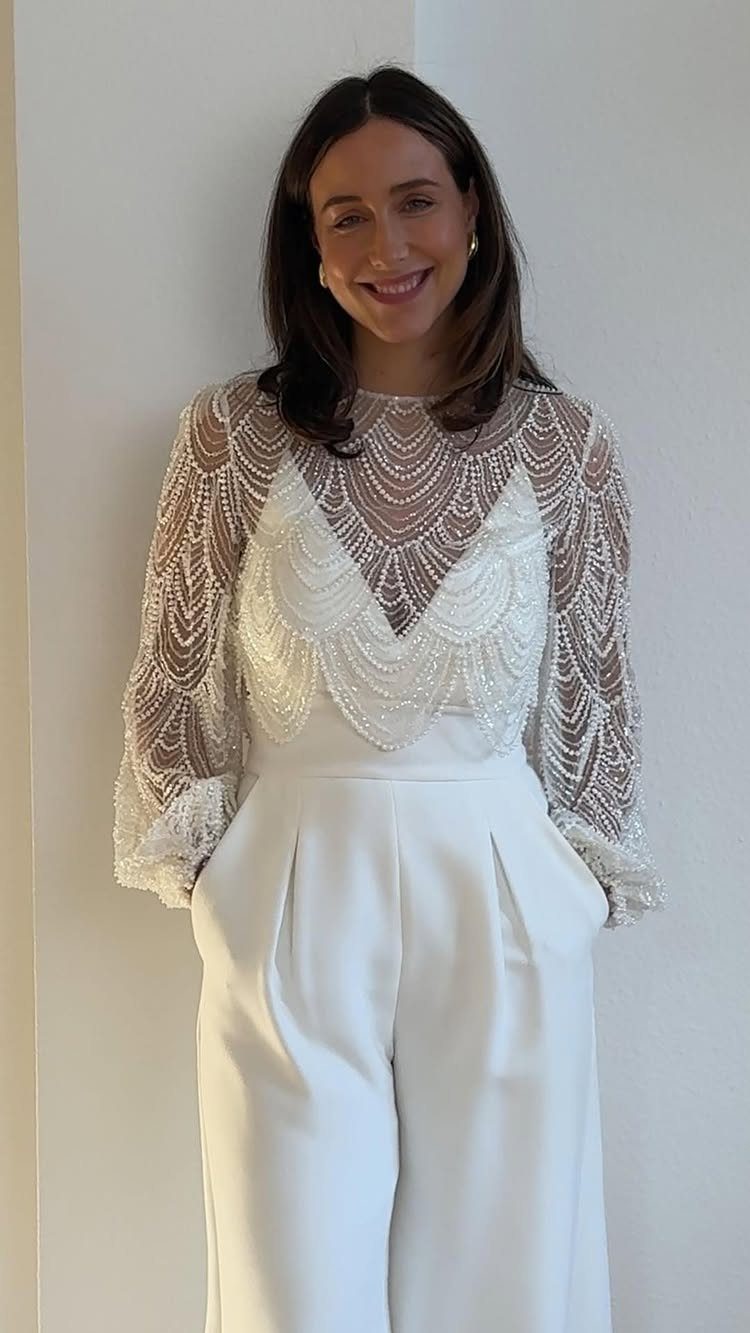
Wide-leg trousers move like a skirt, and that is why a jumpsuit works for dancing. A jumpsuit with a beaded, sheer long-sleeved top feels dressed up without a single accessory.
Hem length matters more than anything else. Try it on with the exact heels you plan to wear, since wide legs that drag will trip you on a crowded floor.
I would pick this over a dress if you dislike worrying about a skirt in the wind or on a staircase. The trade-off: bathroom breaks take planning.
4. Cocktail Dresses
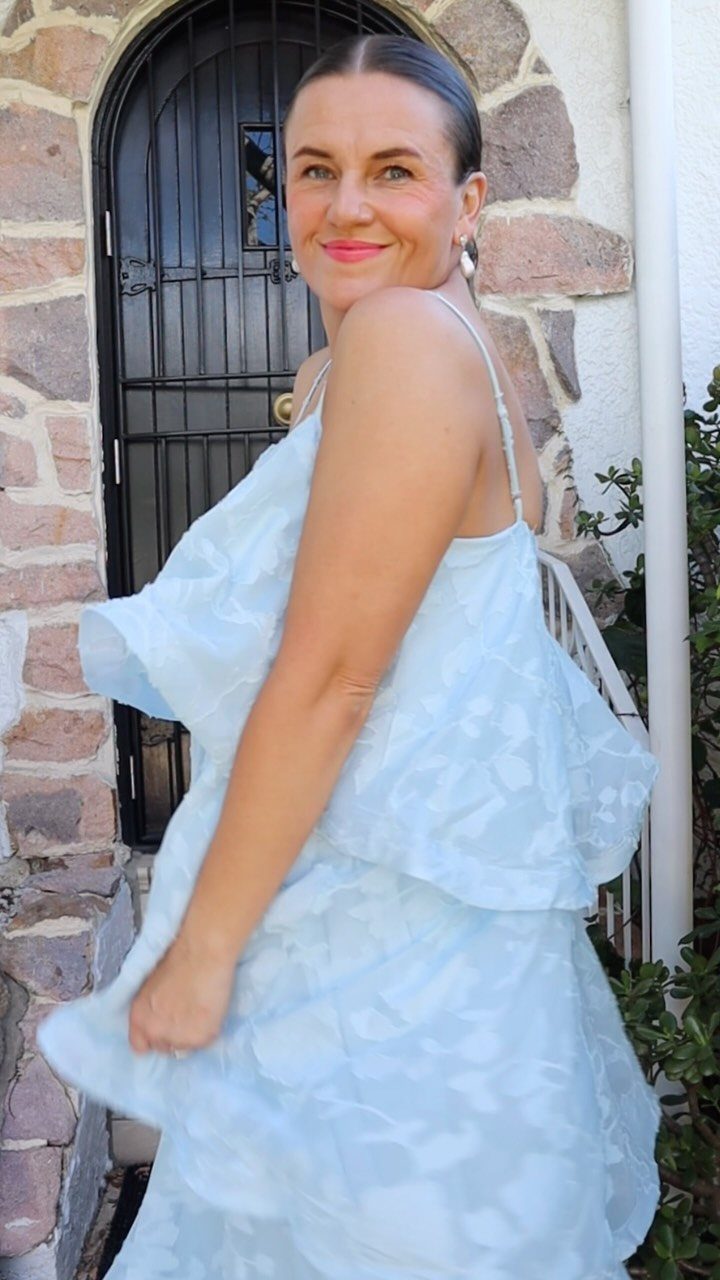
Few dresses adapt as easily as a cocktail dress in a soft textured fabric like this light blue sleeveless style. It works at the ceremony and carries into the party without a change.
Choose a hem that sits at or just above the knee, so you can sit, dance and climb stairs without tugging.
Sleeveless styles run cool in a packed room, so bring a thin wrap for the cooler outdoor moments. Pair it with block heels if the venue has grass or stone paths.
5. Two-Piece Sets
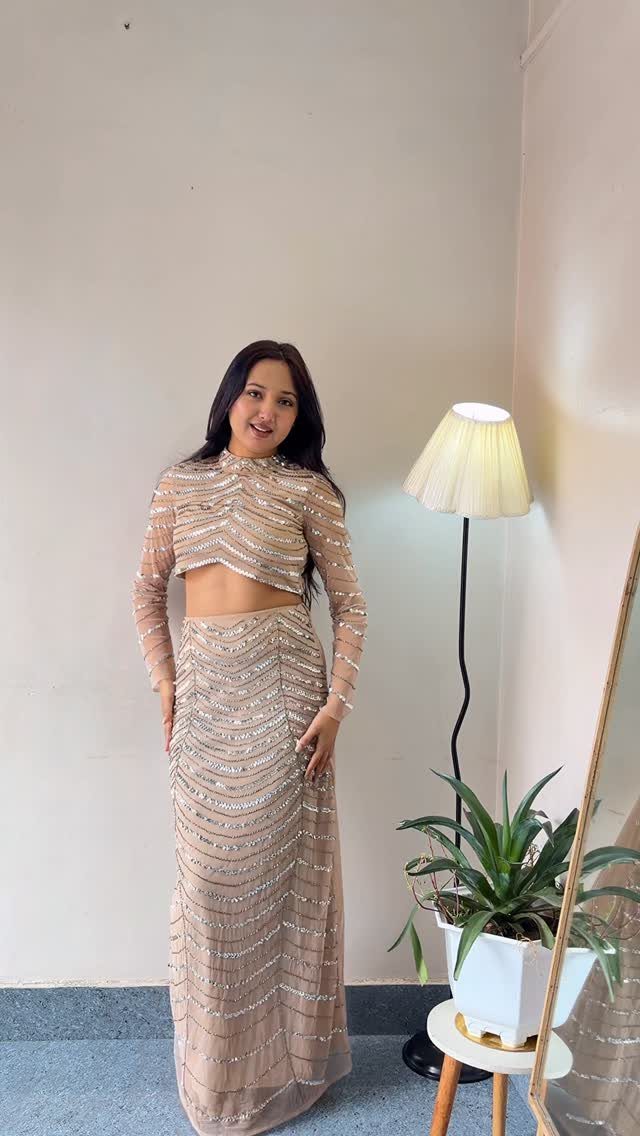
Separates give you a fit that one-piece dresses can’t. A cropped sequined top and a long skirt in champagne let you size each piece to your own proportions, which helps if your top and bottom halves differ.
The long skirt keeps coverage while the crop adds shape and movement. Make sure the skirt waistband sits comfortably, since you will be moving for hours.
Afterward, wear the skirt with a plain tee, or the top with jeans. That second life is the best argument for buying a set.
6. Feathers at Hems
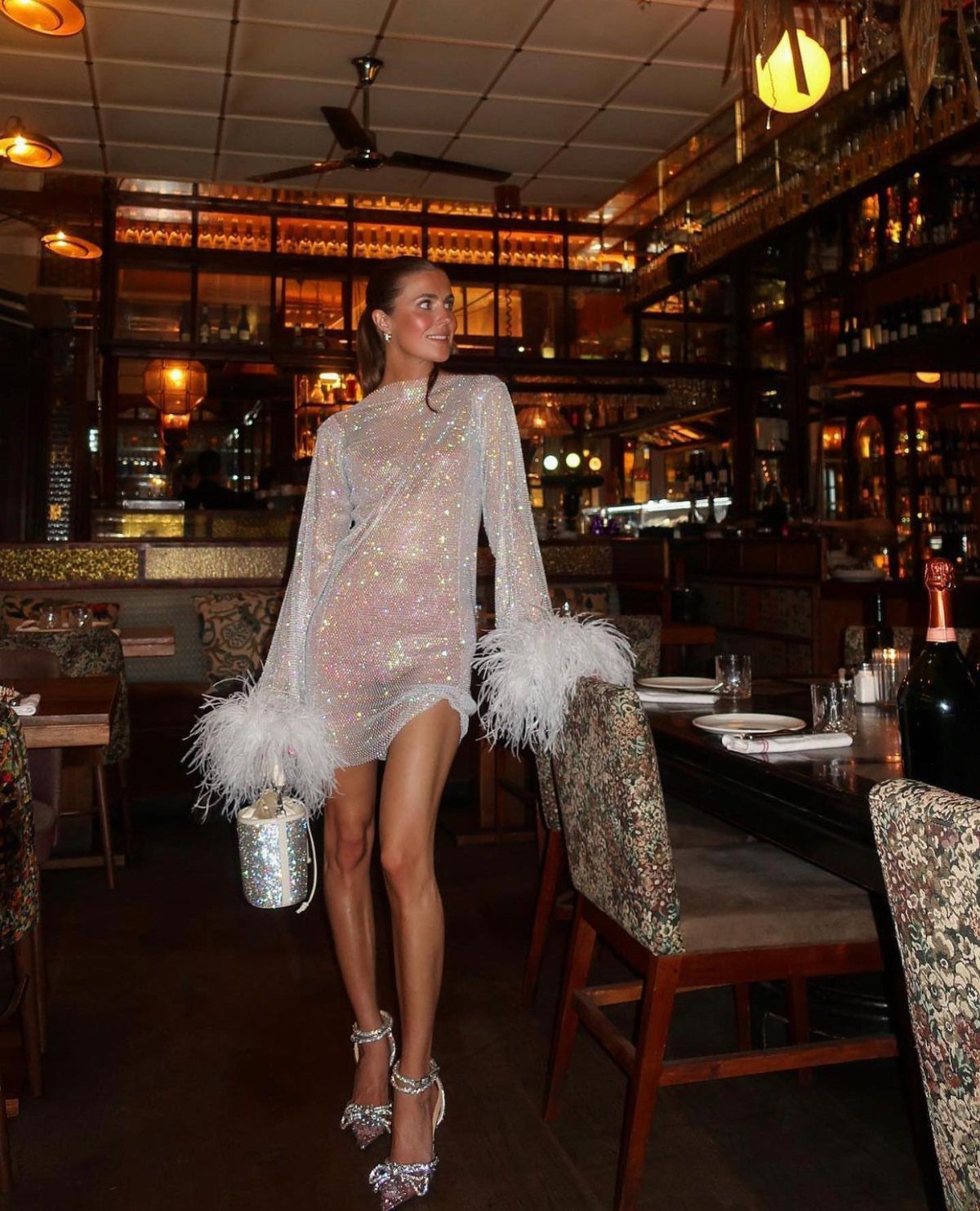
Feather trim at the cuffs and hem puts the movement at the edges, so a short silver sequined dress feels playful every time you turn or step. It suits a dim bar or restaurant venue well.
Keep everything else quiet: a simple silver bag, minimal jewelry, and sleek hair. The dress already has 2 textures competing, sequins and feathers.
Expect to handle it gently. Feathers shed and snag, so avoid tight hugs against rough fabric and keep it away from crowded coat racks.
7. Embellished Salwar Kameez or Kurta
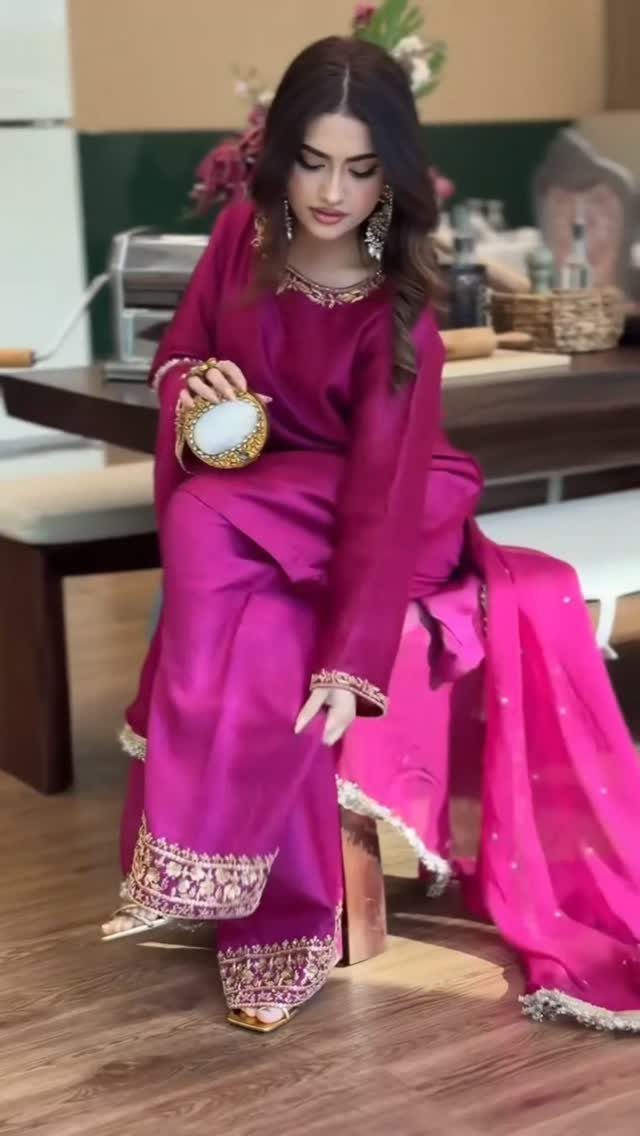
Magenta silk with gold embroidery at the hems already does the work of an evening dress, so a small gold clutch and traditional jewelry are all it needs. Keep the metals in one family so the embroidery stays the focus.
Silk drapes and moves well on a dance floor, and the long cut gives full coverage for a ceremony crowd. Check that the embroidery sits flat inside the hem, since scratchy stitching gets old after a few hours.
I would choose this over a gown if comfort matters most.
8. Embroidered Anarkali Gown
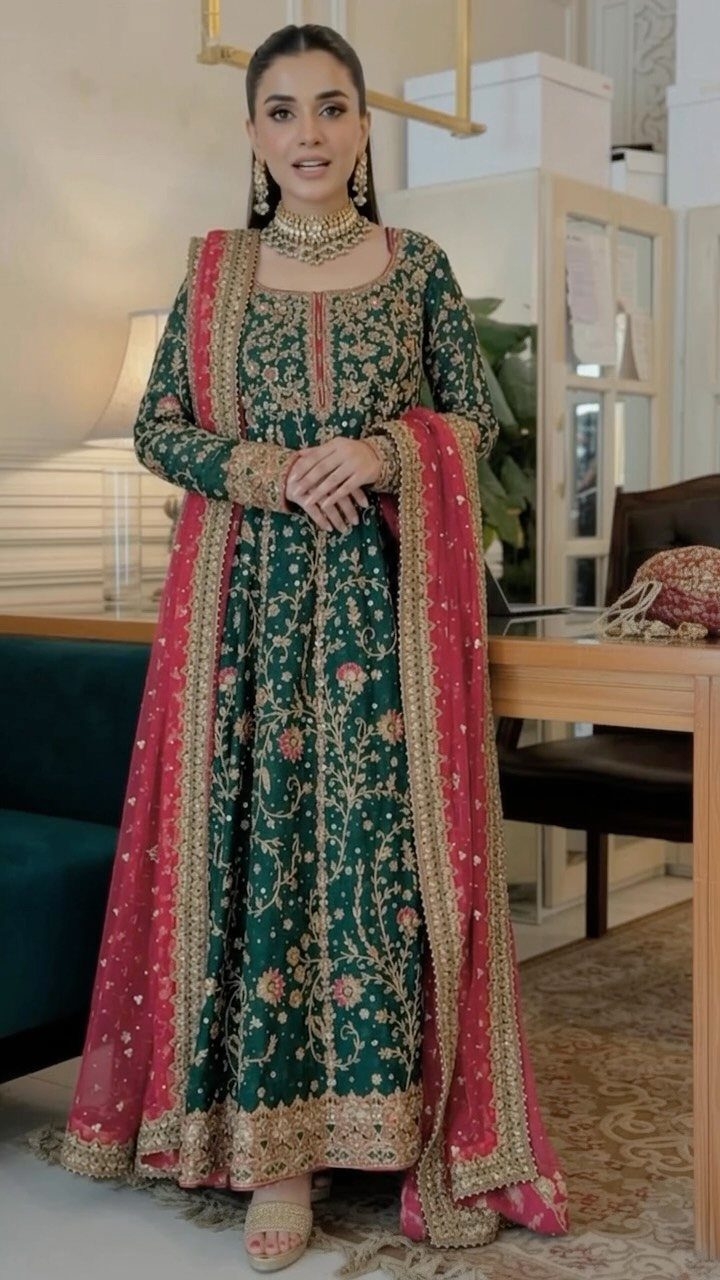
A dark green gown with a red dupatta proves that contrast can be formal. The embroidery supplies the detail, so the dupatta is where you choose how bold to go: drape it loosely over one shoulder or both arms.
Floor length means you should try it on with the exact shoes you will wear, and hold the skirt hem off the ground on stairs.
If a red dupatta feels like too much, a deeper neutral keeps the green in charge. The trade-off: a long, full skirt takes up room in a crowded space.
9. Cape-Overlay Beaded Gown
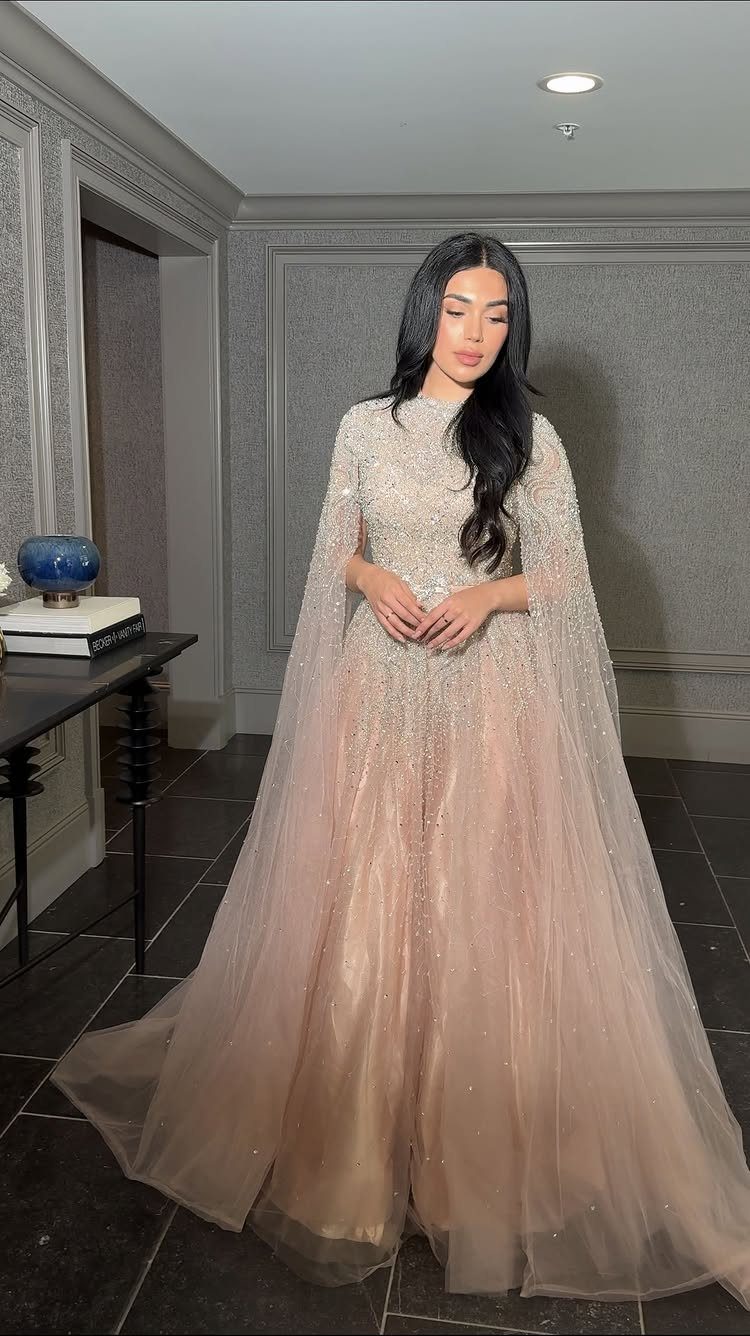
A sheer cape overlay gives a beaded gown sleeves without the weight of sleeves. In champagne, the shimmer reads soft rather than loud, and the cape covers your shoulders and upper arms for the ceremony.
For dancing, the cape is what to check: raise your arms in the fitting room and make sure it doesn’t pull at the neckline. Beading adds weight, so a lined bodice is worth looking for.
Skip statement earrings. The gown already has plenty happening, and simple studs will do.
10. Bold Color Dresses
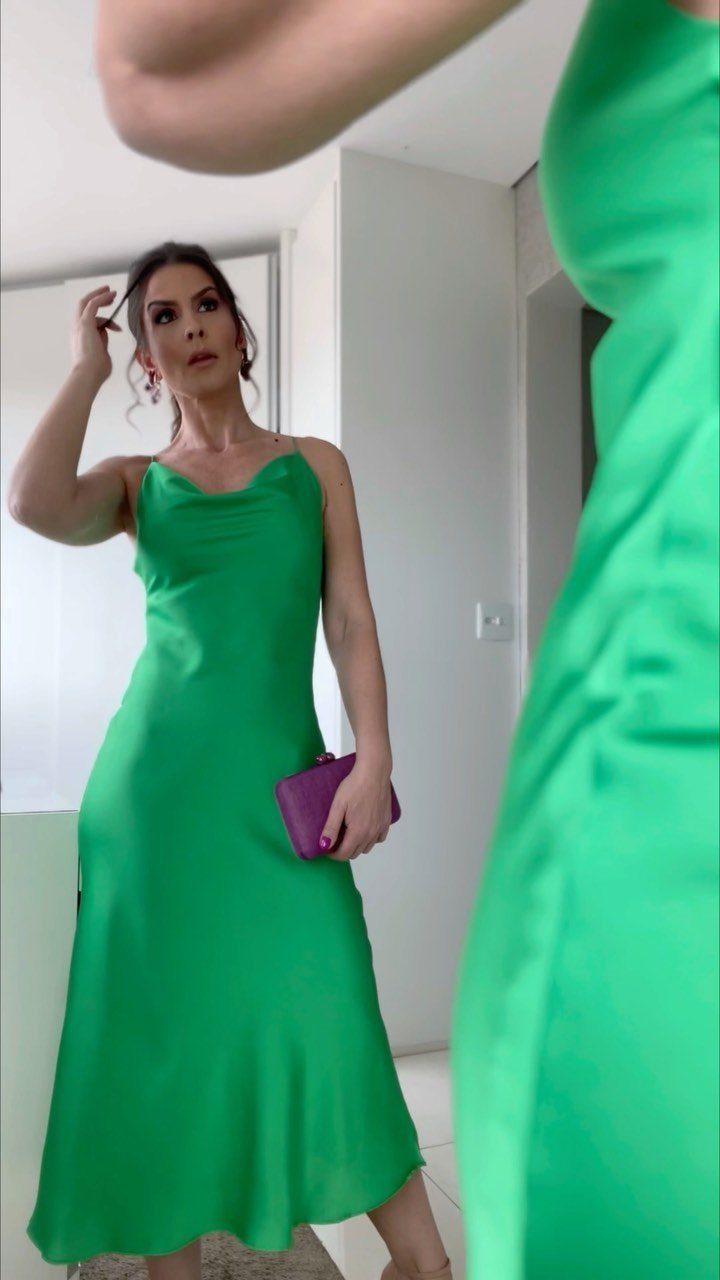
Bright green satin needs almost nothing added. A purple clutch is a bold pairing, and I like it because the 2 colors are far apart and still look deliberate.
Satin shows every bump, so choose a midi that hangs from the hips rather than clinging. Midi length also handles stairs and dancing better than a floor-length hem.
If 2 strong colors feel like too much, carry a neutral bag and let the dress speak alone. Gold jewelry in small pieces works with either choice.
Choosing the Right Venue
Formality and setting decide more than the dress itself. A black-tie ballroom and a beachfront party call for different fabrics and lengths, and weather belongs in that decision too.
A glitzy mini suits a rooftop.
A jumpsuit suits a garden. A big-city black-tie wedding calls for a sharp tuxedo dress or a beaded cocktail dress, since both match the formality of the room.
Echo the wedding’s theme even though the after-party is more relaxed. That way the change between the 2 looks reads as planned rather than disjointed.
Photography Considerations
After-parties get photographed heavily, so choose a detail that reads on camera. Sequins, feathers and bold prints all do.
The ceremony pictures cover the formal, romantic side of the day. After-party photos tend to be loose and lively, and a relaxed silhouette lets you dance, lean and laugh in candid shots in a way a structured ball gown won’t.
Read the room first, whether it’s a casual rooftop or a formal ballroom, then choose a shape and color that still feel like you. Trendy only works if it’s your style.
A sequin slip dress or a tailored matching set will keep earning its place long after the wedding weekend.
The after-party dress is another opportunity to showcase your personal style and embrace something less traditional. Consider it a subtle wink to guests that the celebrations are far from over.
— Vogue
Comfort Over Style
Before you commit, test the outfit the way you will use it. Move around, sit down and practice a few dance steps in the fitting room, then check that nothing shifts or rides up.
Some stretch or an easy cut helps a lot, and that goes double for a bride who has spent hours laced into a corseted bodice. Avoid anything too tight or restrictive.
Comfort wins over style here, since you will spend most of the night dancing. Plan on slipping off your heels at some point and keeping the party going.
Frequently Asked Questions
What do guests wear to a wedding after party?
Most guests wear a cocktail dress or a jumpsuit, since both move well and look dressed up.
Knee-length or a couple of inches above it is the range I trust for after parties, since it holds up through a night of sitting low on lounge couches, dancing and climbing stairs.
Match the formality of the venue: a beaded cocktail dress or tuxedo dress fits a black-tie ballroom, while a jumpsuit suits a garden.
What are some good outfits for women to wear to an after party?
A sequin dress, a slip dress, a wide-leg jumpsuit or a matching two-piece set all work. Sequins catch light on a dance floor, and a satin slip dress needs almost no accessories.
On a windy rooftop, a jumpsuit is the safer pick over a sparkly mini, because there’s no skirt to fight with and stairs stop being a worry.