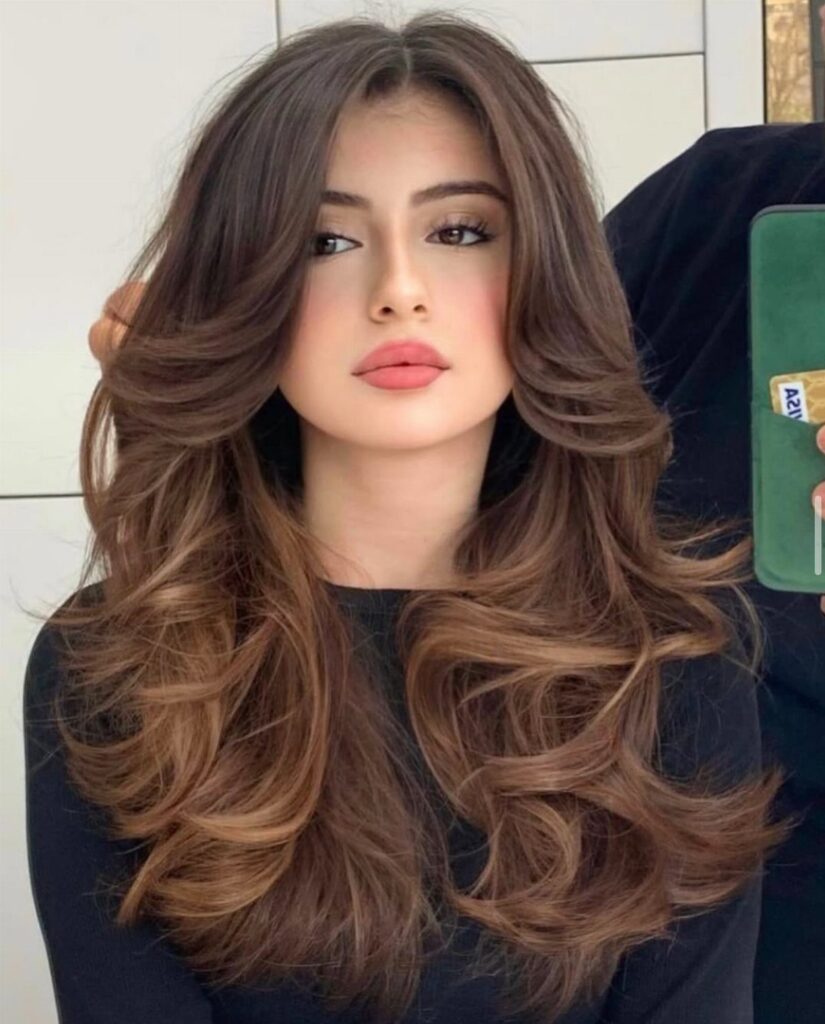
How much length you’re willing to lose decides which of these wavy styles is yours.
The list runs from a textured pixie that leaves the nape and ears exposed to long cascading layers for anyone who refuses to cut, with lobs, a wolf cut and a chin-level bob in between.
Fine hair gets the most from the wavy bob, while thin hair needs fewer layers in the layered lob, so your hair’s thickness narrows the choice further.
A pea-sized drop of serum on damp hair is the only product step the easiest styles need.
1. Center-Parted Lob
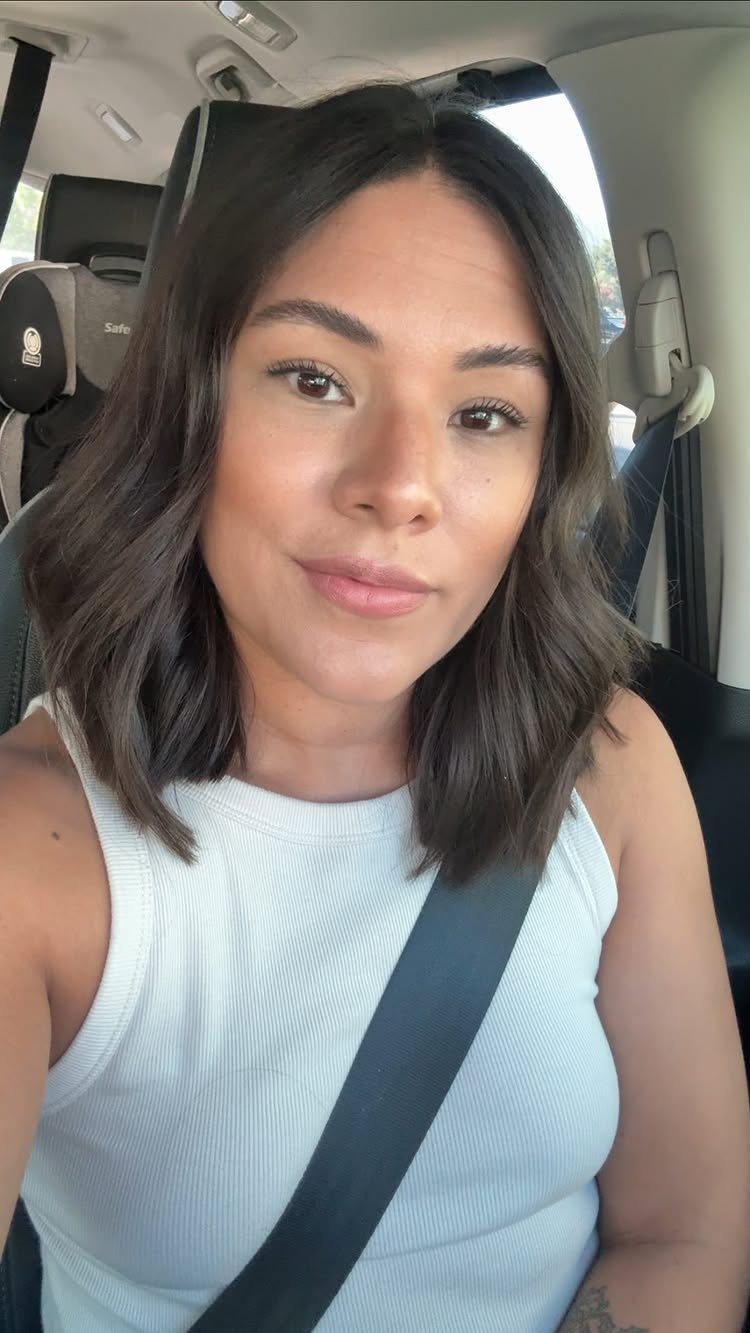
A center part gives a wavy lob a clean, balanced line, and that symmetry is why it works so well on oval faces. Nothing needs to be hidden or built up, so the waves do the work.
Part the hair in the middle while it’s damp, then let it dry with as little handling as you can manage. A wavy lob like this one looks best when the ends sit slightly flipped rather than combed straight.
I’d pick this over a side part if your face is oval and you want a low-effort cut.
2. Textured Pixie
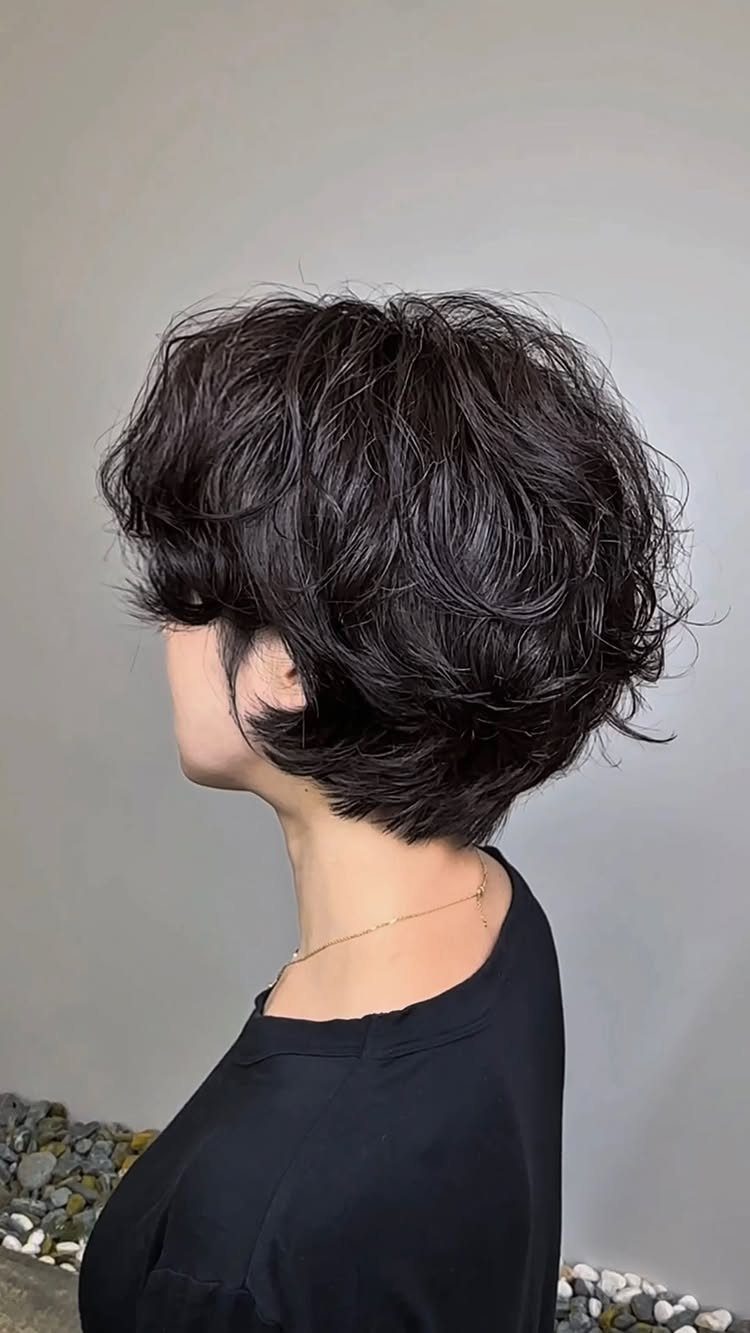
Short hair with waves built into it is a commitment, and a textured pixie is the boldest version I can think of. The cut leaves the nape and ears exposed, so a necklace or earrings suddenly matter more.
Ask for length left on top so the waves have room to show instead of lying flat. A bit of styling product worked through with your fingers keeps the pieces separated.
Growing a pixie out takes patience, and that is the cost of the cut. Still, if you want a change that looks deliberate, this one does.
3. Lob with Curtain Bangs
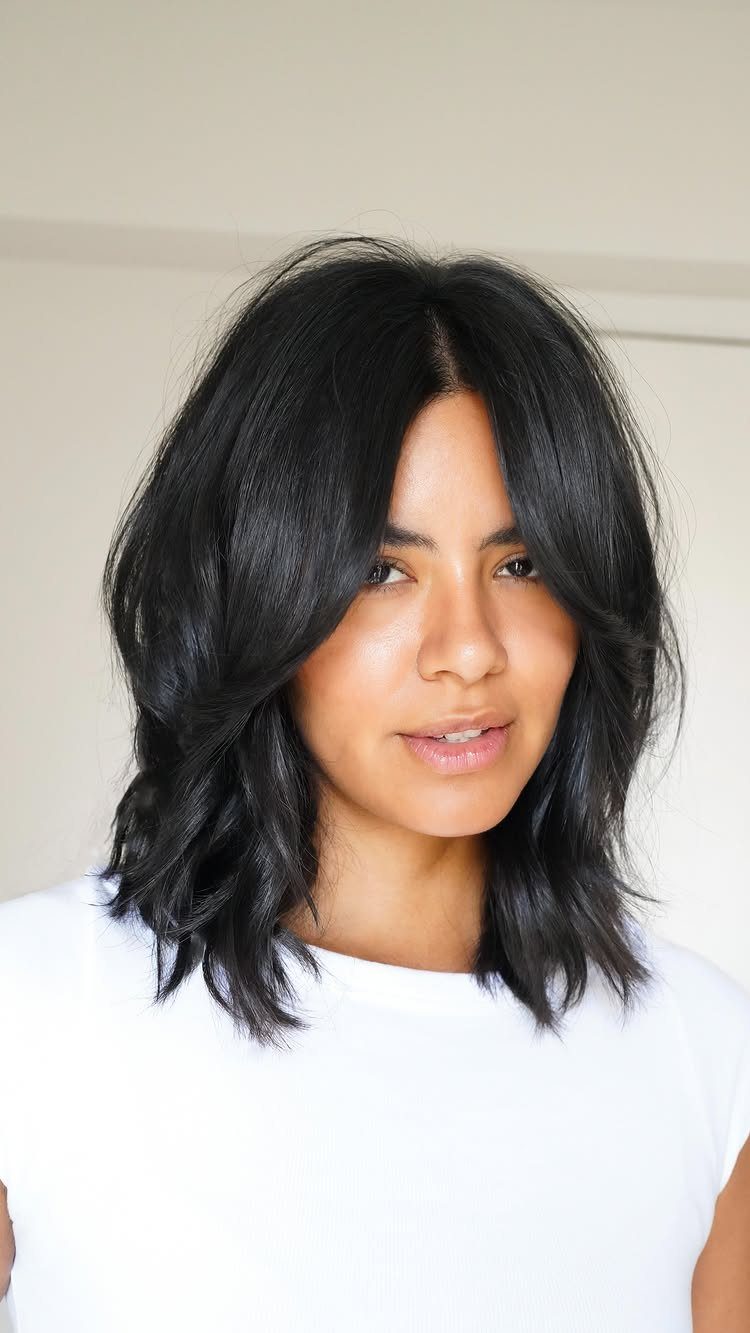
A lob keeps its length with curtain bangs, and they freshen it up faster than any other change I know.
They part in the center and sweep to each side, which lets the waves frame the face instead of fighting a blunt fringe.
On wavy hair, ask for the bangs to be cut a little longer than you want, since waves spring up as they dry. Style them with a round brush or just your fingers.
Expect trims to keep them off your eyes, and that upkeep is the cost.
4. Shoulder-Length Shag with Curtain Bangs
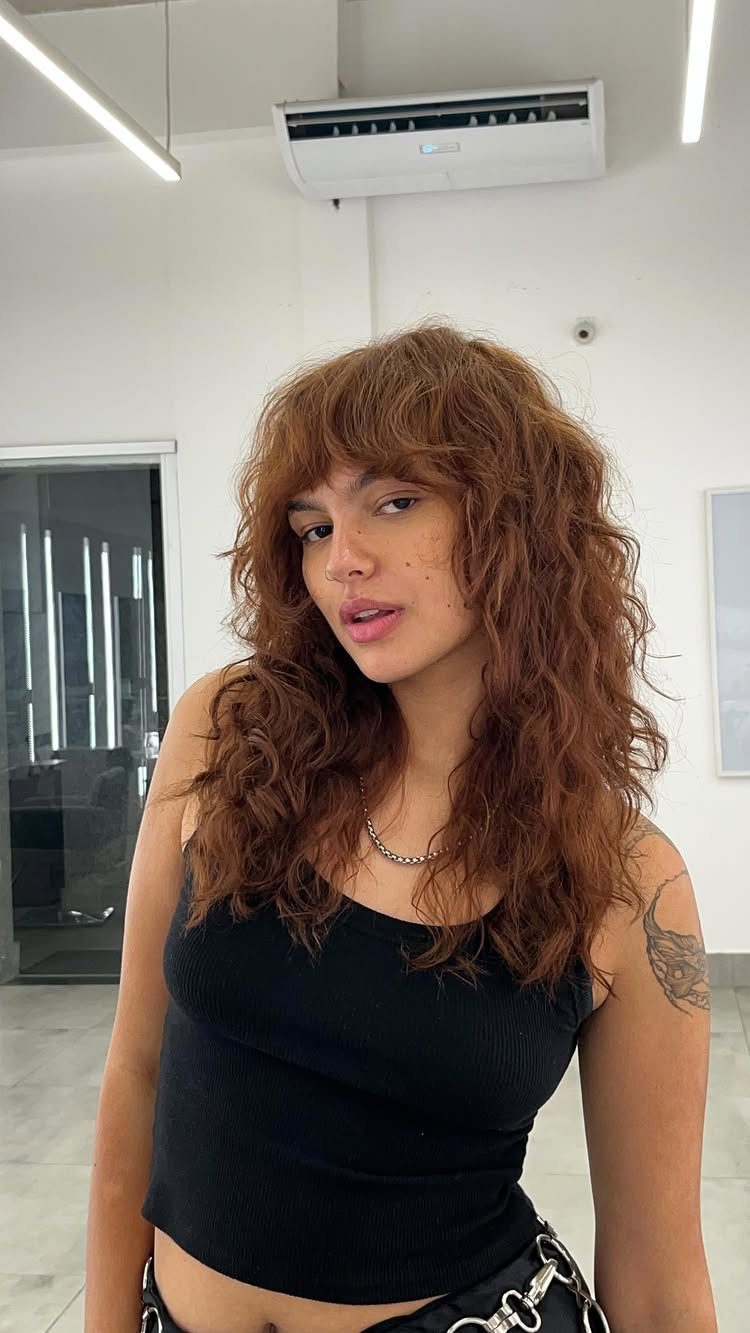
Layers are what give a shoulder-length shag its movement. Cut short through the crown and longer toward the ends, the hair has room to bend, and waves fall into place almost on their own.
Pair that with curtain bangs and the face gets a soft frame. Scrunch in a light product while the hair is damp, then leave it alone as it dries.
Wavy hair that is flat or heavy tends to look best with this cut, since the layers remove weight where it hangs.
5. Side Part with Waves
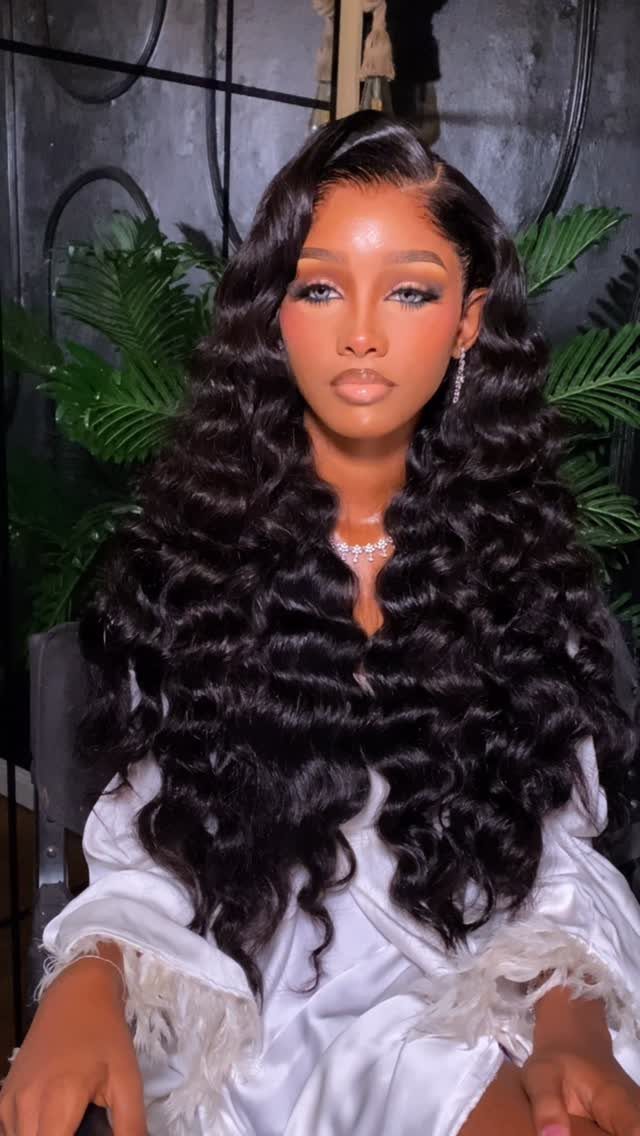
Anyone with waves and a closet full of unfussy outfits should try a side part. A side part flatters every face shape, so it is the safest pick here, and it lifts the roots right away.
Find your part by pushing the hair forward, then sweep it across.
Deep parts look dramatic; shallow ones are softer. Long waves hold this style well because the weight of the length keeps the pattern smooth.
If a center part feels too severe, this is where I’d start.
6. Beachy Waves
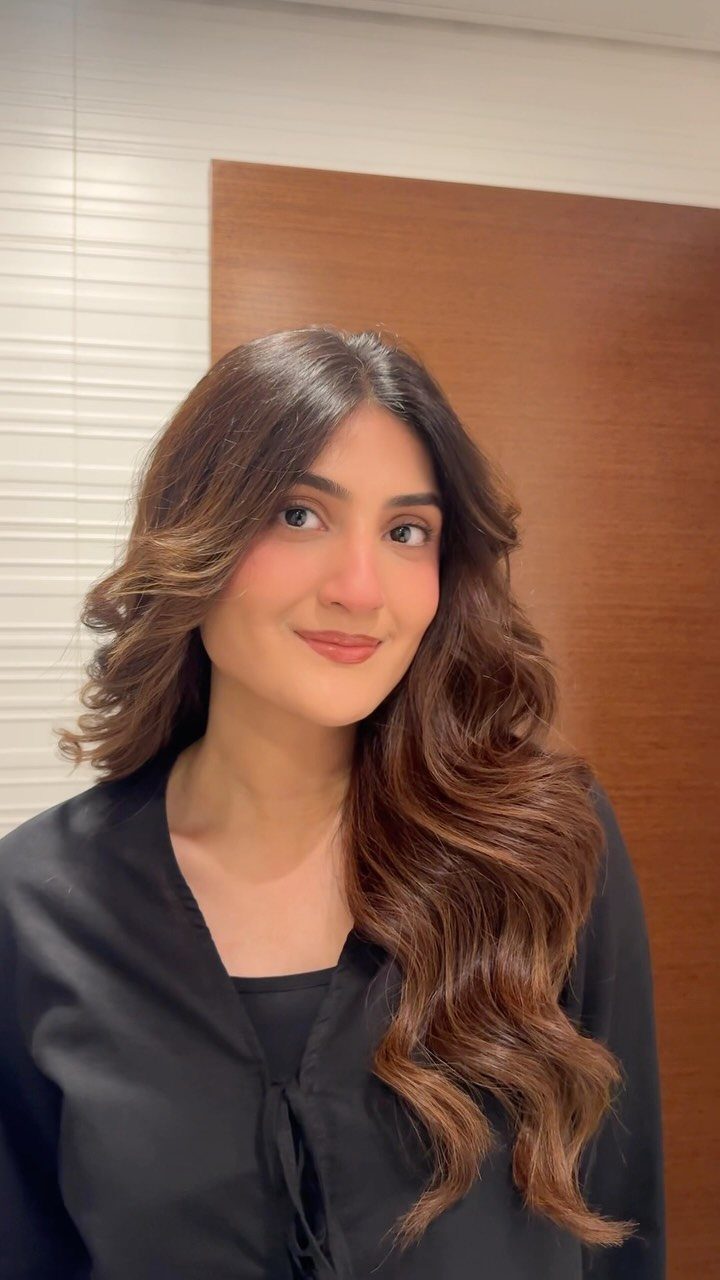
Long, loose, center-parted waves are what people usually mean by beachy: relaxed, a little tousled, and never too polished. A clean part keeps the style neat enough for the office.
Work a texturizing product through damp hair and let it air-dry, or rough-dry it with your fingers. Skip the brush once the waves form, because brushing turns them into frizz.
Natural waves do this best. If yours are quite flat, add a loose bend with a curling iron, then leave it undone.
7. Half-Up, Half-Down Waves
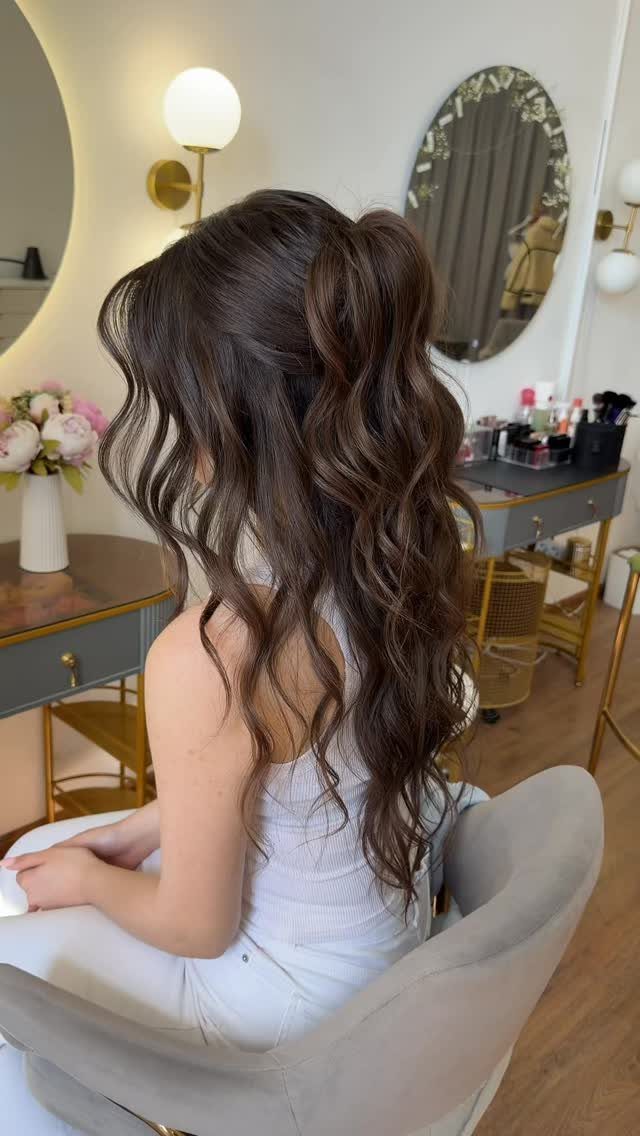
Pulling just the top section back keeps long waves off your face while the length stays loose, which makes this one of the easiest everyday styles on the list.
Gather the hair from temple to temple, then secure it at the crown or back of the head.
Pull a few strands loose near the face so the style looks relaxed rather than strict. Wavy hair holds a clip or tie well, since the texture grips on its own.
I’d pick this for days when you want the hair out of the way without giving up the waves.
8. Wolf Cut
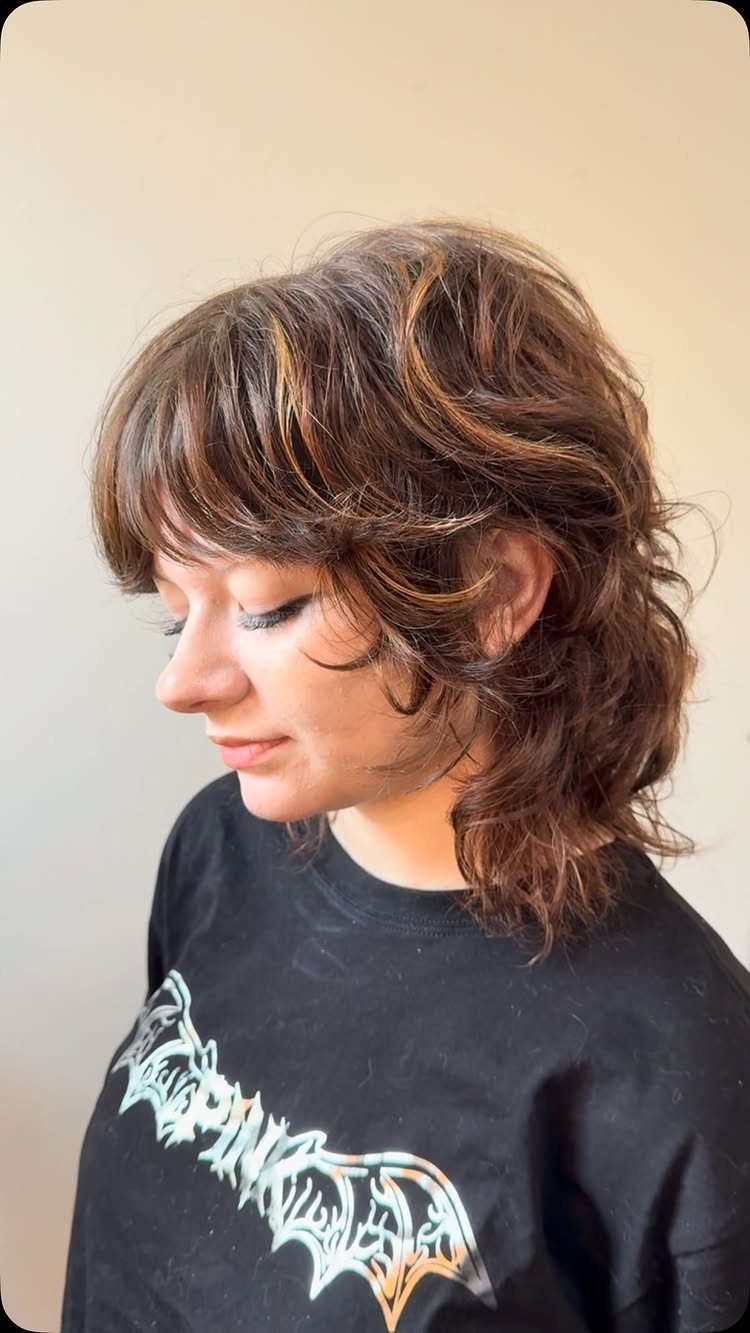
Short, choppy layers on top and longer, wispy lengths underneath define a wolf cut, and waves give those layers a lot of shape to work with. Bangs are part of the look, so expect the cut to frame the face.
Ask your stylist for plenty of layering and tell them your hair is wavy, so they cut with the pattern in mind.
Trendy cuts date quickly, but this one adapts to your waves, so it stays easy to wear.
Basically, to make your waves look their best, you’ll need a cut that caters to your wavy pattern, texture, and shape. 9 out of 10 times, that means a cut with some type of layering going on.
9. Bouncy Undone Waves
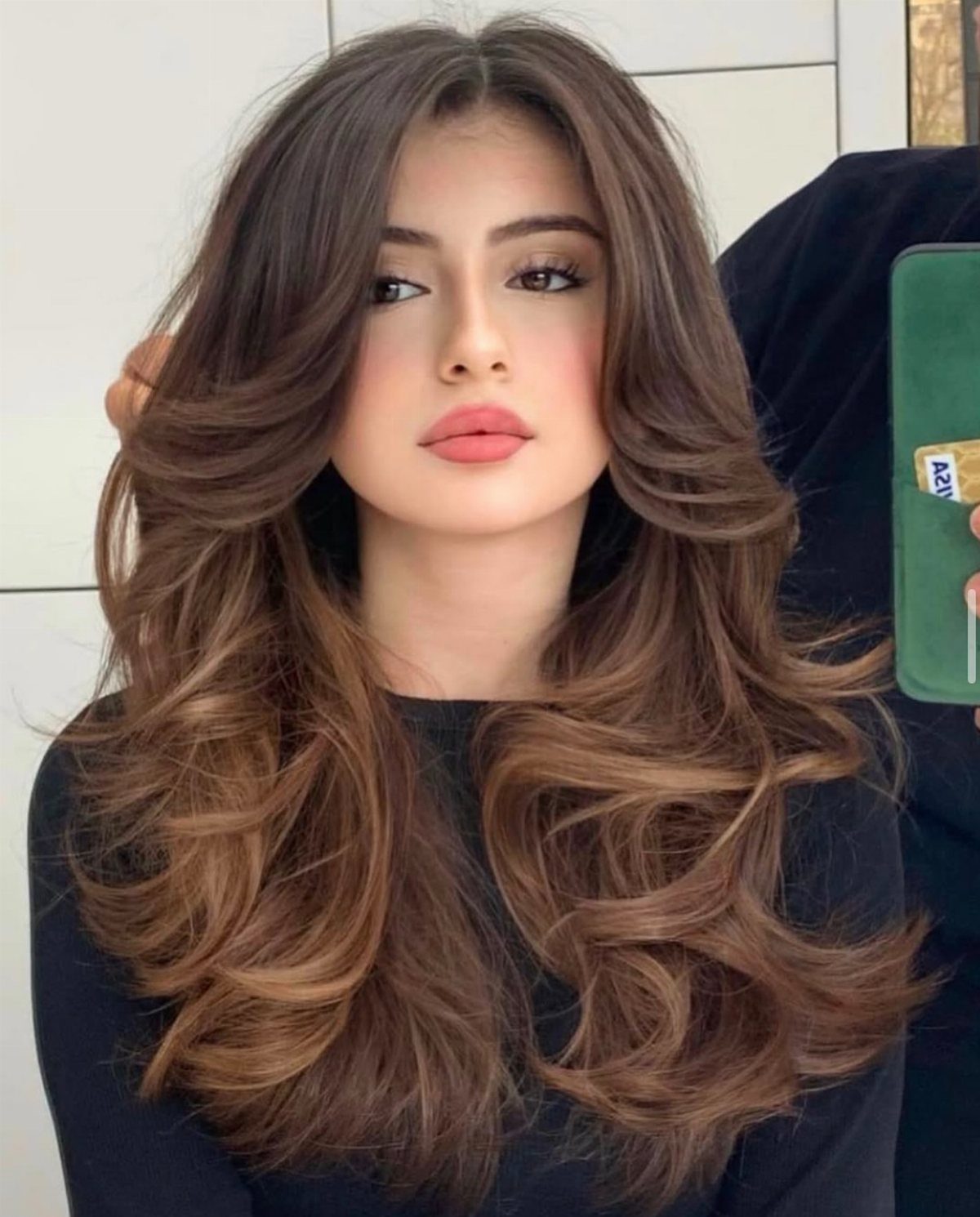
Big, full waves with a center part ask for volume at the roots and bounce through the length. Long hair suits this best, because the weight lets each wave fall into a loose, springy curl.
Rough-dry the roots with your fingers, lifting as you go, then shape the length with a curling iron if your waves are weak. Brushing flattens the bounce, so skip it once the shape sets.
The cost is upkeep: volume this big wants a little work each morning.
10. Layered Lob
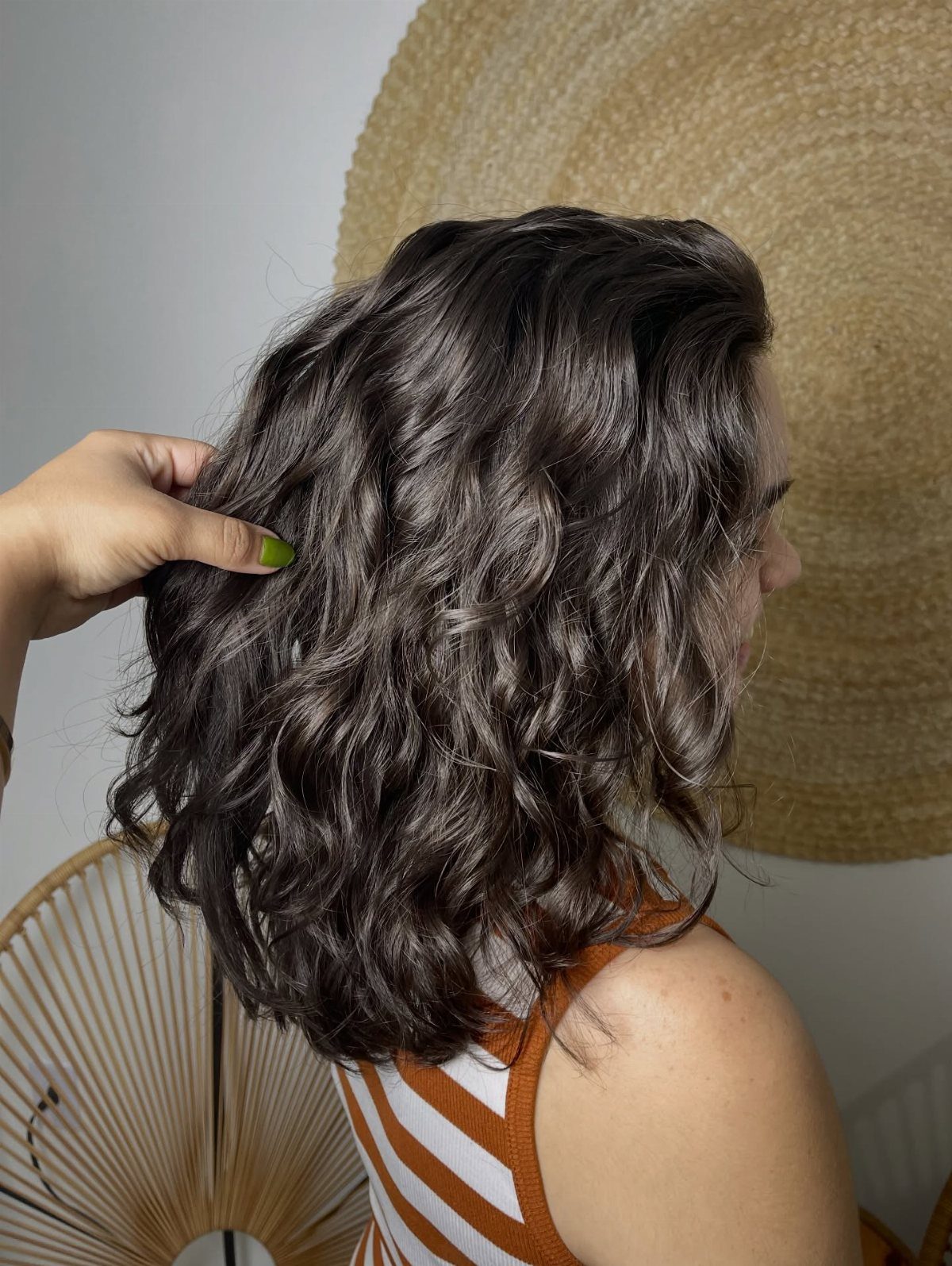
Layers are what make a wavy lob look intentional, since they let each wave sit in its own spot instead of stacking into a triangle. Shoulder-length hair is a forgiving length for this.
Ask for layers that follow your natural pattern, and style with a light product on damp hair. Let it air-dry, then shape single pieces with your fingers.
If your hair is thin, ask for fewer layers, because too many can make the ends look sparse.
11. Cascading Layers
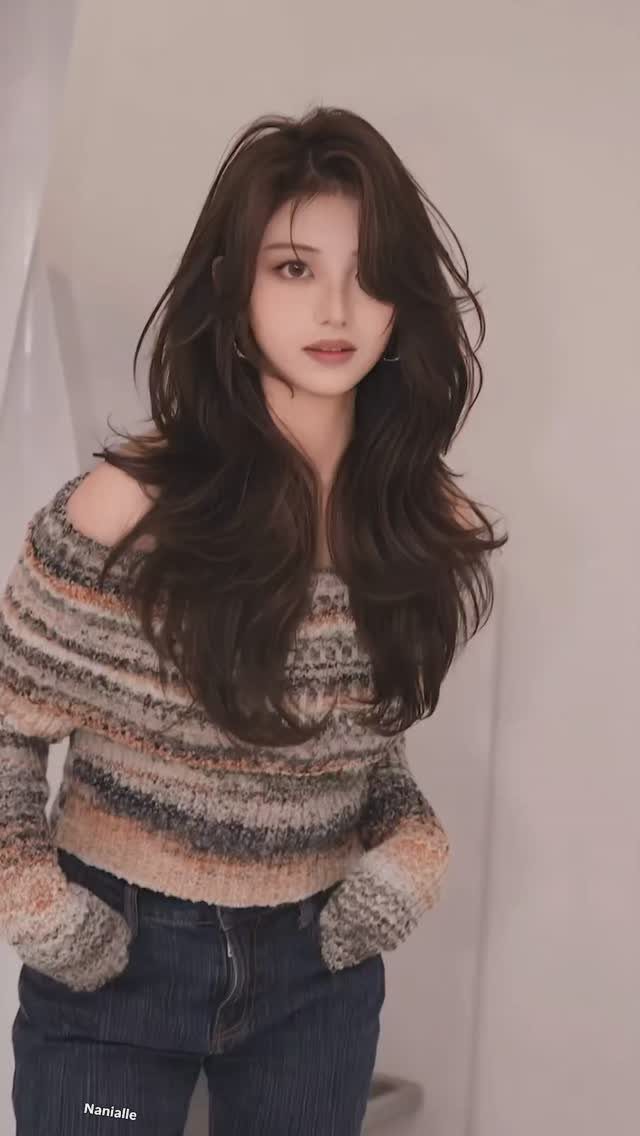
Long layers that step down gradually give wavy hair a soft, flowing shape, with the waves sliding past one another like a slow cascade. Keeping the length is the draw here, and the layers stop it from hanging heavy.
Ask for layers that begin around the face and lengthen toward the back. Work a small amount of product into damp hair with your hands, then skip the blow dryer and let the waves set on their own.
This is the option I’d recommend if you refuse to cut your length but want more movement.
12. Wavy Bob

A bob cut to chin level lets natural volume stand out, because short waves spring up instead of being weighed down.
The shape looks full and a little playful, and it gives a pair of earrings you actually want noticed plenty of room.
Cut it slightly longer than you plan to wear it, since waves shorten as they dry. Diffuse on low heat or air-dry, and use a light cream to keep frizz down.
Fine hair gets the most from this cut; very thick hair may need thinning to avoid a bulky shape.
Low-Maintenance Styling Tips
Wavy hair already has body, so the easiest styles work with that texture instead of fighting it. Pick a cut and finish that suit your natural pattern, and you can skip most of the daily effort.
Serum goes on damp hair, and a pea-sized drop is plenty: it defines the wave and adds grip without the heavy, greasy feel.
Scrunching a bit of curl cream or light gel into damp hair before you leave it to dry gives a wash-and-go style a finished look.
Heavy layers of product are where low-maintenance styling goes wrong, because waves collapse under them. Start with less than you think you need and add only where the hair looks flat.
Hair Care for Wavy Hair
Waves look best on healthy hair, so the routine matters more than any styling trick.
Daily shampooing strips the moisture that keeps waves smooth.
Air dry whenever you can. Heat is the fastest way to dull a wave pattern, so save it for when you need it.
A large-barrel curling iron brings back waves that have gone limp since your last wash. Use it on dry hair, and only on the pieces that need it.
Styling Tools Recommendations
A curling wand gives the most pronounced waves. Switch the direction you wrap each section so the curls don’t line up, and skip the last few inches if you want that relaxed, slept-in finish.
A flat iron works for waves too, and I like ceramic plates for their even heat and lower risk of damage.
Turn your wrist slightly as the iron slides down the section, and that small rotation puts the bend into the wave.
Apply heat protectant every time, before any hot tool touches your hair.
Choose a detangling brush with flexible bristles, since the wrong brush can cause breakage. Start at the tips and work upward.
For a wolf cut or any tousled style, skip the tools: a wide-tooth comb or your fingers, plus a texturizing spray or mousse, will do.
Tip your head upside down and scrunch at the roots, which lifts the crown and gives you more volume.
Frequently Asked Questions
What is a butterfly haircut?
A butterfly cut stacks short face-framing layers over longer ones through the back, so the hair keeps its length but moves like two haircuts in one, and a loose wave or blowout shows off the shape best.
On wavy hair the layers matter most, because they stop long length from hanging heavy and let the waves move past one another.
Is my hair wavy or just frizzy?
Wavy hair has a defined bend or S-shaped pattern, while frizzy hair has puffed-up strands with no clear structure.
Frizz often shows up when waves get brushed dry or buried under too much product. Try air-drying a section after adding a small amount of light product and skipping the brush: if a pattern forms, your hair is wavy.
Is short hair in for 2026?
Yes, short cuts like bobs and pixies are popular right now.
Both work well with natural waves: a chin-length bob lets the waves spring up with full, playful volume, and a textured pixie with length left on top gives the waves room to show.
Trends shift fast, so I’d choose a short cut because it suits your wave pattern, not just because it’s current.